AC dust sneezing week: filters, fans, and not ignoring the tickle
Sam Okada on AC dust and sneezing in Ocean City condos—why turnover week triggers allergies indoors, and how checking filters and fans beats suffering through the whole rental.

I’m Sam Okada. Meteorology grad student, Plan B enthusiast, Seattle brain living part-time in Mid-Atlantic humidity. I refresh forecasts for fun and notice HVAC for survival—because Ocean City condo weeks can sneeze you out of sleep even when the beach forecast is perfect.
The pattern has a name in our group chat: AC dust week. Turnover season, dry filters, first cold blast of the season—or first blast after months idle—and suddenly everyone is sniffing indoors while the postcard sky stays blue.
The habit: do not ignore the tickle. Check filters, run fans wisely, ask the property manager early, and treat indoor air as lodging infrastructure—not a character flaw you suffer quietly.
Start with HVAC for local service context. Come back here for the first-night checklist that saves midweek misery.
Mid-week is when condo AC dust gets real
Arrival Saturday. Skies clean. Heat index manageable. Unpacking optimism high. We clicked the thermostat down—classic condo ritual—and within an hour my partner was sneezing in bursts that had nothing to do with pollen outside.
I assumed adjustment. Then my eyes itched. Then the kid sounded congested at bedtime though we had not been at the beach long enough for sun exhaustion to explain it.
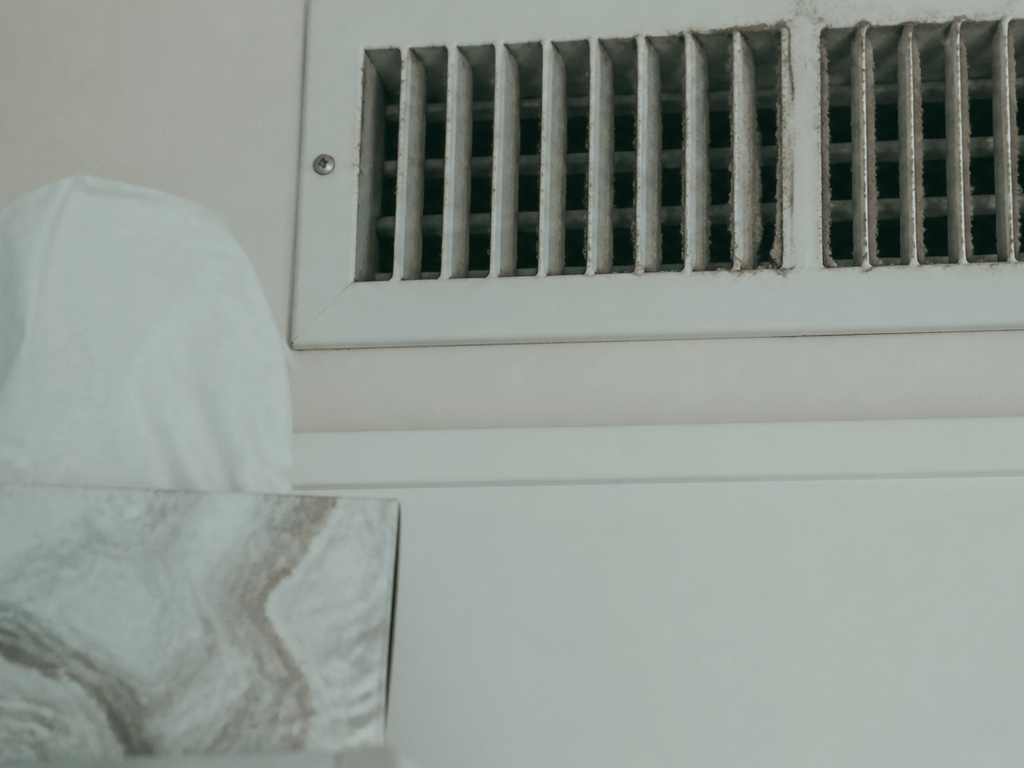
I walked to the return vent. Dust rim. The kind that says this unit has stories and none of them involve a recent filter change.
We were not sick. We were breathing turnover dust blown through a system that had been waiting for peak season like we had. Outdoor air was fine. Indoor air was the problem—and we were about to sleep eight hours in it if we did not speak up.
We messaged the property manager with a photo—not accusatory, factual. They swapped the filter next morning. We ran the bathroom fan during cooking, kept windows closed during midday humidity, and placed a portable fan to mix air without blasting dust from a neglected vent.
Sneezing dropped. Sleep returned. Beach days stayed beach days instead of “maybe we are all getting sick” days.
A day built around condo AC dust
High turnover windows. June and July swap dozens of families through the same units. Dust, sand, and pet hair accumulate in systems between deep cleans.
Individual HVAC units. Unlike central hotel systems, many rentals are split units with filters nobody thinks about until someone complains.
First-run-of-season effect. The first heavy cooling day stirs settled dust in ducts and returns.
Beach gear drying indoors. Wet towels and suits raise humidity; mold-sensitive guests notice fast.
Guest silence. People assume sneezing is allergies “from the ocean” and do not connect it to the vent above the bed.
You are not being dramatic when you ask about filters. You are doing basic lodging QA.
When condo AC dust stopped being optional
Before day one beach:
- Look at return vents and wall units. Visible dust equals a conversation, not suffering.
- Photograph and message early. Property managers respond faster to images than to vague “AC feels weird.”
- Ask if filter replacement is scheduled. Some hosts appreciate the heads-up; some have maintenance on speed dial.
- Run kitchen and bath fans when cooking or showering. Humidity management helps comfort even when filters are fine.
- Keep a portable fan for air mixing if you are sensitive—not as fix-all, but as relief while waiting on maintenance.
- Know HVAC contacts if smell is burnt or cooling fails entirely—that is escalate-now territory.
If symptoms feel like illness—not irritation—use medical resources. This post is about environmental sneeze weeks, not diagnosing flu.
The condo AC dust scramble we learned from
Peak turnover Saturdays. Everyone arrives same day; systems run hard first night.
Sand in returns. Beach weeks load filters faster. A one-week stay can still matter if you are reactive.
Humidity swings. Opening windows for “fresh air” sometimes imports pollen and moisture. Balance matters.
Shoulder season idle units. April and late September first runs can be dustier than July mid-season units.
Condo AC dust on a busy Saturday
- Burnt smell or weak cooling. Stop running the unit; call maintenance.
- Visible mold. Not a filter tweak—document and escalate.
- Assuming sneezing is outdoor pollen only. Check indoor first if symptoms start at thermostat down.
- Ignoring the tickle because you do not want to bother the host. You paid for sleepable air.
If your crew never sneezes indoors on vacation, beautiful. Share your luck. Most peak-week renters I know have at least one AC dust story.
How we think about condo AC dust
- Return vents inspected on arrival
- Property manager message template ready with photos
- Bath and kitchen fans used during humidity spikes
- Portable fan packed if allergy-sensitive
- HVAC map for real failures, not dust alone
Keep this rule for condo AC dust
Filters, fans, and speaking up early beat a week of indoor sneezing while the beach stays perfect. AC dust week is common enough to plan for—not rare enough to ignore the tickle.
Next step: on check-in, look at the nearest return vent before you unpack beach chairs. If it tells a story, send the photo. Then sleep like the outdoor forecast actually belongs to you.
Also on OCEANCITY.MD: HVAC · Sam Okada · Beach Blog


