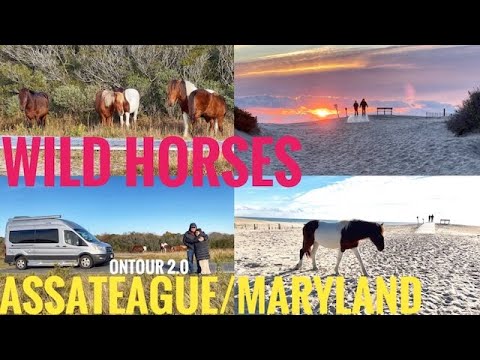
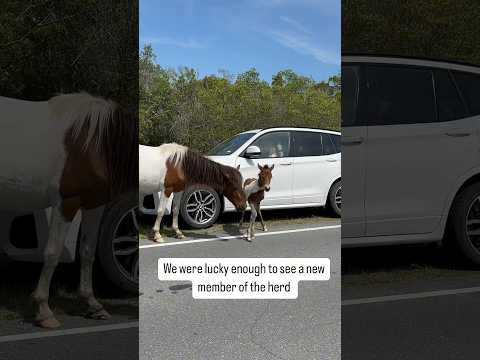
Habitats & ecosystems of Ocean City & Assateague
Field-guide profiles for barrier-island habitats behind every species card: ocean beach, dunes, salt marsh, coastal bays, the Inlet, nearshore Atlantic, maritime forest, and tidal flats. Each opens local viewing notes, ecology, and links to where to see wildlife around Maryland’s coast. This hub is for habitat reading and responsible watching, not fishing trip planning.
Where, when & etiquette
Where to look
Match the habitat to a walkable or overlook-friendly edge first—ocean beach and primary dunes for wrack and shorebirds, salt marsh and tidal flats from causeway and Assateague bayside trails, coastal bays from bridge overlooks and harbor walks, the Inlet from public jetty and harbor edges (never in active channels). Maritime forest is an Assateague story more than a Boardwalk one. Use where to see wildlife when you want place cards before habitat science.
When odds improve
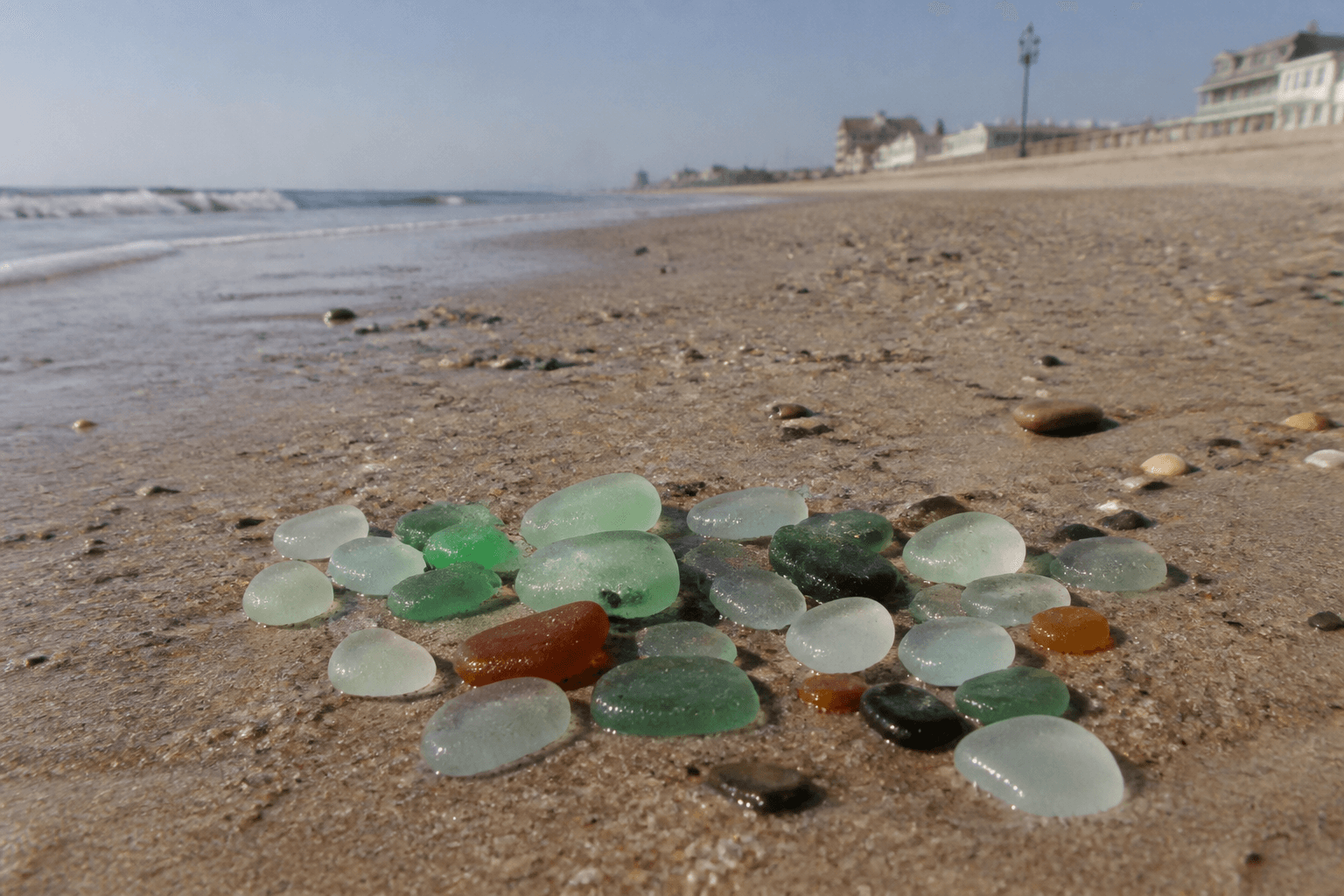
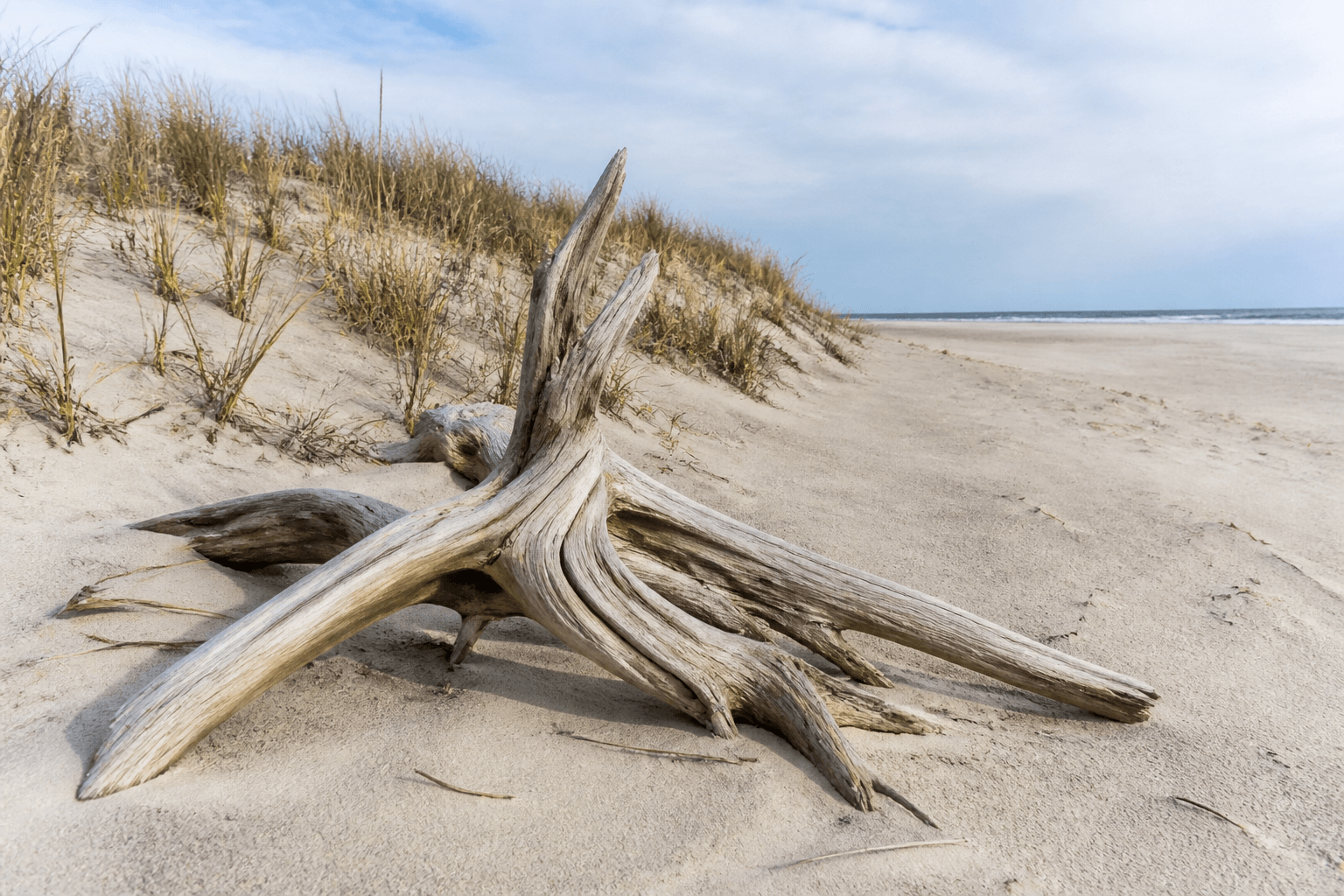
Dawn and low-tide windows beat noon towel fields for beach and flats life. Migration pulses in spring and fall pack shorebirds and songbirds; summer mosquitoes and boat wake punish calm marsh evenings. Storm wrack after northeast systems is a shell and drift classroom—pair with tide tables so flats and jetty footing are not a guess.
Viewing etiquette
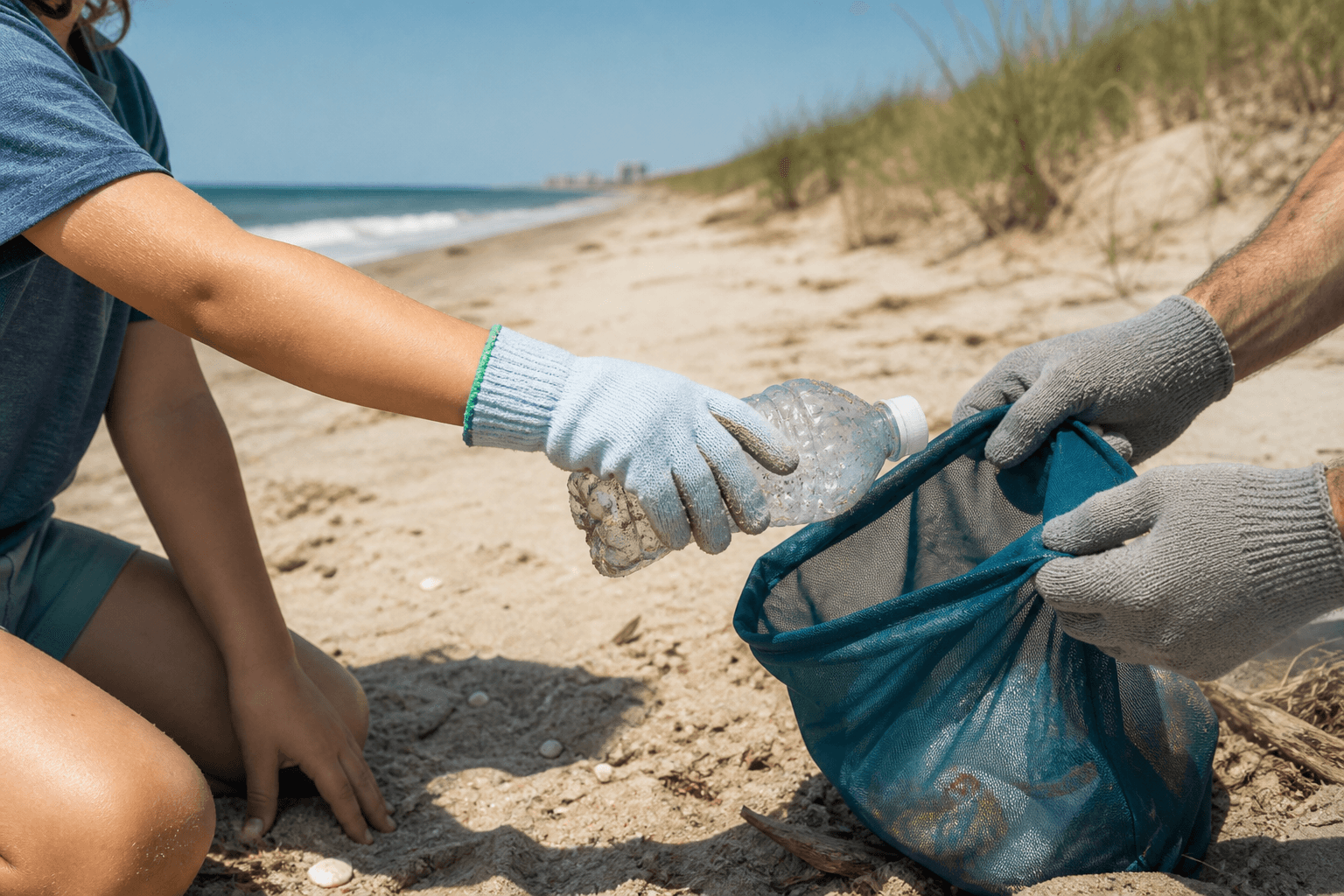
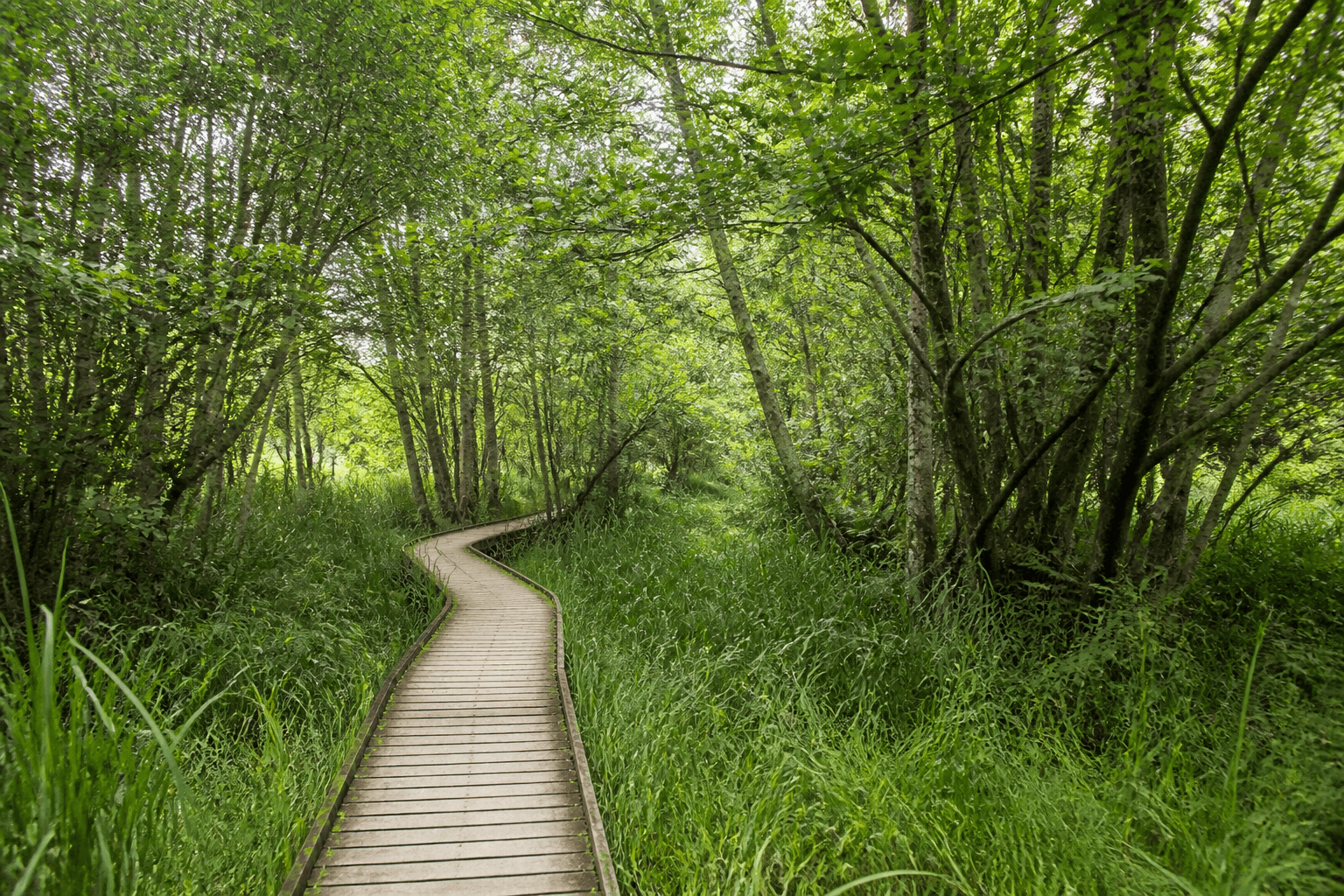
Stay on boardwalks and marked crossings through dunes; keep distance from nesting fences, ponies, and hauled-out seals; never chase wildlife with personal watercraft. Leave live animals in the swash and pack out line and plastic. Angling regs and charter booking live on the fishing hub—keep this page for habitat context and watching, not catch advice.
8 starter habitats curated for visitors—not a full watershed inventory. Likelihood stars rate how easy a typical visitor can reach and recognize the habitat around OC / Assateague MD (1 rare · 5 common). Pair with species directories for what lives in each zone.
No habitats match these filters.
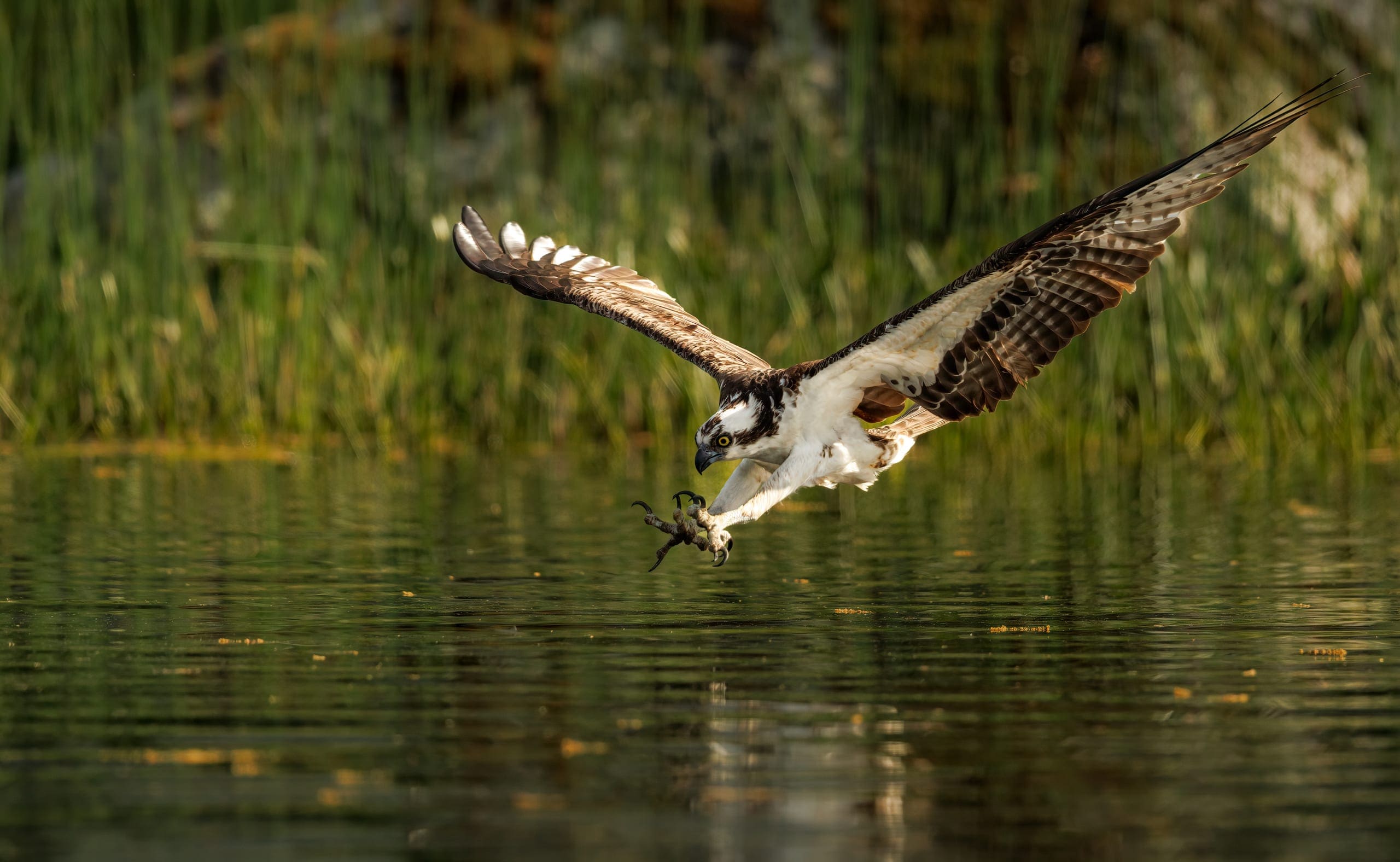
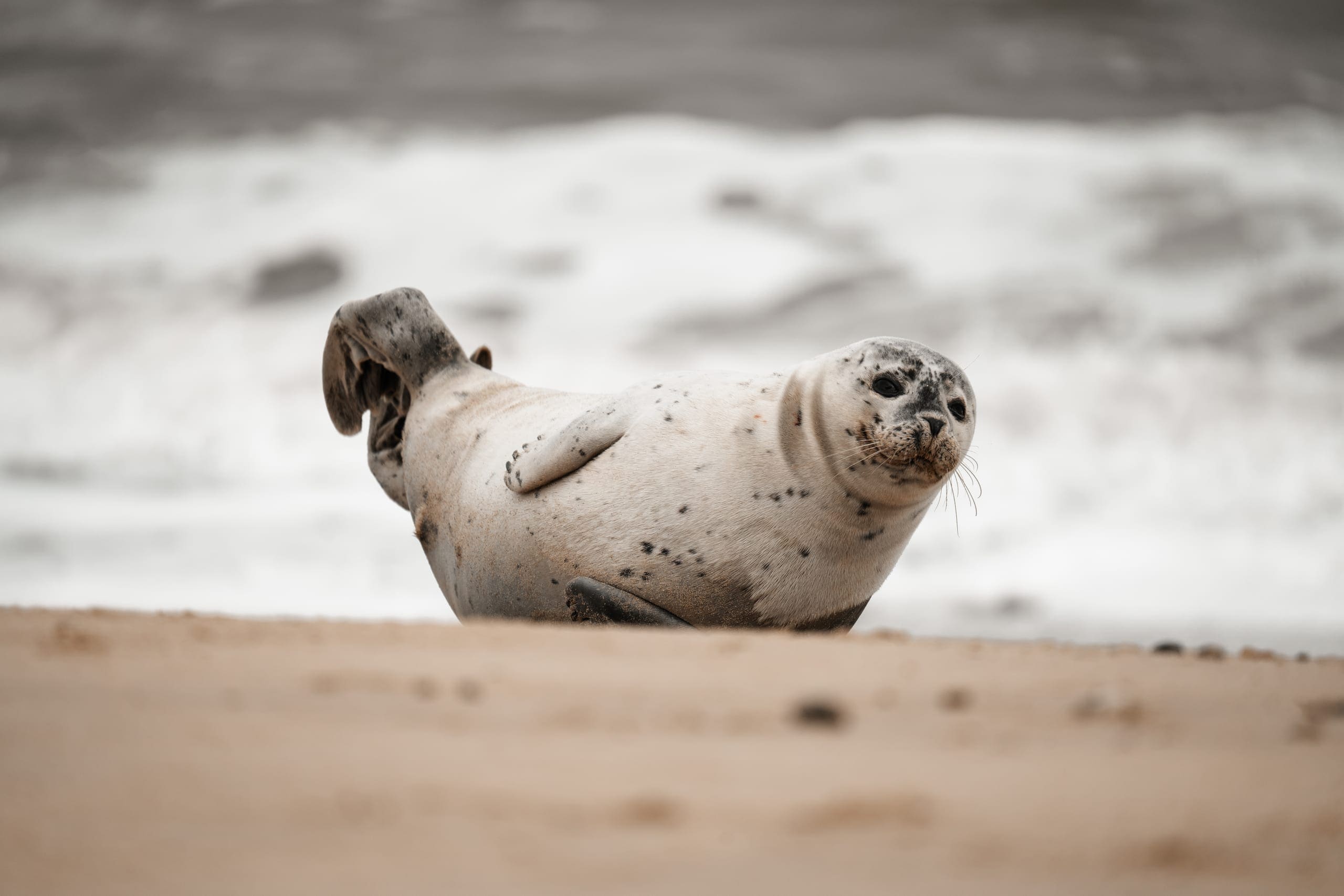
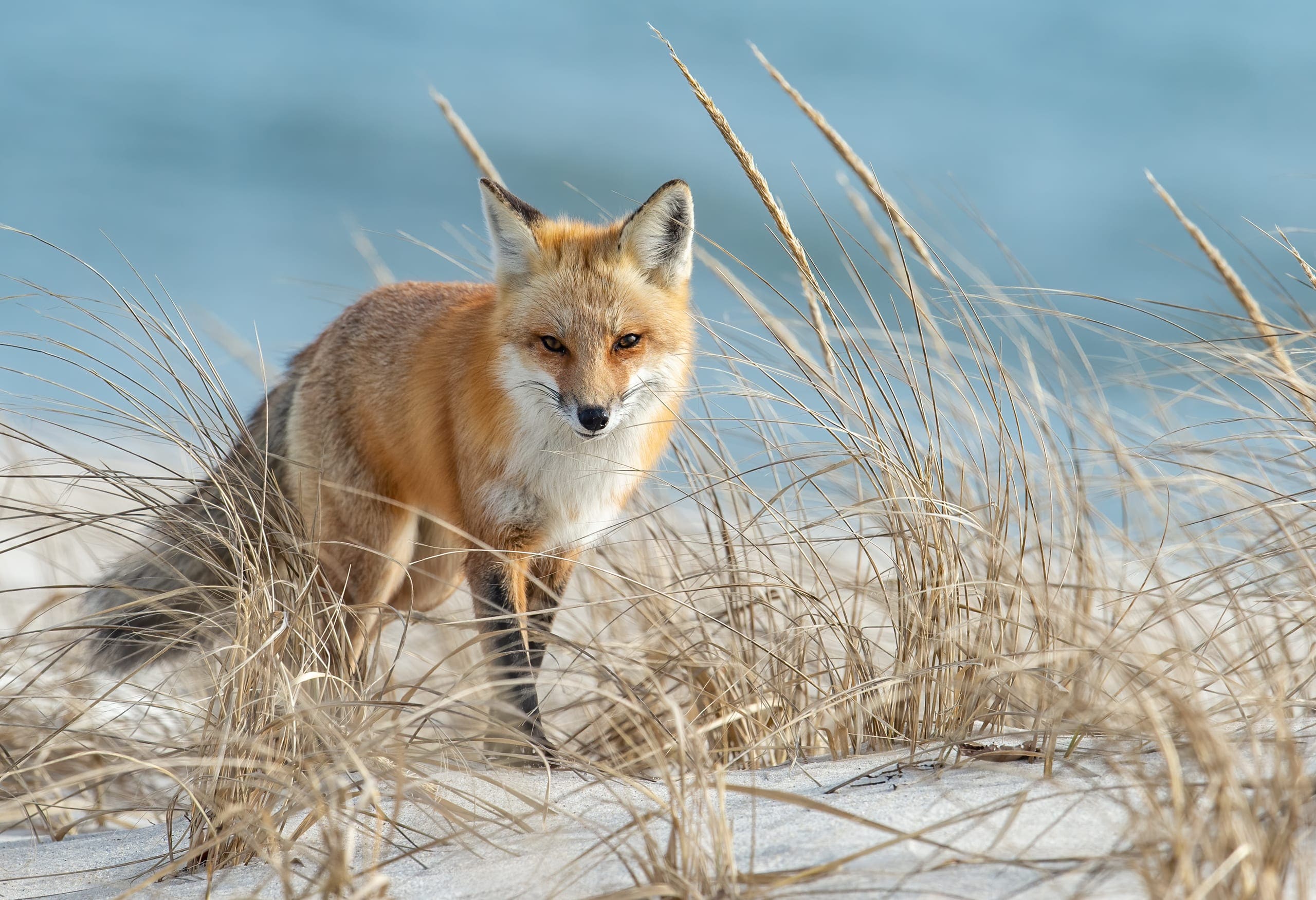
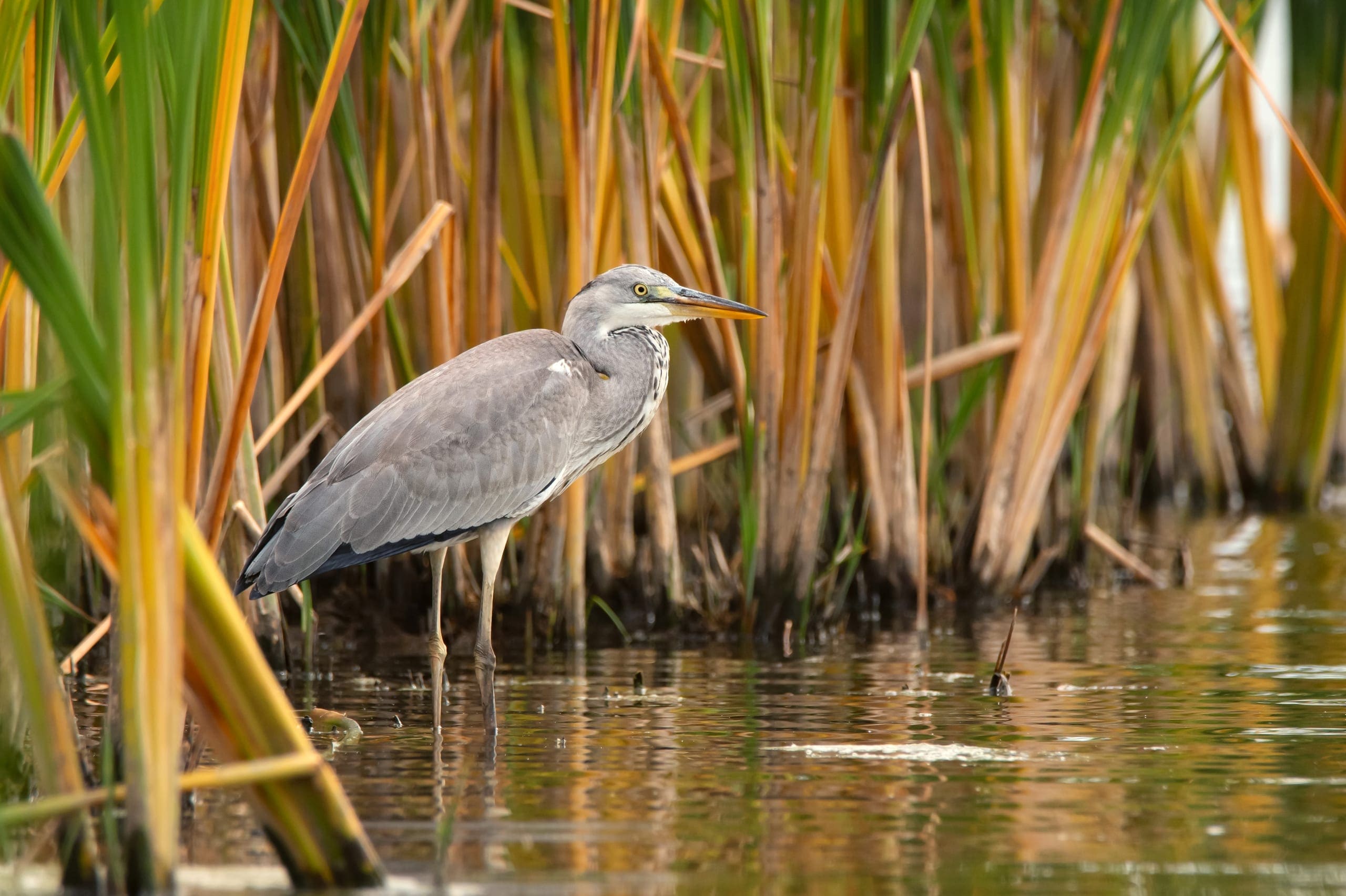
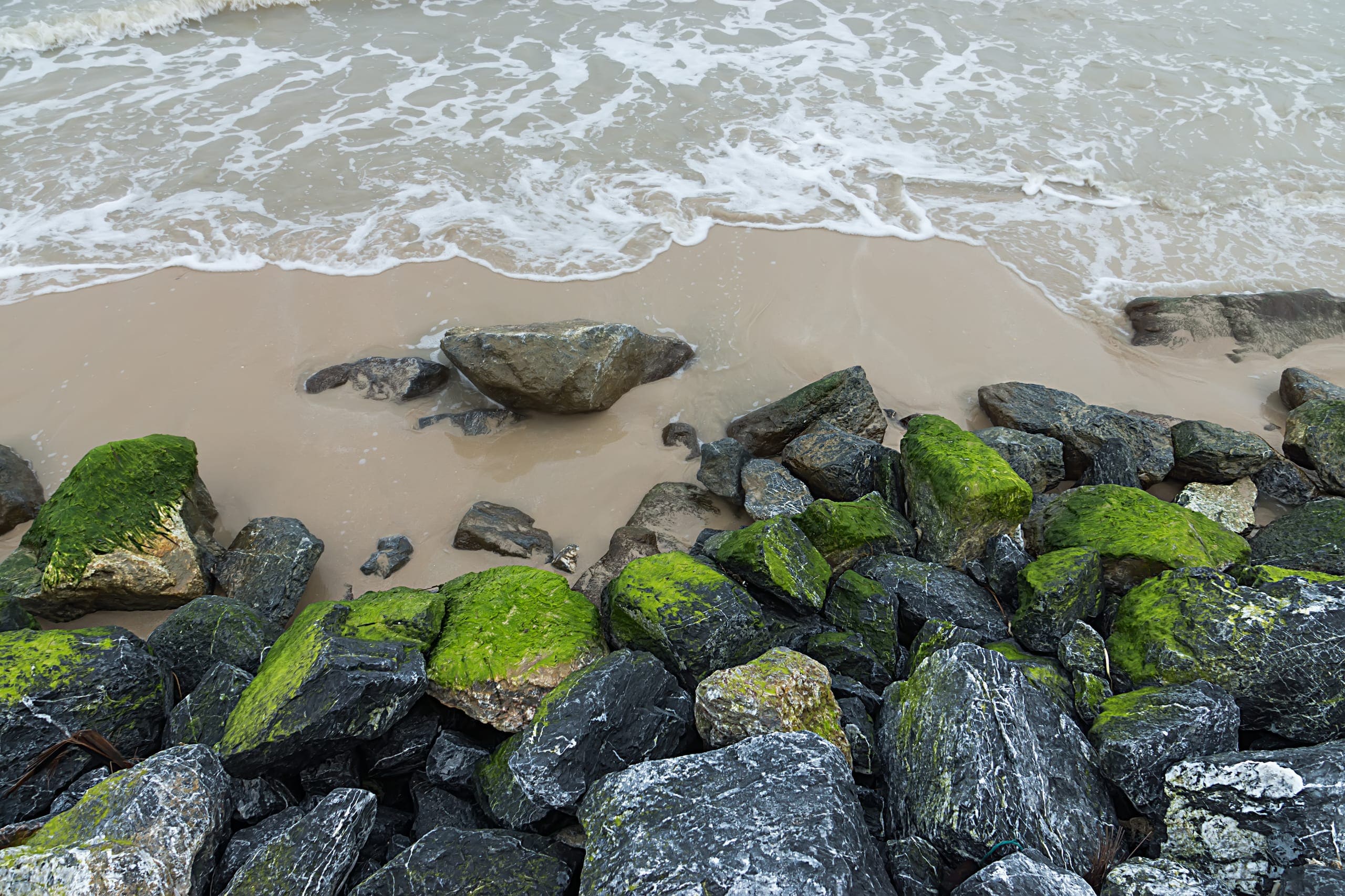
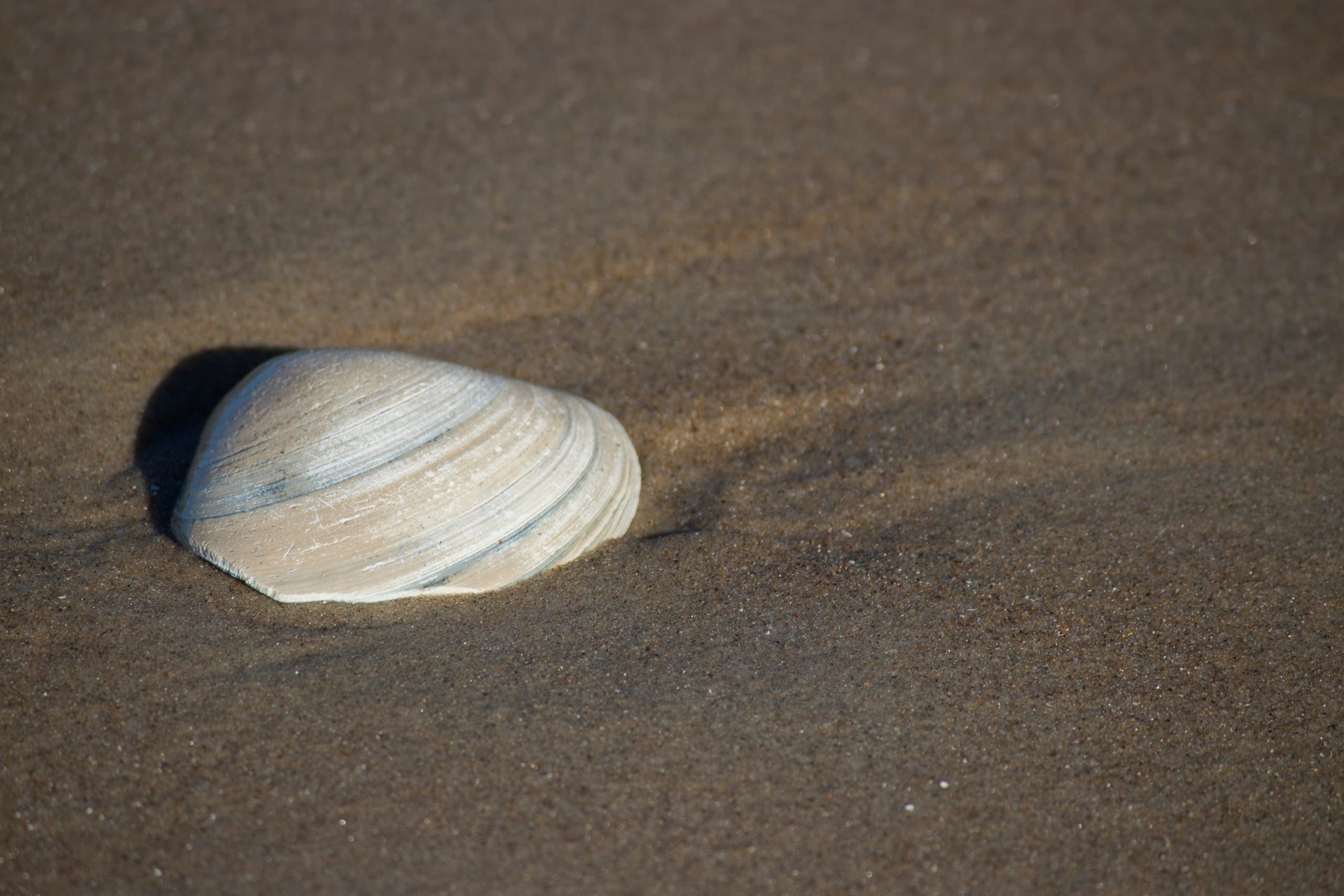
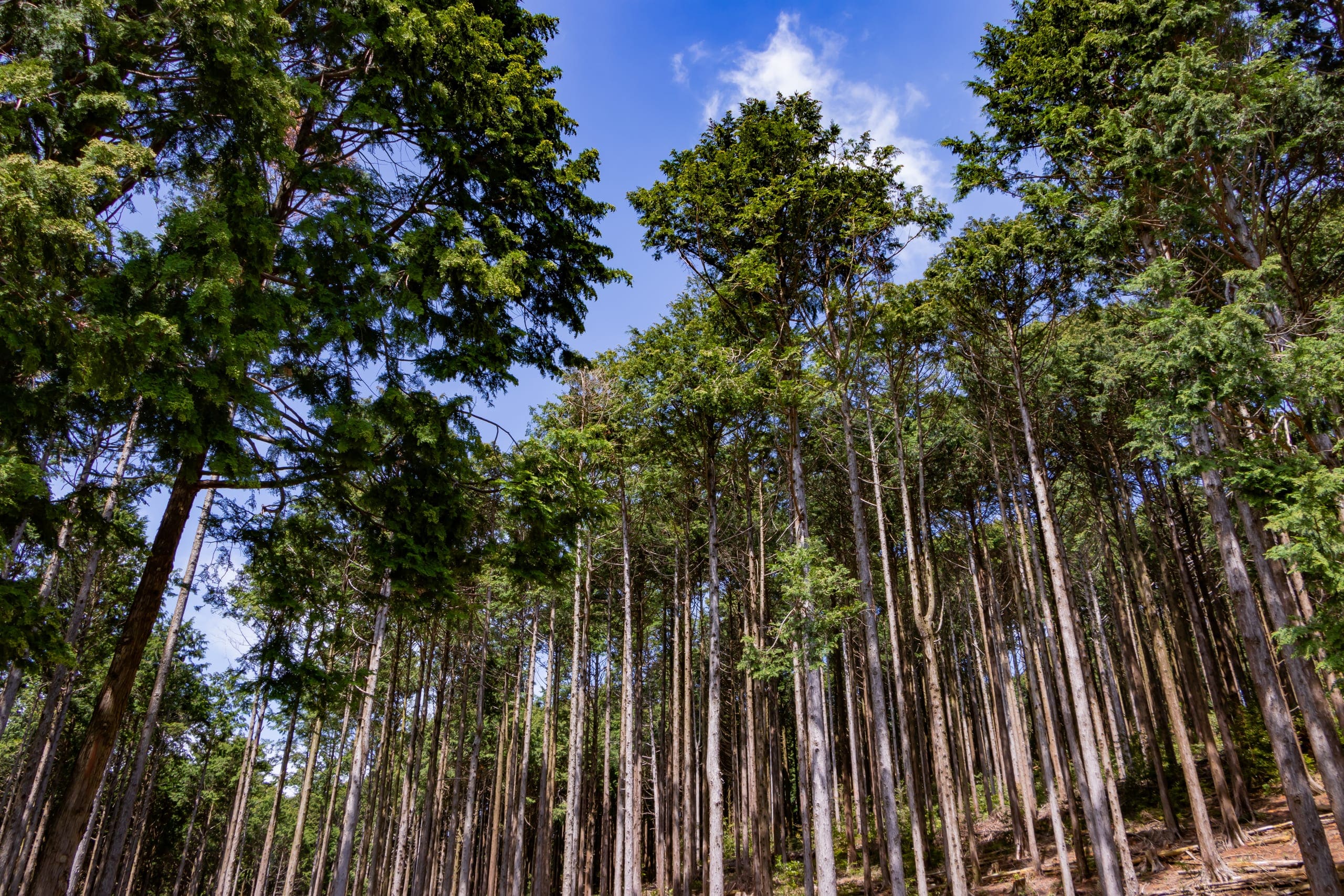
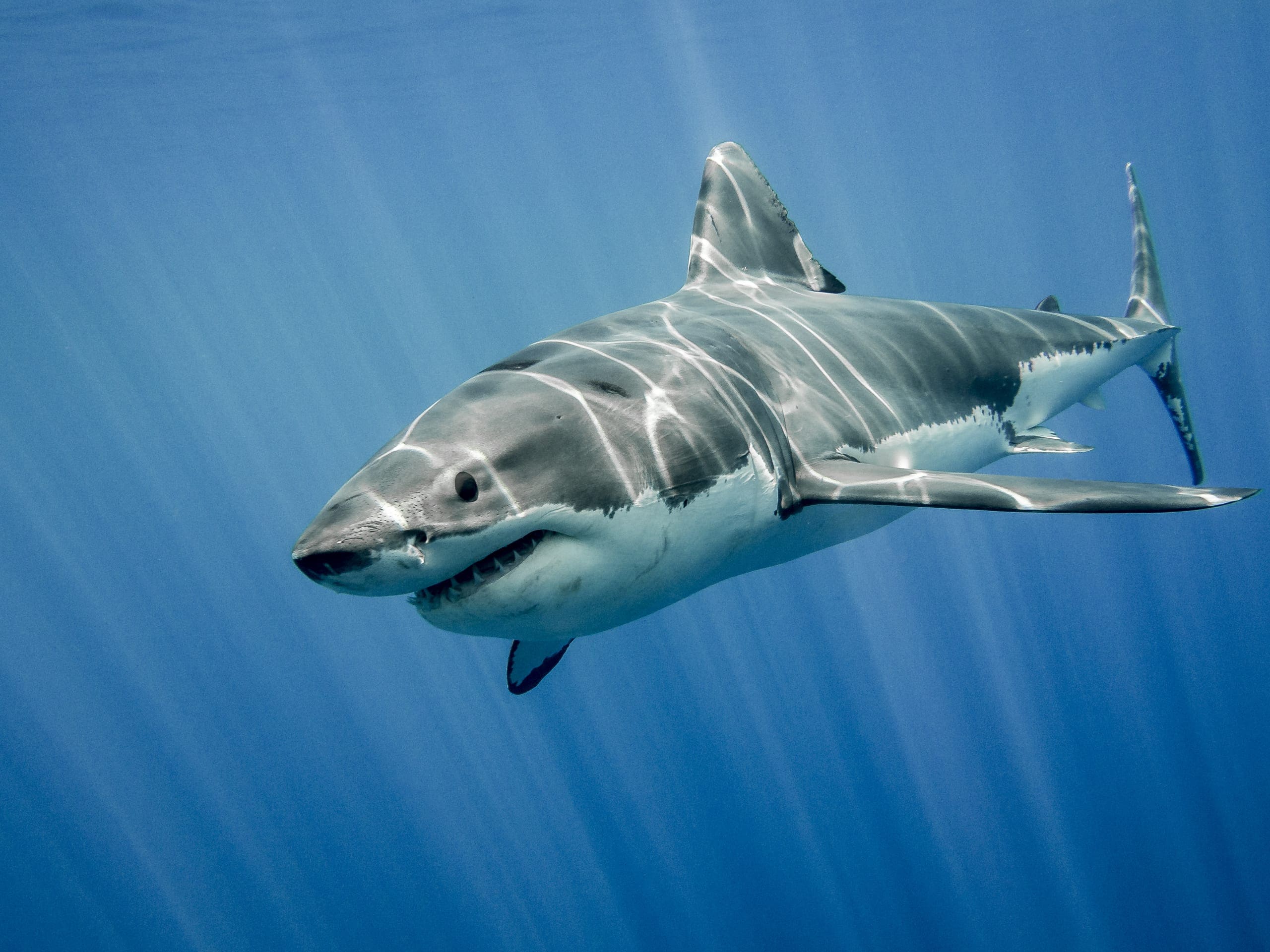
Beach Blog on Habitats
Trip reads written for this hub—pacing and advice, not a second directory.