Photo via Wikipedia / Wikimedia Commons — Salt marsh
Quick facts
Habitat type
Salt marsh & flats
Accessibility nearby
★★★★★
Related zones
Salt marsh & flats, Coastal bays, Inlet & channel
Seasons (this coast)
year-round, spring, summer, fall, migration
Best for
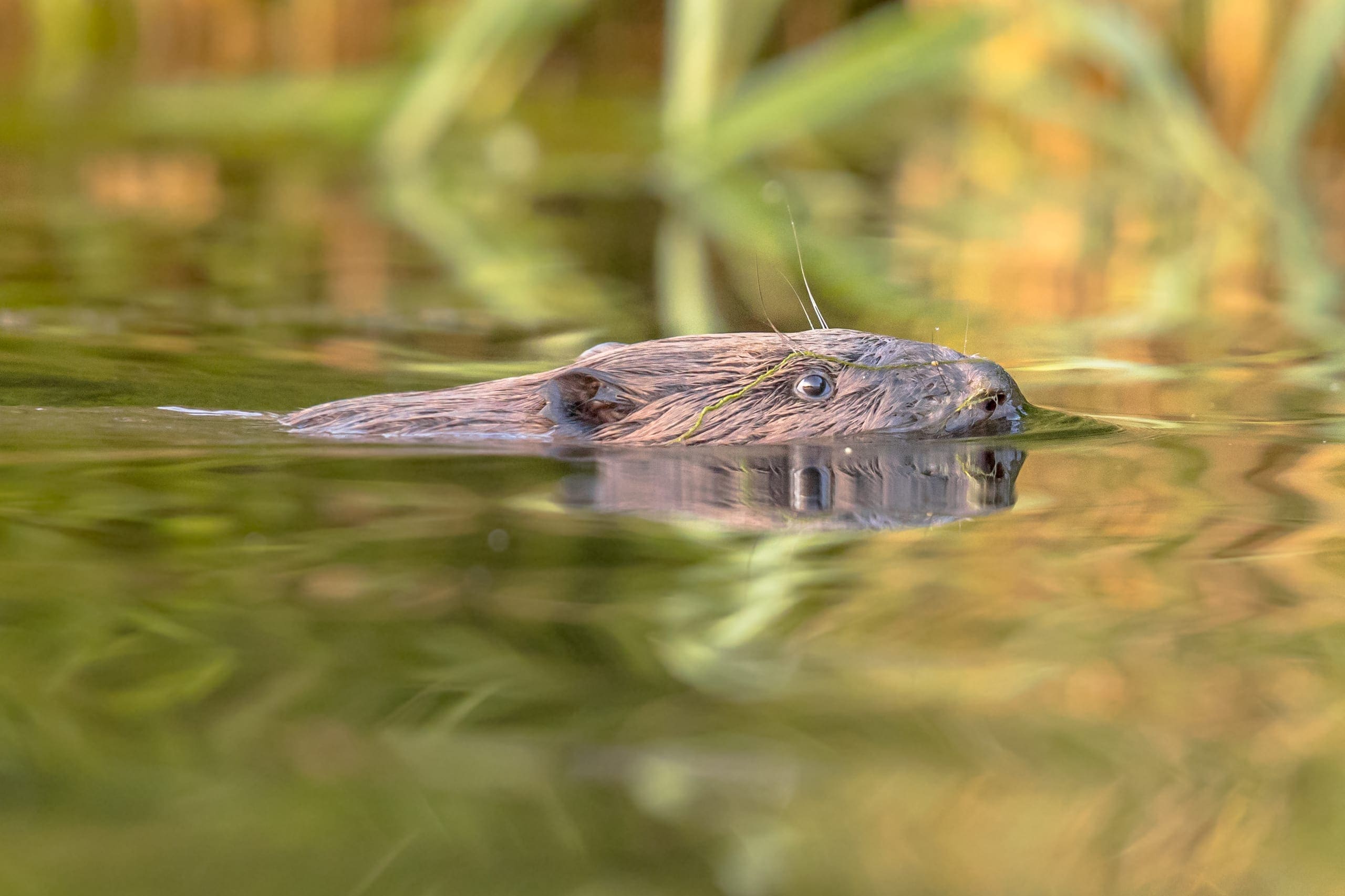
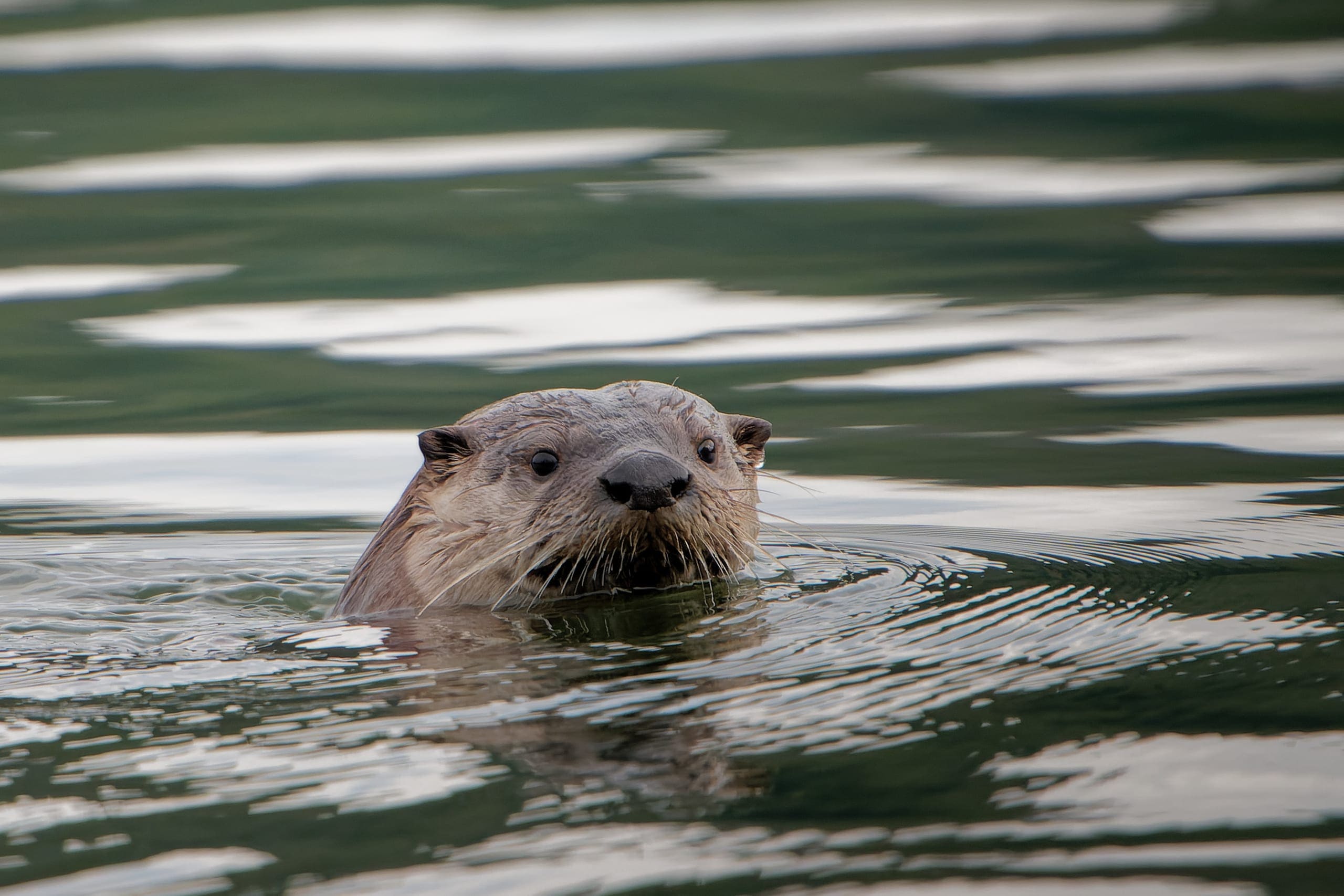
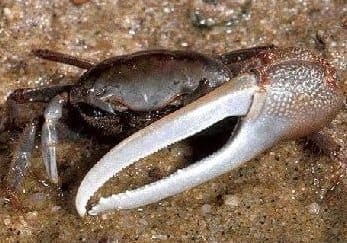
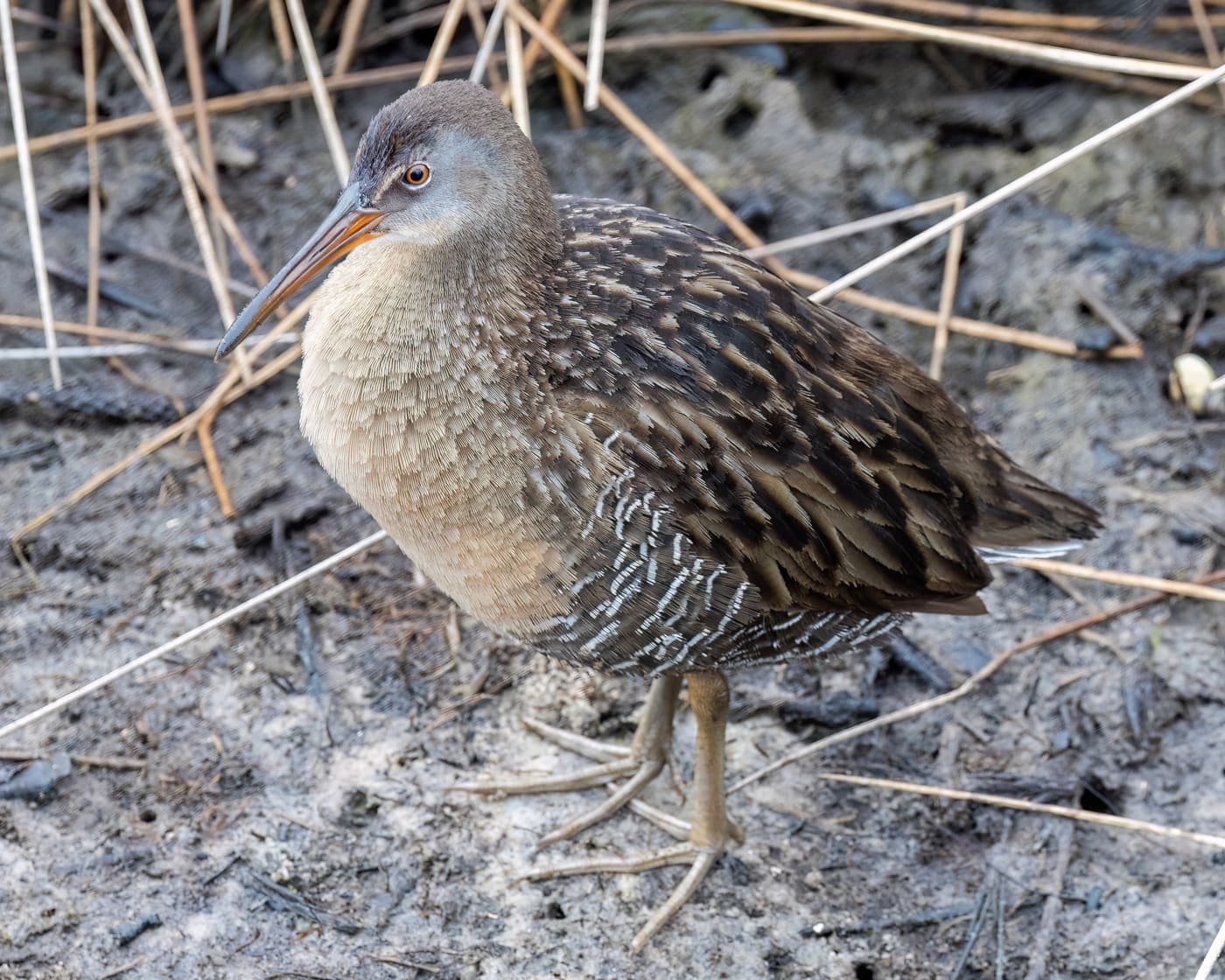
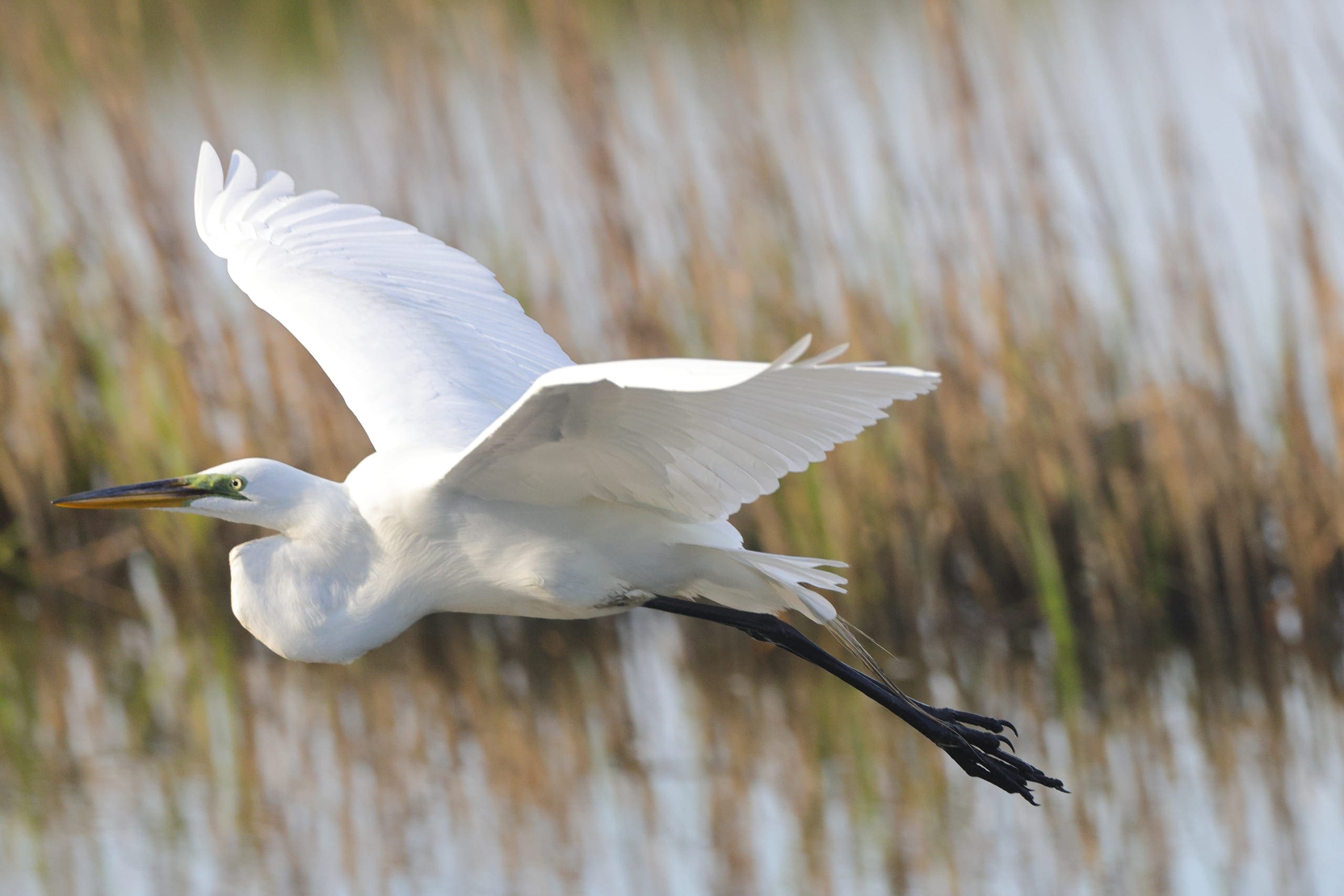
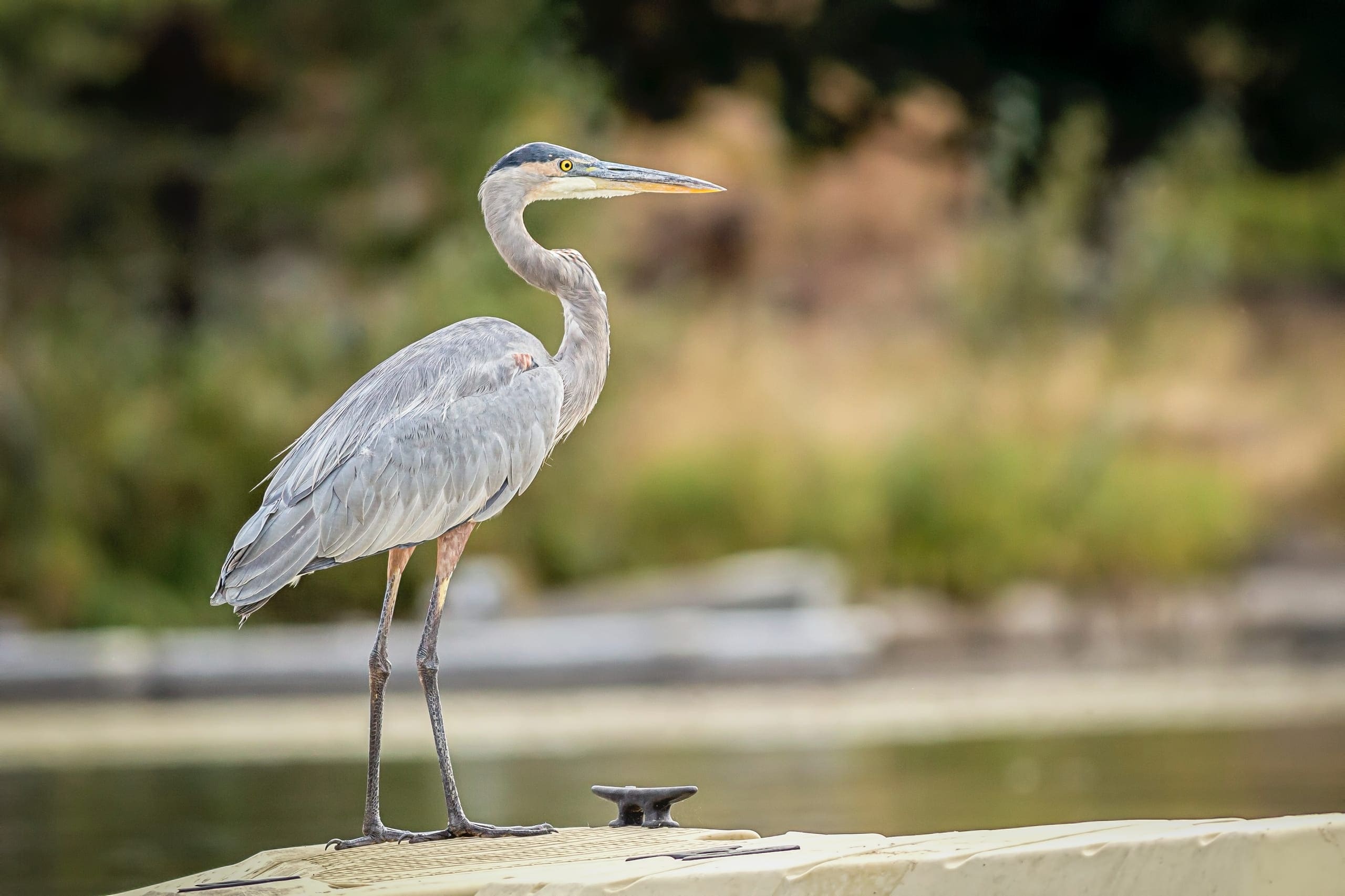
Egrets, rails, fiddler crabs, terrapins, and marsh plant communities.
Species tags
Salt marsh
Access
Overlooks, boardwalks, and kayak put-ins; soft mud off-trail.
Parking
West OC, Route 611 corridor, Assateague bayside lots.
Fees
Free overlooks; park / launch fees vary.
Region
Behind Ocean City barrier island — Coastal Bays
Dominant plant
Saltmarsh cordgrass (Spartina alterniflora)
Signature wildlife
Egrets, clapper rails, fiddler crabs, terrapins
Tide tip
High slack for kayaks; low tide for fiddler armies
Hazards
Mosquitoes, soft mud, summer heat
Pair with
Coastal bays, tidal flats, kayak places
About Salt Marsh
Salt marsh is the green engine of Maryland’s Coastal Bays—cordgrass plains that nursery crabs and fish while filtering runoff before it reaches Isle of Wight and Sinepuxent bays.
From Ocean City you can scan marsh edges by car or paddle guts by kayak. Bring bug protection in warm months. Pair this habitat with Coastal Bays and Tidal Flats pages for a complete back-bay picture.
When to explore — seasonal activity
Relative wildlife-viewing activity at Salt Marsh by season (1–5 scale)
Spring
5/5
Summer
4/5
Fall
5/5
Winter
3/5
Migration lights up marsh birds; summer is rich but buggy.
What it looks like
Expansive low turf of saltmarsh cordgrass (Spartina alterniflora) fringing bays and guts behind the barrier island.
Twisting tidal creeks (“guts”) with muddy banks and oyster-shell edges at low water.
Marsh elder and groundsel bush on slightly higher wrack-built hummocks near upland transitions.
Ecology notes
Twice-daily tides flood and drain the low marsh; cordgrass exports detritus that feeds bay food webs.
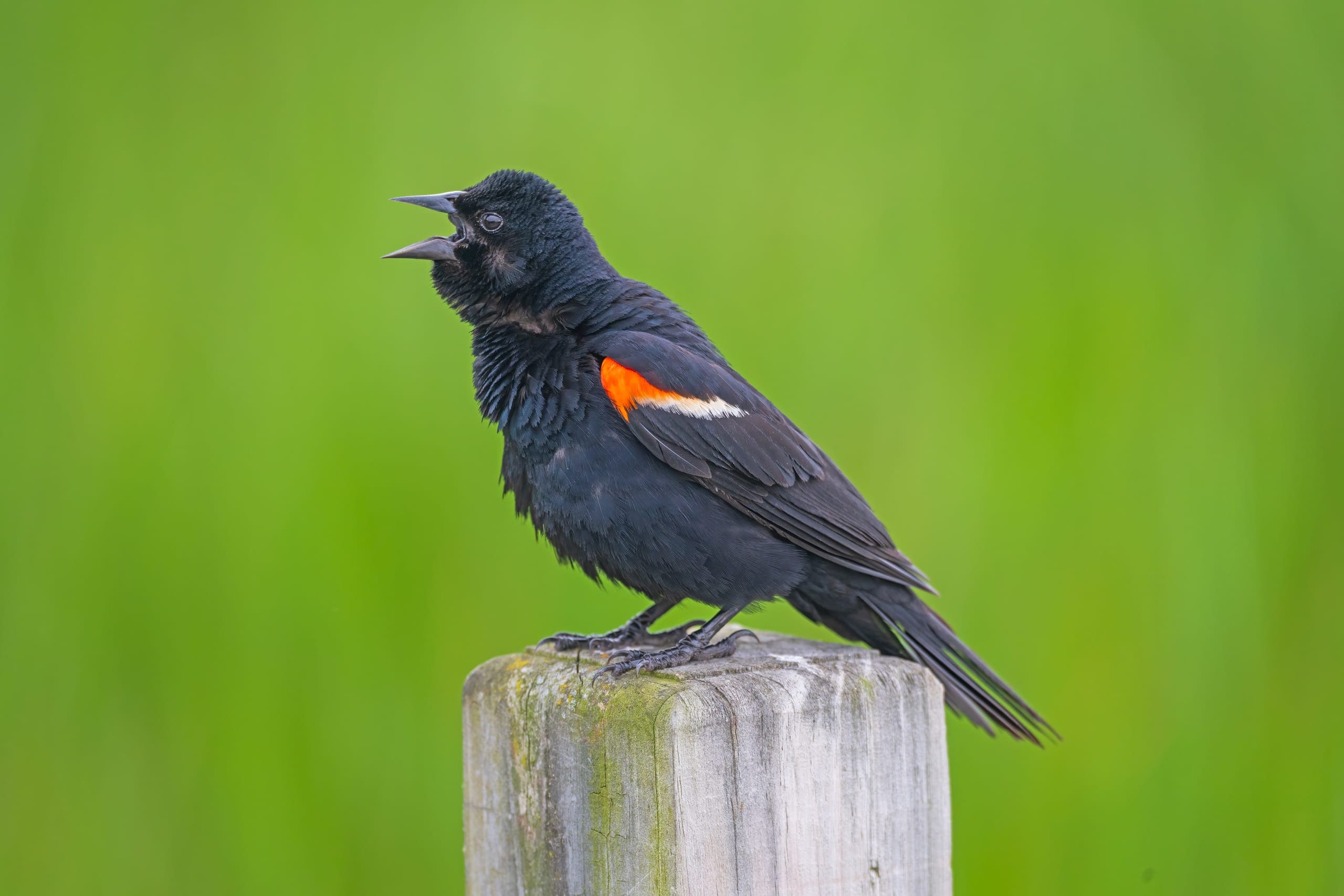
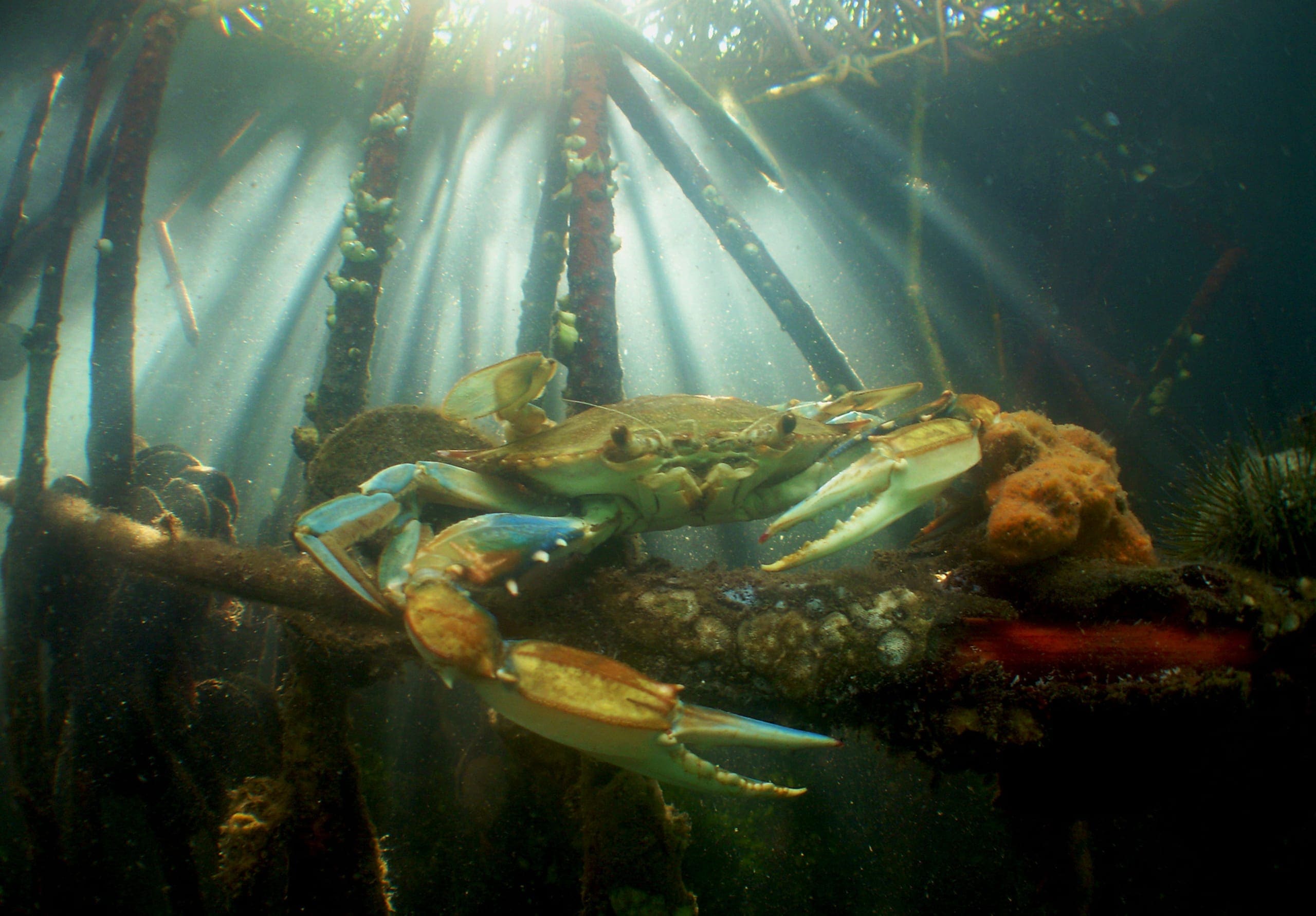
Nursery habitat for blue crabs, fish fry, and periwinkle snails; migration stopover for rails, egrets, and shorebirds.
Filters nutrients from upland runoff—critical water-quality buffer for Isle of Wight and Sinepuxent bays.
Where to explore around Ocean City
West Ocean City and Route 611 causeway views into Isle of Wight Bay marshes.
Assateague State Park bayside trails and kayak put-ins.
Ocean City Inlet west side at low tide—marsh meets rock and current.
When to visit
Year-round structure; peak bird activity spring and fall migration; mosquitoes brutal on calm summer evenings.
Species of Salt Marsh
Nature Guide profiles tagged for this habitat around Ocean City and Assateague, Maryland.
Likelihood stars reflect how often visitors can reasonably expect the species—not a guarantee
for any single outing.
Common questions for visitors exploring this habitat near Ocean City, Maryland.
Where is the easiest salt marsh to see from Ocean City?
Route 611 causeway views, West Ocean City bay edges, and Assateague State Park bayside trails. Kayaks reach quieter guts where rails and terrapins are more likely.
Why does the marsh smell at low tide?
Sulfur smells from anaerobic mud are normal in healthy marshes. Strong sewage-like odors near outfalls are different—report pollution to local authorities.
Are fiddler crabs okay to collect?
No—watch and photograph. They are part of the marsh food web and excavate burrows that oxygenate mud.
When are mosquitoes worst?
Calm, warm evenings after wet periods. Dawn paddles with breeze, long sleeves, and repellent make marsh trips far more enjoyable.