Fishing boat rentals
Angling rentals mean electronics expectations, livewells, and honest talk about weather windows, not just hours on the bay. Many visitors start with small johnboats and skiffs for calm Isle of Wight days. Confirm tackle, fuel policies, horsepower limits, and rescue coverage before you leave the dock.
Not in our directory yet? Browse the committed Charter Boat Directory listings grid (marketplace crosswalk).
If you’re new to Maryland waters, compare a guided charter first—skills, navigation, and species know-how often beat the rental discount on short vacations. Use the trip-type picker (Charter Boat Directory listings) to separate captained trips from DIY hulls; the boat rentals category hub lists directory rows tagged for rental desks (not every bait shop or resort desk may appear until editors expand coverage). For shallow-bay johnboats and skiffs—motors, passenger caps, and what desks usually bundle—read the small boat rentals primer below. When ramp signs or inlet detours disagree with a blog headline, separate Town posts from tourism copy via official portals.
Read before you sign: compliance checklist, plan a fishing day, tides & inlet safety — full index articles. If you came from a fun-boat or PWC listing, read recreational vs fishing rental first.
Ocean City, Maryland small boat rentals
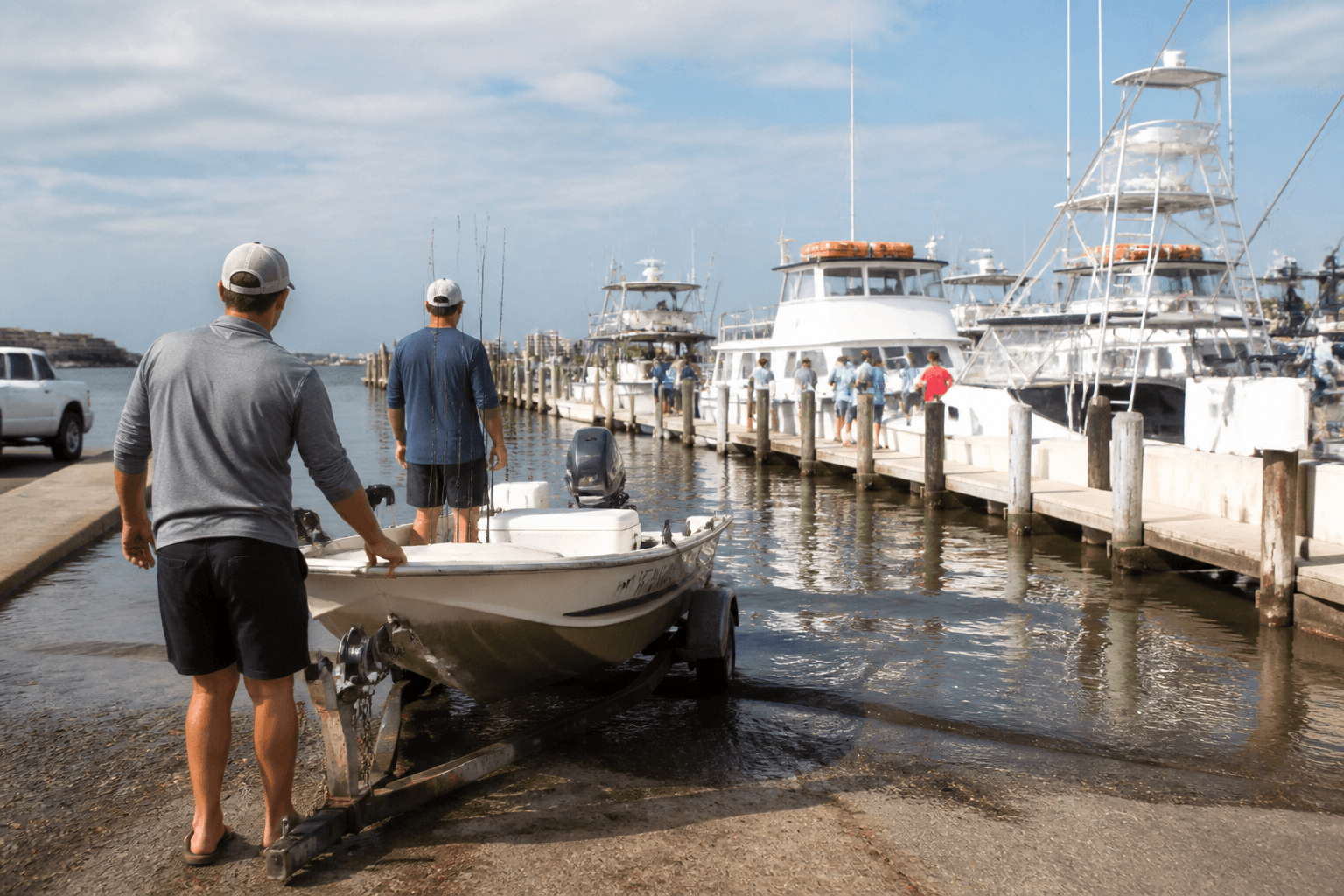
Small boat rentals skew toward calm, protected bays—flat johnboats, open skiffs, and short center consoles that are easy to dock, easy to teach on a single tank of fuel, and forgiving when the ocean side of the inlet looks sporty. They are a strong fit when you want to fish, crab, sightsee, or anchor for a cooler lunch without charter invoices—assuming you still respect navigation rules, crab measuring tools, and seasonal closures.
What is a small boat rental?
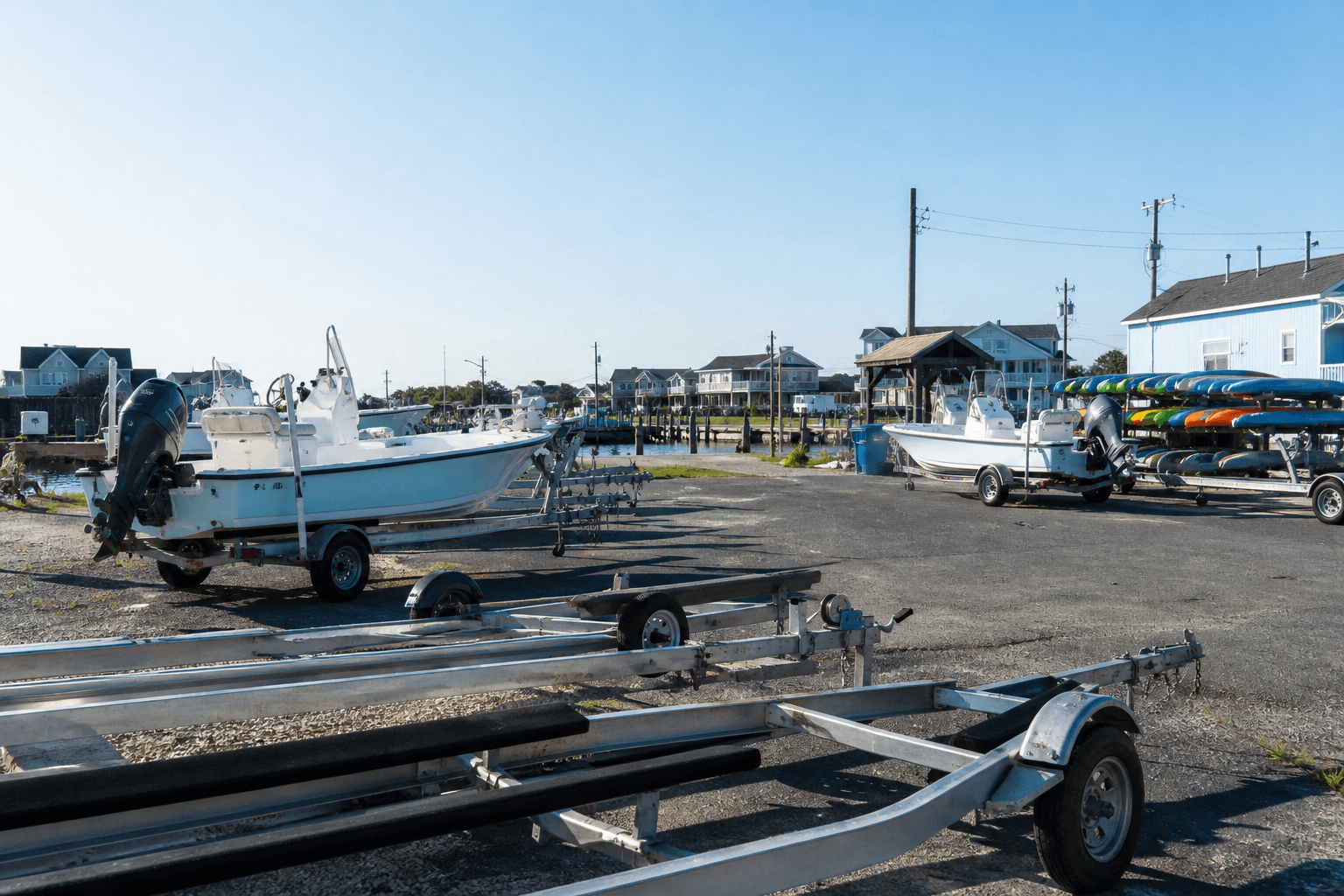
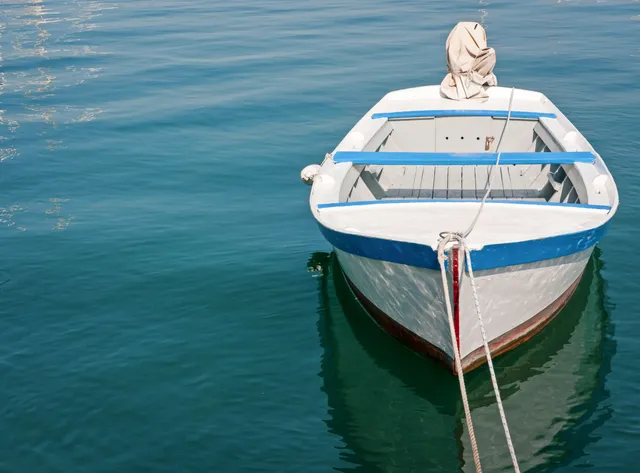
Expect stable, shallow-friendly platforms—often roughly fourteen to eighteen feet—with quiet nine-point-nine to twenty-five horsepower outboards sized for no-wake runs and light bay chop. Capacity is whatever the Coast Guard placard and rental agreement allow, commonly two to six passengers on the smallest skiffs. These are not canyon hulls; stay inside the boundaries the desk marks on your map.
What is usually included?
Most outfits pair a hands-on operating tutorial with life jackets, basic safety kit, anchor, and dock lines. Shade biminis appear on some models. Paper or laminated bay maps help you orient—but they do not replace judgment about wind, current, or busy channels. Ask what electronics (if any) are aboard, how fuel is metered, and what happens if weather cancels mid-day.
Fish, crab, and relax on the bay
- Fishing — Drift or anchor for flounder, croaker, sea bass, tautog, and bluefish when seasons and size rules allow; keep a regulations tab open even on “simple” days.
- Crabbing — Legal pots or handlines for Maryland blue crab when you have the right licenses and gear marking; pair with the crabbing & clam charter primer for mindset, then confirm trap rules for your rental zone.
- Sightseeing — Creeks, marsh edges, and coves on the Isle of Wight / Assawoman side reward slow cruising for wildlife—mind wakes and swimmers.
- Picnics — Anchor in lee, keep trash contained, and avoid seagrass scarring with poor anchor placement.
Extras often sold dockside
Rod and tackle rentals, bait, chum, crab traps, and bagged ice are common add-ons. Some desks post bite notes or point you to local fishing reports—treat them as hints, not a guarantee. For PWC or pontoon-first listings, cross-read boat and jet ski rentals and the recreational-vs-fishing rental article so liability and gear expectations match the hull you actually rent.
At a glance
- Hull styles — Johnboats / skiffs / small center consoles built for skinny water.
- Power — Typically nine-point-nine to twenty-five horsepower outboards; confirm wide-open throttle rules.
- Capacity — Two to six passengers common; never exceed the placard.
- Safety — PFDs, throwable where required, horn/whistle, basic first aid—verify what is actually in the box.
- Licensing & education — Some packages bundle fishing or crab license coverage; others do not. Maryland also phases in boating safety education by age and horsepower—ask the desk how rules apply to your operators before you assume “no paperwork.”
- Experience — Beginners succeed with conservative routing; if you are nervous at the inlet, stay bay-side or book a captained trip instead.
Who should rent a small boat?
- Families after crabbing, light fishing, and sandbar photos without a crowded party-boat rail.
- Casual anglers who want a quiet platform and are willing to learn knot, anchor, and VHF basics.
- Visitors with limited helm time who still accept responsibility for everyone aboard.
- Small groups wanting private bay time at per-hour economics—compared thoughtfully to split charter pricing.
Plan a DIY fishing boat rental day
Same steps appear in structured data—use them with the rental contract, not instead of Maryland DNR or NOAA.
- Compare captained trips before you sign: Use the charter directory trip-type picker to see private and head-boat alternatives—then read the rental contract on credits, fuel, and weather cancels.
- Run regulations and timing homework: Walk Maryland DNR and federal references for your species and waters, skim the compliance checklist article, and pair tides with inlet-safety judgment for your launch window.
- Lock ramp, marina, and land legs: Confirm which lot and ramp you are using, how no-wake runs eat your fishing window, and pad bridge time with travel tips and transportation.
- Provision bait, ice, and terminal tackle before the ramp queue forms: Same-day bait and sealed coolers rarely belong in a generic beach cart—route the shopping hub fishing and boating retail planner with marine provisions and groceries boat-week steps.
- Inspect hull, safety gear, and electronics: Before you throttle up, verify PFDs, VHF or phone habits, livewell limits, and what the outfit actually mounts—mirror visitor boating safety habits even on a rental.
- Stack marine weather, tides, and reports the same morning: Keep fishing weather, tides, and bite chatter in the same browser session as the rental desk—not yesterday’s beach forecast.
Primary planning links
- Things to do — activity minisites
- Charter directory — trip-type picker
- Charter Boat Directory — listing index (marketplace crosswalk)
- Boat rentals — category steps
- Small bay boat rentals — primer (this page)
- Fishing hub — crabbing & clam charters
- Fishing hub — plan a fishing day
- Fishing regulations — verify steps
- Boating safety — visitor check
- Fishing weather — marine weather steps
- Ocean City tides — plan with tide tables
- Ocean City marinas — plan a meet-up
- Shopping hub — fishing & boating retail
- Travel tips — bridge buffer for fishing days
- Golf hub — drive comparison & course guides (maps, themes)
- Boating hub — plan a pleasure boating day
- Article — recreational vs fishing rental
- Fishing reports — use without hype
- Article — splash and fishing same vacation
- Article — one fishing morning, rest beach
- Ocean City Info — official portals (Town vs tourism vs forecasts)
Marinas, ramps, and staging
Rentals rarely include “full concierge”—know where you are launching, who handles fuel, and how long the no-wake runs eat from your fishing window. Cross-read marinas and boating for slips and bayside context; keep boating safety in front of mind when the inlet is busy. Land time to the ramp: travel tips, transportation. Harbor-only hops (not a fishing trip): water taxis. Mixing golf the same week? Westbound tee times and ramp returns both punish vague ETAs—compare drive bands before you stack afternoons.
Shore days between ramp runs—mini golf, arcades, sports, sightseeing—still need one calendar; route land energy through Things to do — activity minisites so bait errands and dinner plans stay honest.
Hidden costs: time, fuel, and fishing windows
Rental sticker prices rarely include the hour lost in no-wake zones, fuel at marina pumps, ice runs, or a shortened bite window when you are still rigging at the ramp. Compare that stack to a captained day from the trip-type picker (Charter Boat Directory listings) before you assume DIY is cheaper—especially on short vacations when every tide matters.
For seasonal color (not a substitute for your captain or DNR), pair DIY days with fishing reports and tides; keep fishing weather in the same tab as the rental contract.
On your hull before you throttle up
- Float plan: tell someone ashore where you launch, your rough return window, and who to call if you are late.
- PFDs for everyone on board—fit kids properly; stow throwable and signaling gear where the rental agreement says to.
- VHF and phone: know channel habits at the inlet; keep a charged phone in a dry bag anyway.
- Livewell, ice, and fish handling: match the boat’s limits to your target species and regulations.
After the cooler: seafood, takeout & delivery—hub food & drink, Good Eats.
From the charter directory: boat rental desks
Operators filed under boat-rentals taxonomy—today this is a thin slice compared with captained charters. Cross-check Fish Tales, Bahia, and other marinas on their own sites; we grow the rental roster as NAP is verified.

Boat rentals category hub · Trip-type picker · Charter Boat Directory listings · Travel tips · Full directory (search & filters)
Fishing rentals & dining FAQs
- When is a fishing boat rental a better fit than a charter in Ocean City?
- Experienced crews who already know Maryland waters and regulations may enjoy the freedom; short vacations and first-timers often get more fish per hour with a guided charter when weather and navigation are unfamiliar. Compare trip archetypes side by side in the charter directory trip-type picker before you assume DIY is the cheaper story.
- What should we eat before an early rental launch?
- Lighter breakfasts and steady hydration often beat greasy shore breakfasts before chop builds—plan a seafood or takeout celebration after you are back and cleaned up.
- Who verifies licenses and bag limits on a DIY rental?
- You do—read regulations with Maryland DNR and federal sources for your species and waters, and ask tackle shops same-day when lines blur.
- What if the rental outfit cancels for weather or mechanical issues?
- Read the contract before you pay—credits vs refunds, who rebooks first on holiday weeks, and whether your lodging dates flex. Keep takeout and indoor backups when everyone else reschedules at once.
- Should I expect chartplotters, VHF, and safety gear to be turnkey?
- Confirm what is mounted, charged, and inspected—do not assume a rental includes the same electronics package as a charter. Ask where to hail help and how fuel readouts work before you clear the no-wake zone.
- Where can I read a checklist before I sign a rental agreement?
- Use our recreational fishing compliance checklist article for species and licensing prompts, then plan a fishing day and tides/inlet safety for timing—still verify every line with DNR, NOAA, and the rental contract.
- Should I book a head boat instead if I want fish but not the responsibility of driving the inlet?
- Often a fit for visitors—compare head boats and charters from the fishing hub, read articles for pacing, and still confirm weather and policies with operators. DIY rentals stay on the renter for nav and compliance.
- Where do I see how many rental desks are in the directory vs charters?
- Open the fishing hub charter directory snapshot for live editorial vs stub counts by category—including boat rentals—then return here or to the boat rentals category hub for filtered listings.
- We also booked regulation golf this week—do bait runs and tee times fight the same bridge?
- Often yes—dawn ramp queues and westbound fairway drives both burn Route 50 buffer on peak Saturdays. Compare drive bands on the golf hub, keep tee sheets on each course site, and do not let tackle errands steal your tee-time margin.
- Does a tourism webcam or OC Ocean beach post replace NWS marine forecasts for my rental day?
- No—small-craft advisories and zone forecasts still come from NWS products; tourism tiles help you picture crowds, not sea state. See /ocean-city-info.html#official-portals and /ocean-city-climate.html#climate-official-stack.
Fishing
Charter directory
Boat rentals (directory)
Directory snapshot
Head boats
Bay Guide boats
Boat & jet ski rentals
Marine provisions & tackle
Marinas
Water taxis
Regulations
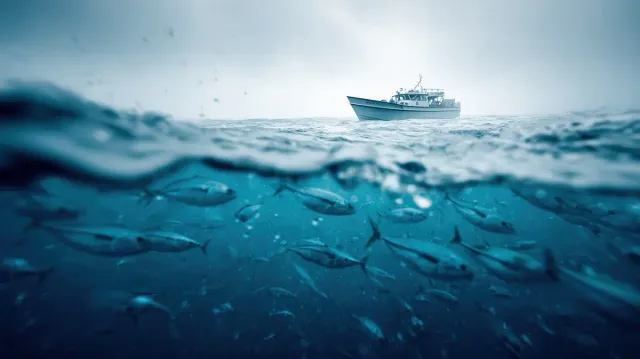
Fishing weather

Tides
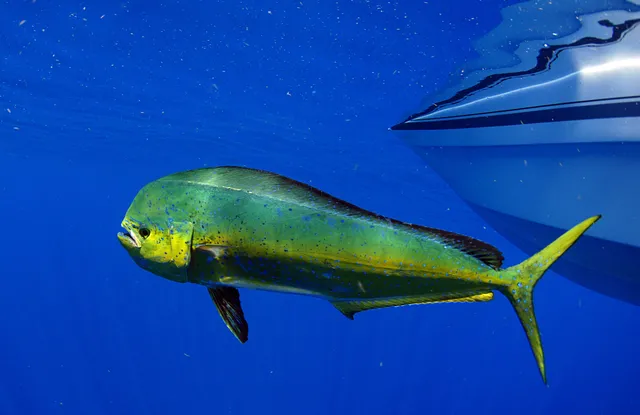
Fishing reports
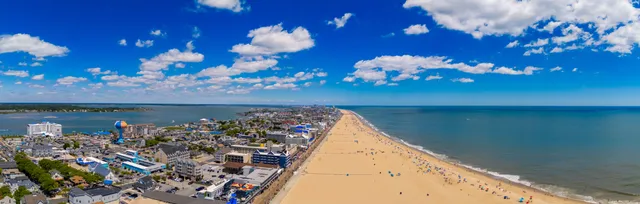
Beach Blog
Fishing boat rentals page last reviewed: April 2026. Confirm equipment and policies with operators.
Beach Blog on Rent a boat
Trip reads written for this hub—pacing and advice, not a second directory.