Soft-shell Clam
Mya arenaria · Also known as: steamer, longneck clam, Ipswich clam
Steamers of New England fame, also dug from Mid-Atlantic mudflats, including Maryland’s coastal bays.
Quick facts
| Group | Bivalve |
|---|---|
| Likelihood nearby | ★★★★☆ |
| Habitats | Coastal bays, Salt marsh, Assateague State Park, Assateague National Seashore |
| Seasons (this coast) | year-round |
How to recognize them
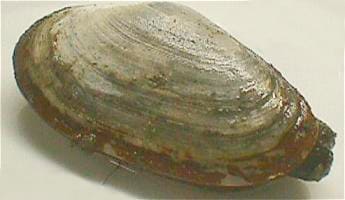
- Thin, oval shells that gape at both ends; long fused siphon (“neck”) cannot fully retract.
- Often coated in mud; broken white shells common on marsh edges.
Biology notes
- Deep burrowers in soft mud; filter-feed via long siphons to the surface.
- Sensitive to pollution and harvest pressure—closures protect public health.
Where to see them around Ocean City
- Muddy bay flats and marsh guts around Assateague and mainland coastal bays.
- Seafood menus as “steamers” when in season and open for harvest.
When to look
- Year-round shells; diggers work cooler months when flats are open.
Viewing tips & etiquette
- Soft shells crush easily—handle live animals gently if licensed to dig.
- Never harvest from closed waters.