Beachgrass ecology, dune plants, ghost crabs, and nesting-shorebird awareness.
Species tags
Primary dunes; Ocean beach & surf
Access
View from marked beach crossings only; stay off fenced restoration dunes.
Parking
Same as ocean beach lots; Assateague lots for intact dune profiles.
Fees
Free to view from legal crossings; park fees at Assateague.
Region
Behind OC & Assateague ocean beaches
Role
Storm buffer and sand reservoir
Signature plants
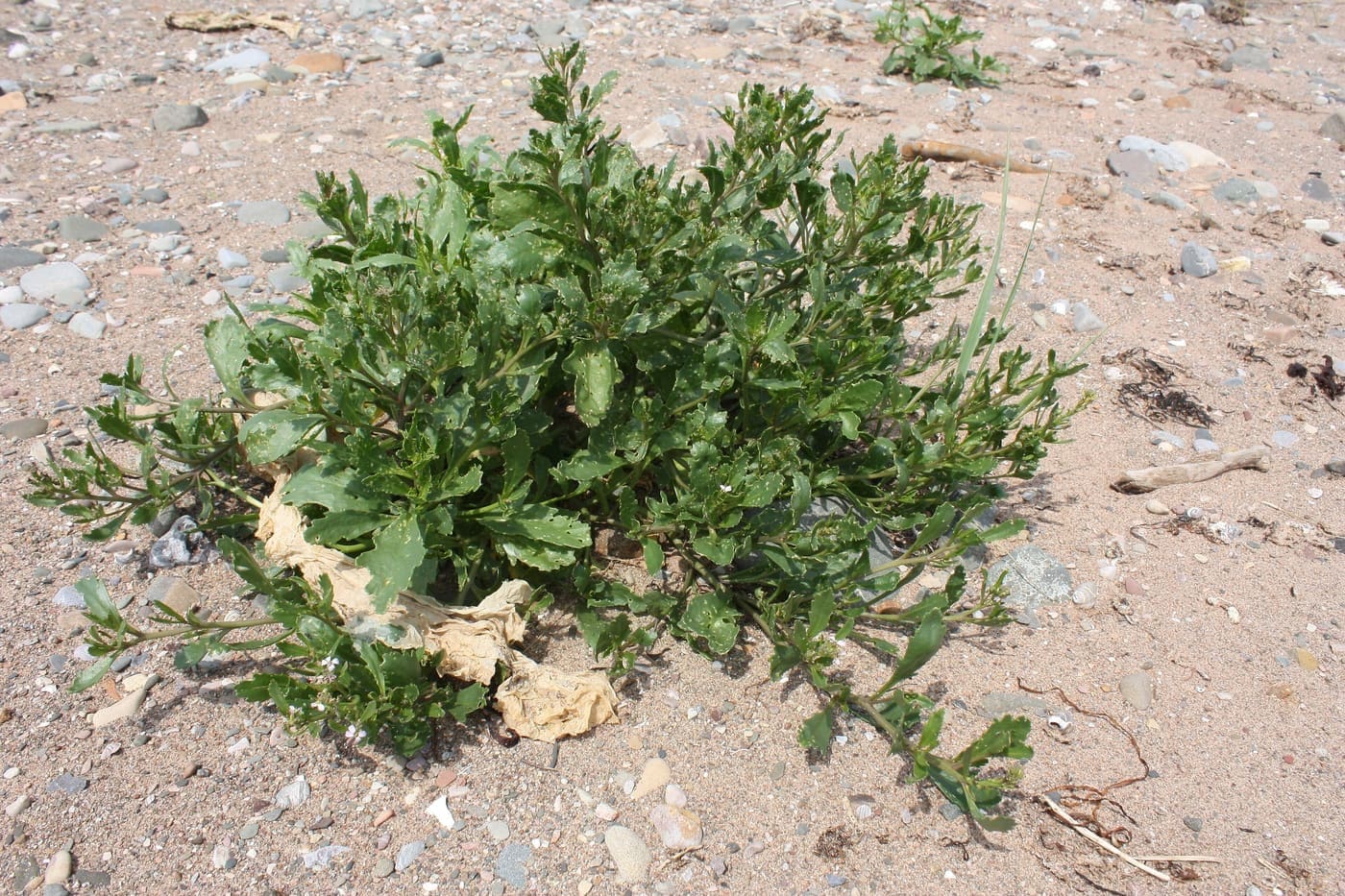
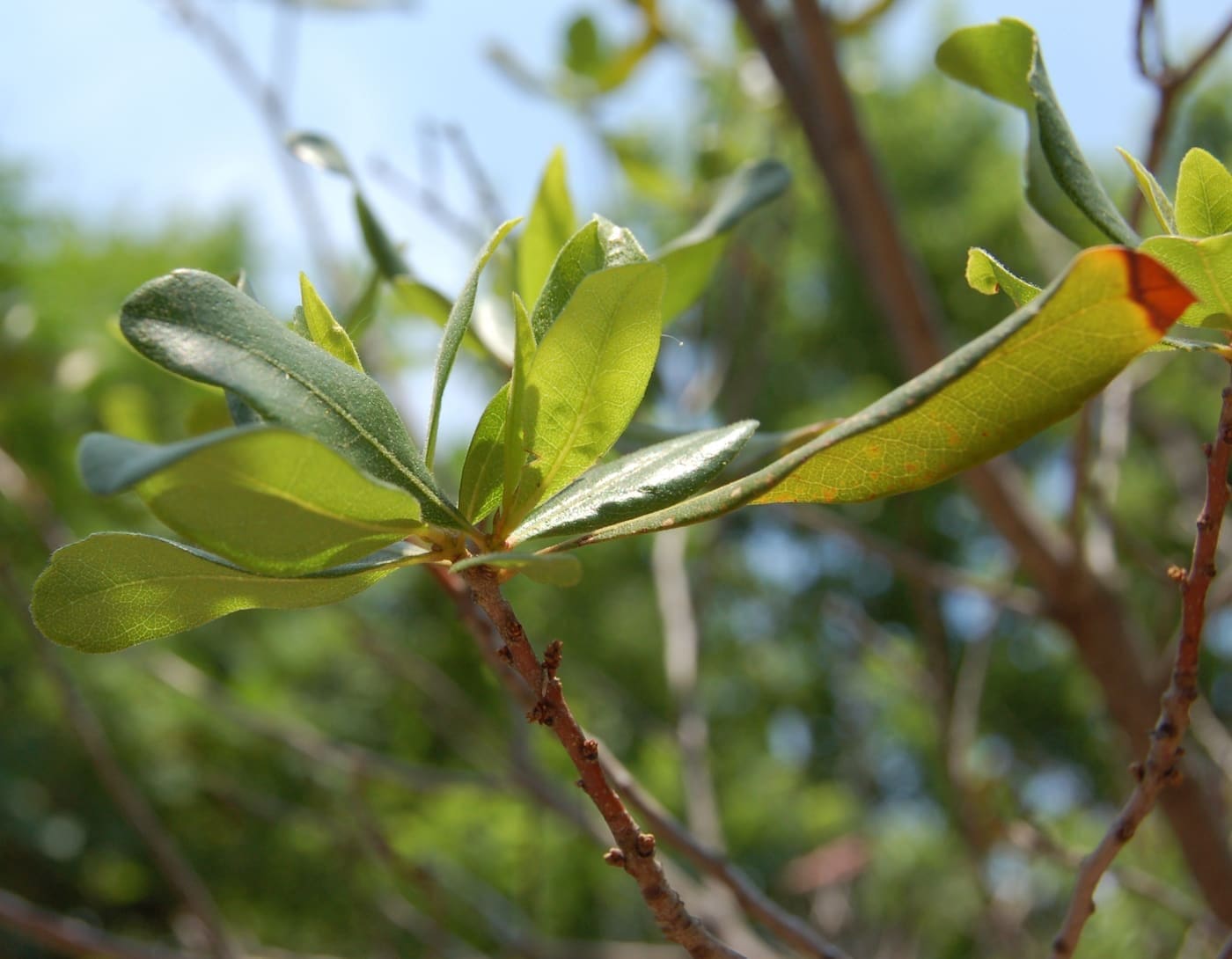
American beachgrass, dusty miller, sea rocket
Wildlife notes
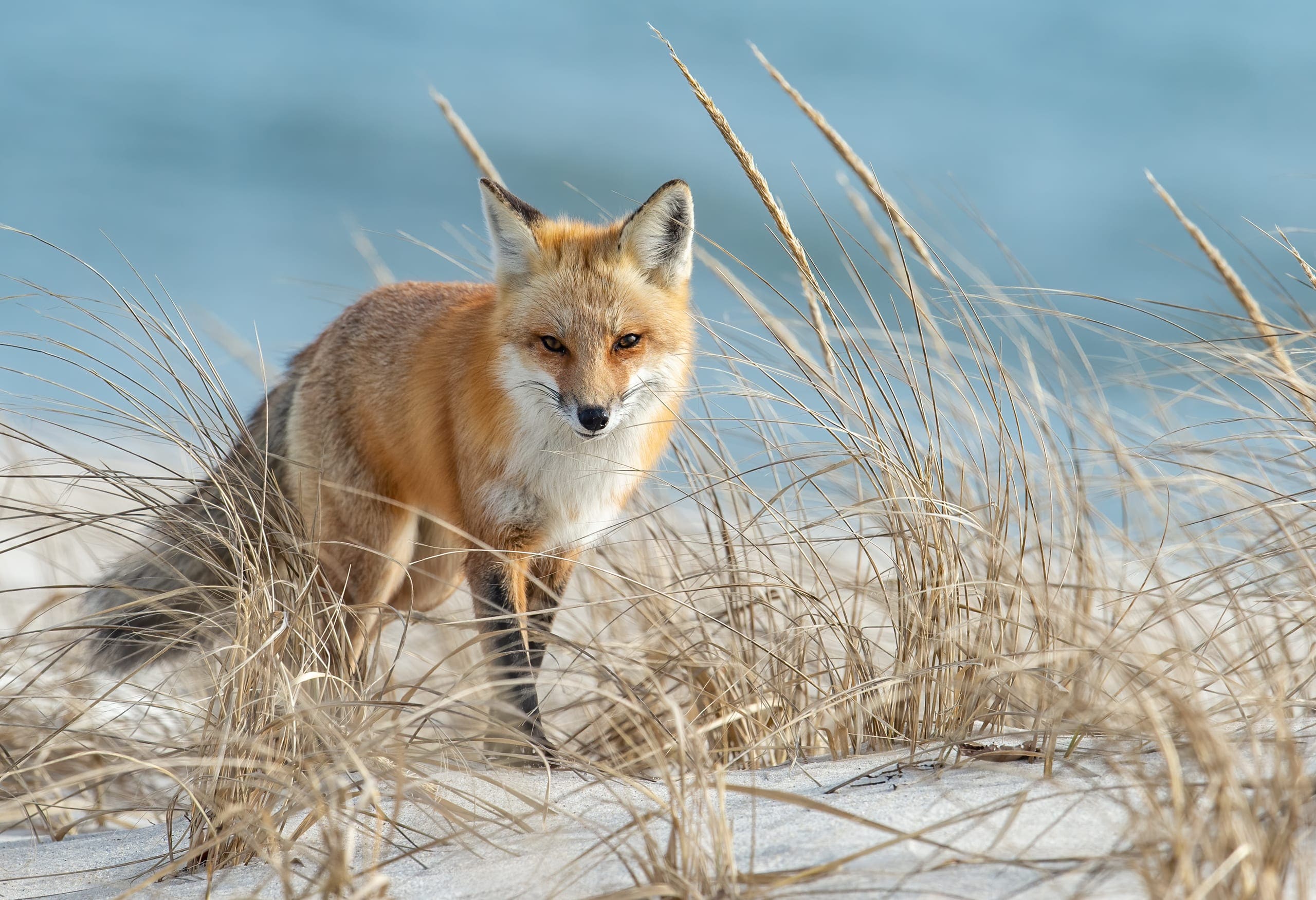
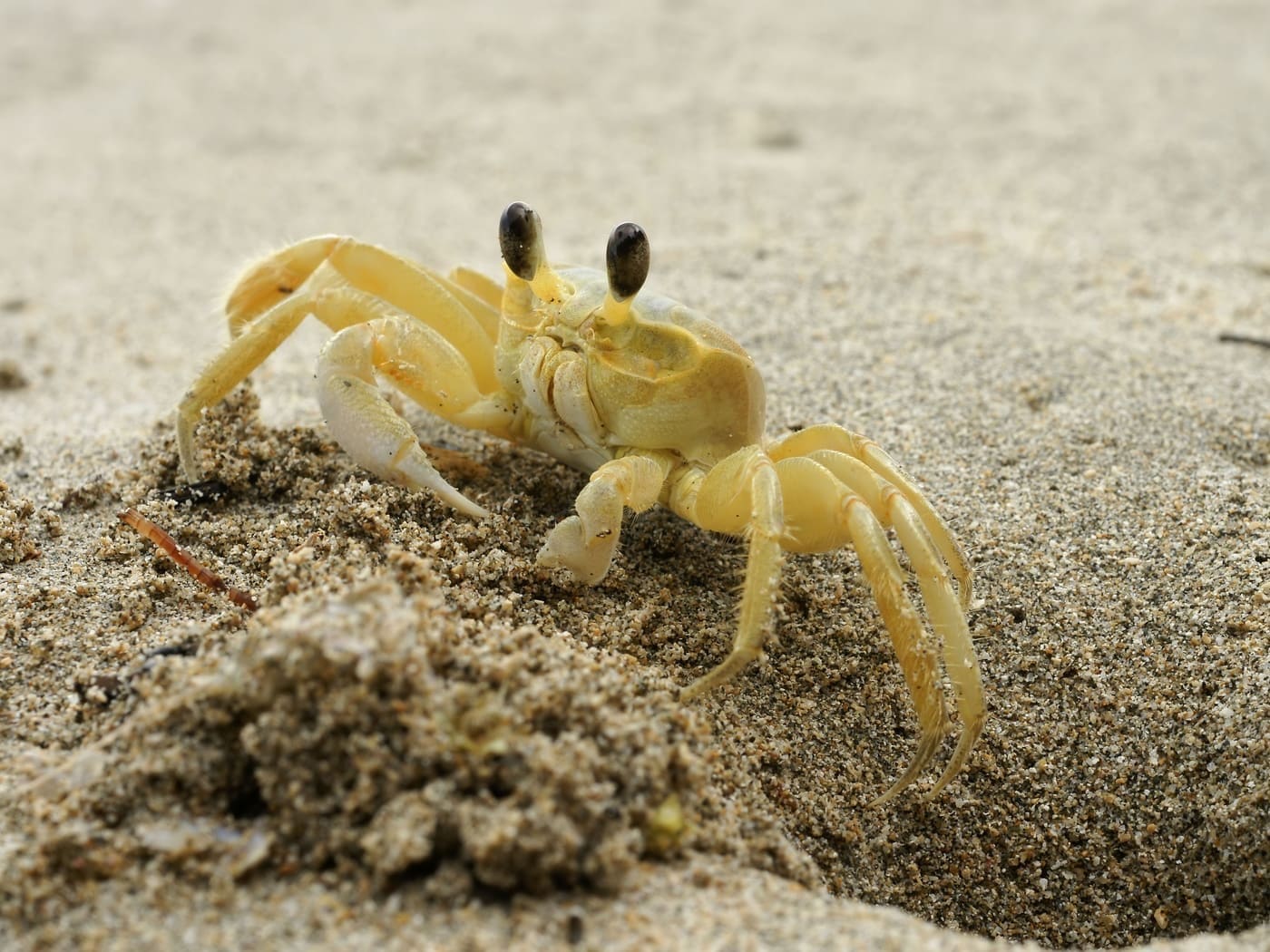
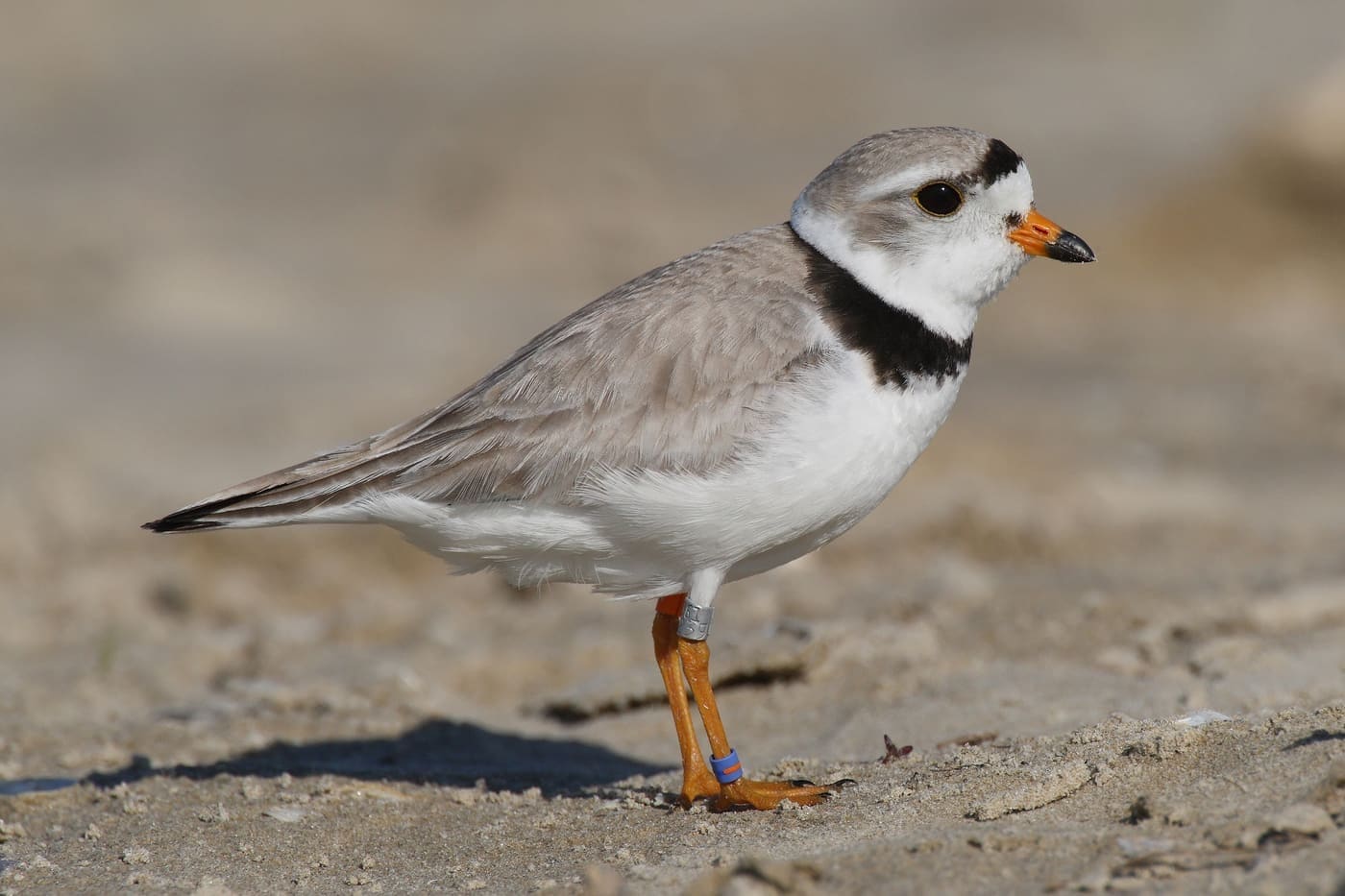
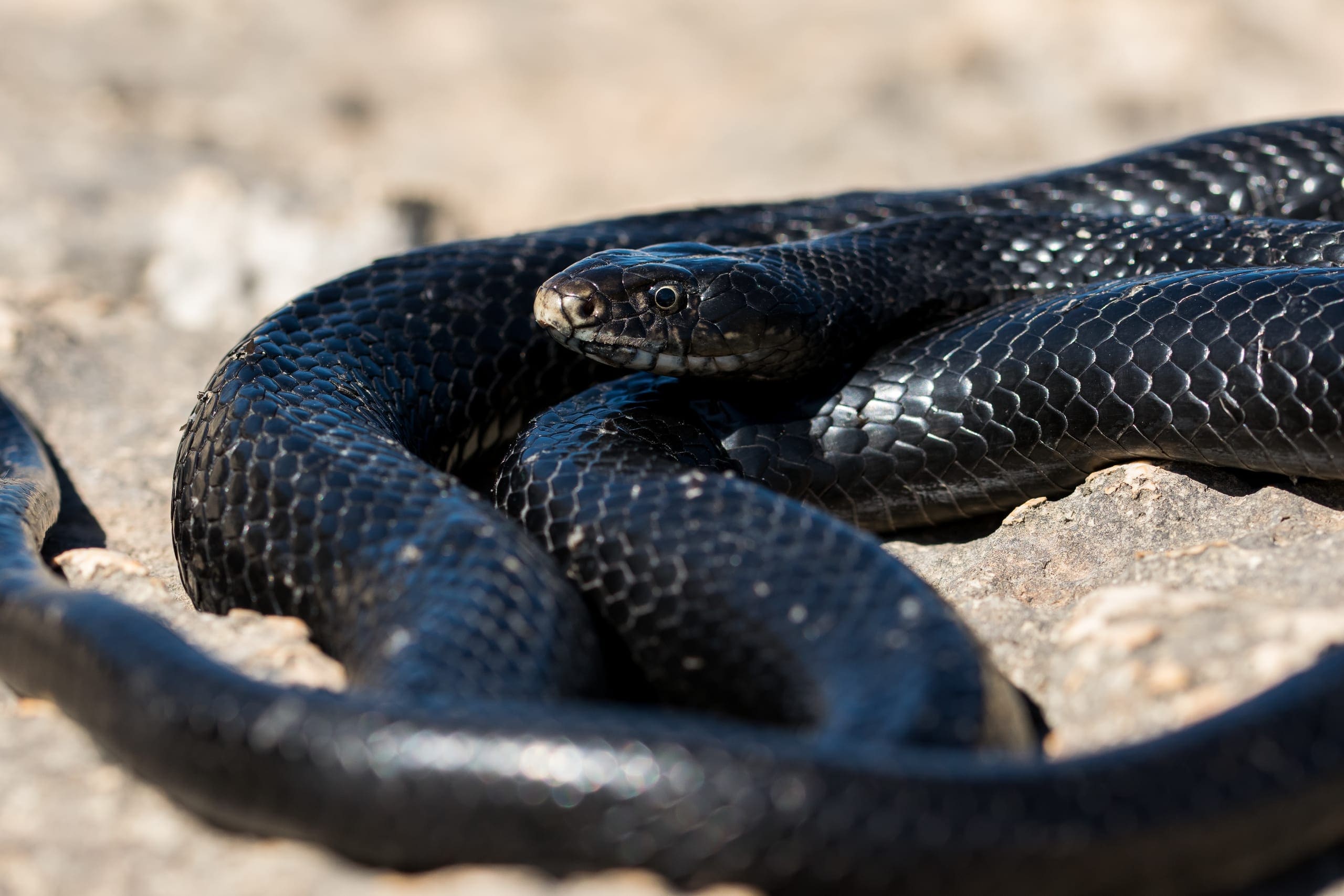
Ghost crabs, fence lizards, nesting shorebirds
Rule of thumb
Never cut new paths through grass
Pair with
Ocean beach habitat, Assateague parks
About Primary Dunes
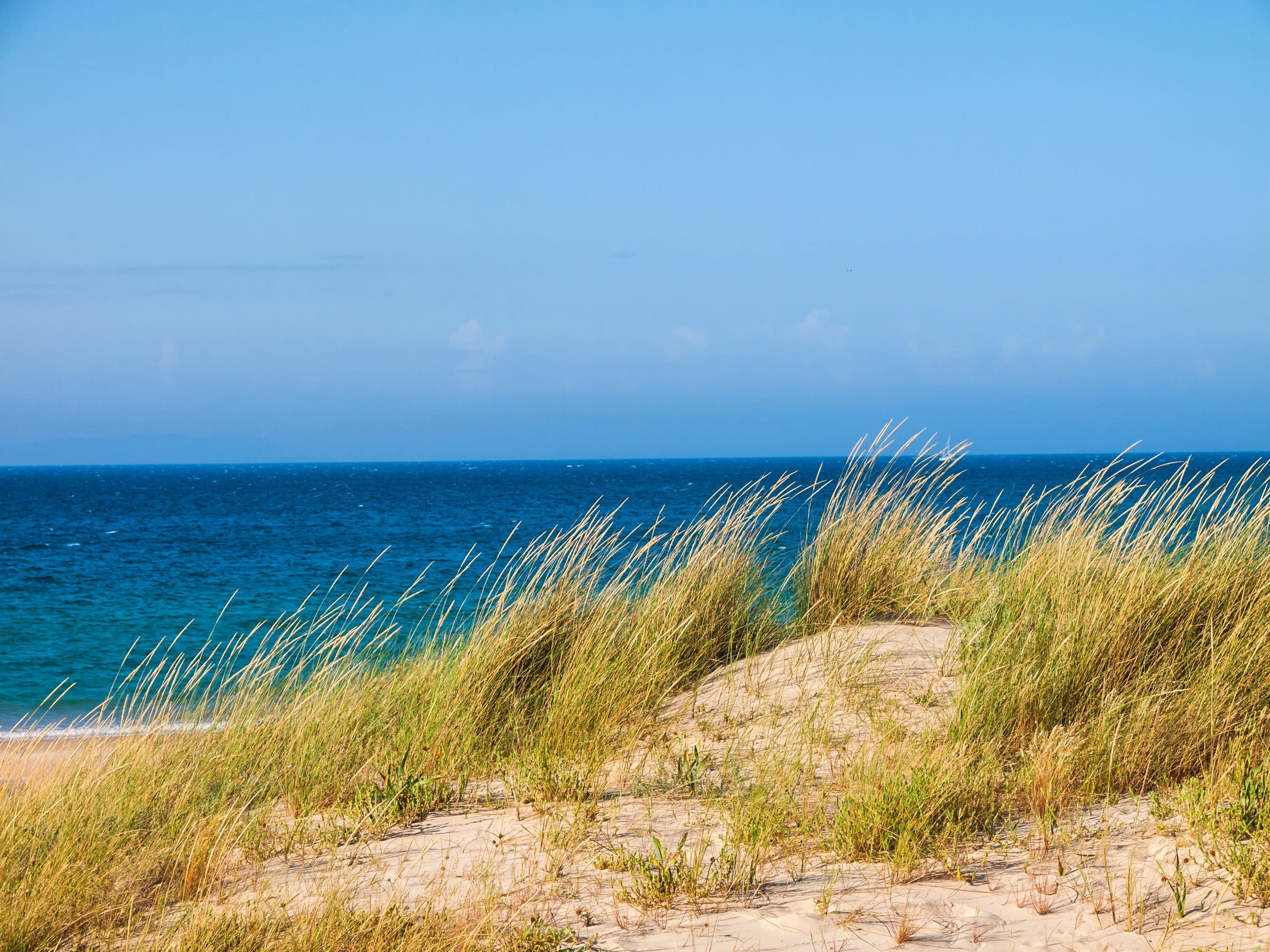
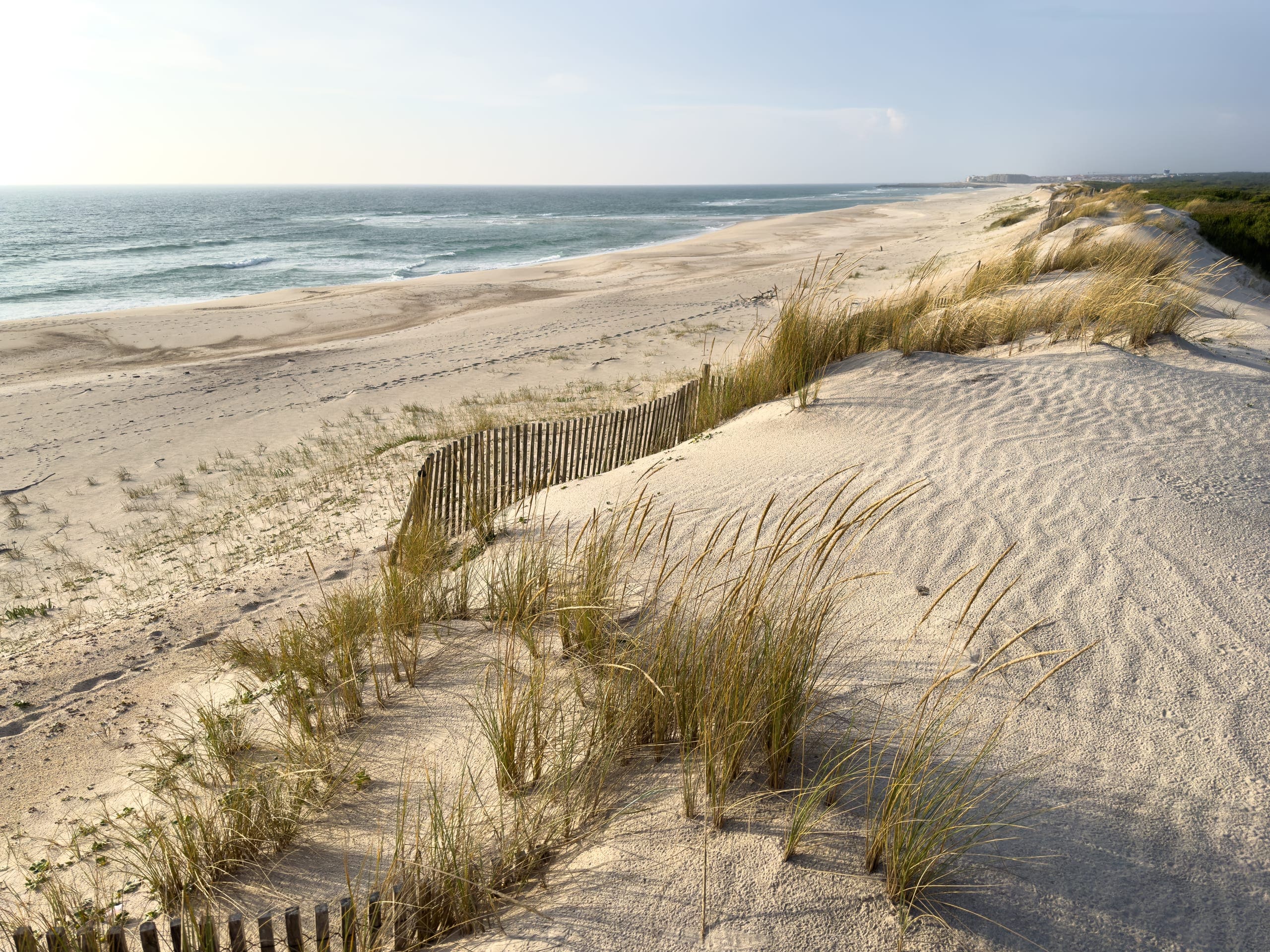
Primary dunes are Ocean City’s first storm buffer—American beachgrass and other salt-tolerant plants trap sand that would otherwise blow inland toward hotels and Coastal Highway.
Foot traffic kills dune grass quickly. Use boardwalks and posted paths. Assateague shows healthier dune ridges if you want to see this habitat with fewer footprints.
When to explore — seasonal activity
Relative wildlife-viewing activity at Primary Dunes by season (1–5 scale)
Spring
4/5
Summer
4/5
Fall
4/5
Winter
3/5
Year-round structure; storm damage and replanting are most obvious after winter systems.
What it looks like
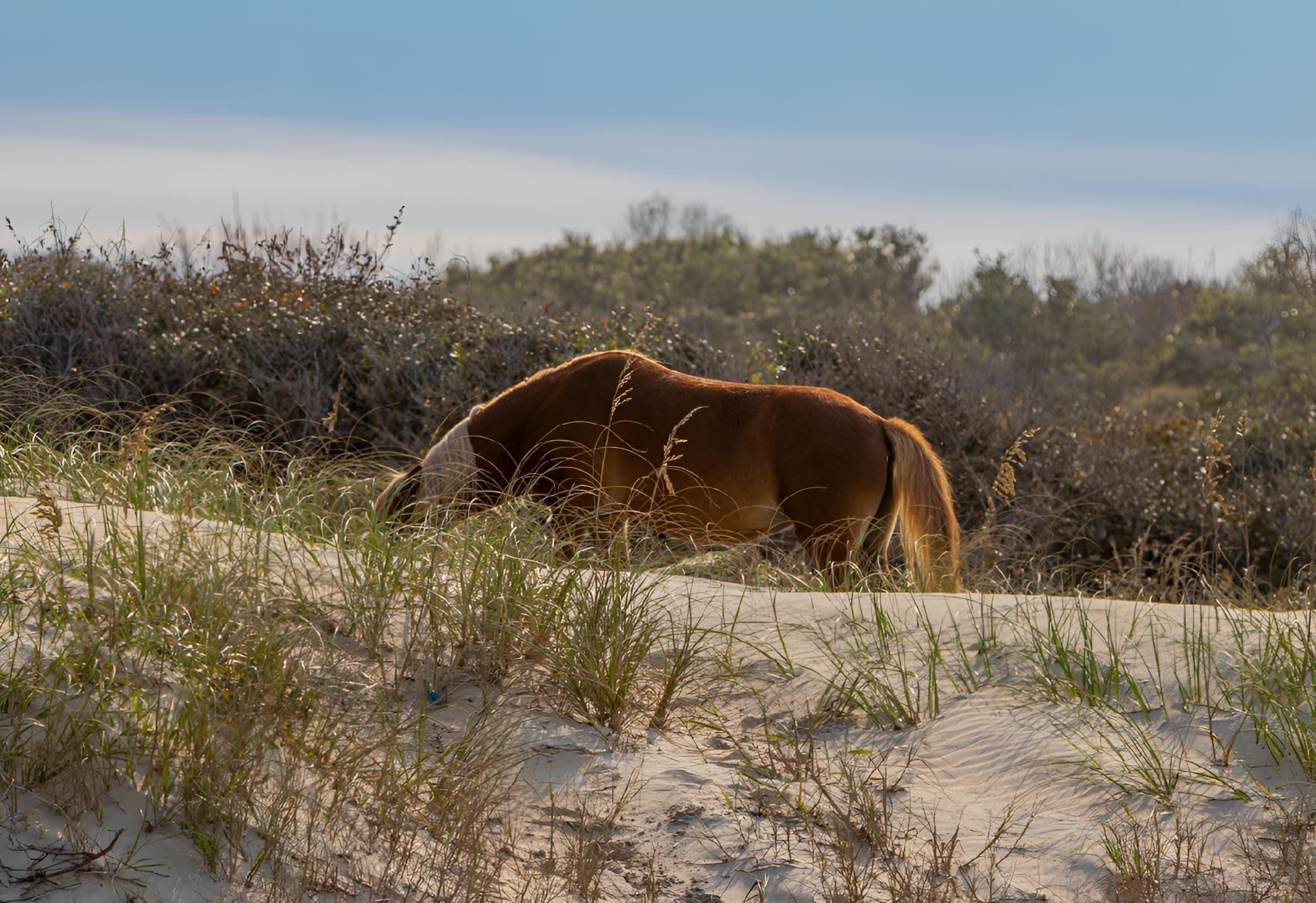
Low to moderate mounded ridge parallel to the ocean, often fenced or roped for restoration.
Beachgrass blades and runners on the seaward face; salt-tolerant forbs and shrubs on leeward slopes.
Blowouts—saucer-shaped eroded patches—show where foot traffic or storms breached the line.
Ecology notes
Dune plants trap wind-blown sand; roots and rhizomes stabilize grains that would otherwise migrate inland.
Primary dunes are the first storm buffer for boardwalk hotels and Route 50 corridor development.
Ghost crabs, fence lizards, and nesting shorebirds use dune edges—especially on less groomed Assateague strands.
Where to explore around Ocean City
Ocean-side of Coastal Highway anywhere you can legally reach the dune toe without crossing fences.
Assateague Island State Park and National Seashore ocean beaches—more intact dune profiles than downtown OC.
North end and West OC approaches where undeveloped dune patches remain between lots.
When to visit
Year-round plants; beachgrass greens up in spring; storm erosion most visible after winter systems.
Late afternoon side-light shows dune topography; nesting-season fencing is most visible late spring–summer.
Species of Primary Dunes
Nature Guide profiles tagged for this habitat around Ocean City and Assateague, Maryland.
Likelihood stars reflect how often visitors can reasonably expect the species—not a guarantee
for any single outing.
Common questions for visitors exploring this habitat near Ocean City, Maryland.
Why are Ocean City dunes fenced?
To protect restoration plantings and nesting birds. Walking on dunes flattens the ridge and can take years of beachgrass growth to repair after a single shortcut.
Where can I see healthy primary dunes near Ocean City?
Assateague Island State Park and National Seashore ocean beaches show more continuous dune lines than downtown Ocean City’s groomed strands.
Do piping plovers nest in dunes?
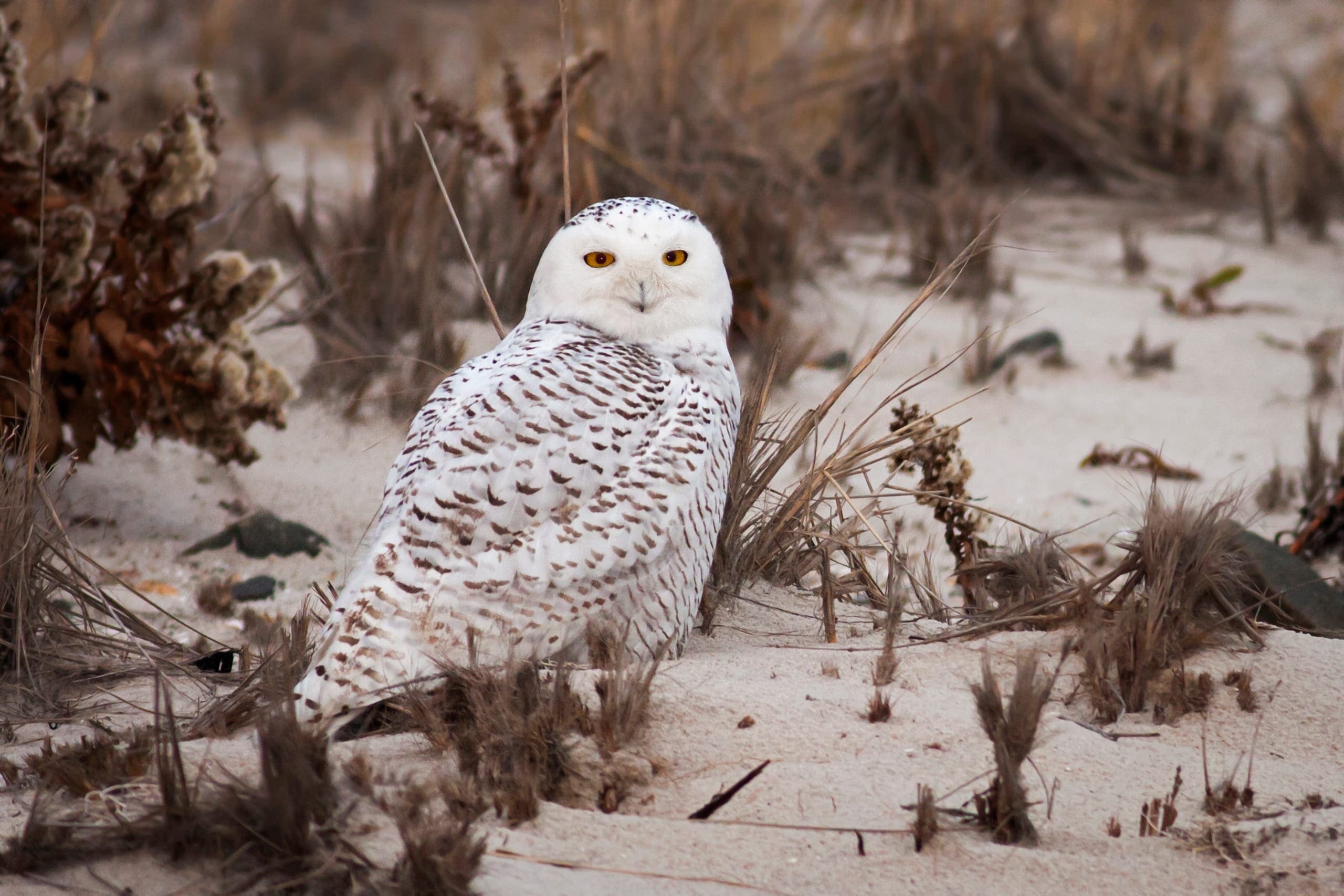
They nest on open beach and dune edges. Respect all fencing and keep dogs leashed where allowed—closures protect eggs that are nearly invisible in sand.
What plants define this habitat in Maryland?
American beachgrass is the classic stabilizer, with dusty miller, sea rocket, and other salt-tolerant species on the seaward face. See the Plants directory for profiles.