Visible at low tide from bay edges, overlooks, and by kayak; soft mud can trap ankles.
Parking
Bay parks, Assateague approaches, West OC.
Fees
Free at public overlooks; park fees if entering Assateague.
Appears at
Low tide on bay & marsh edges
Signature wildlife
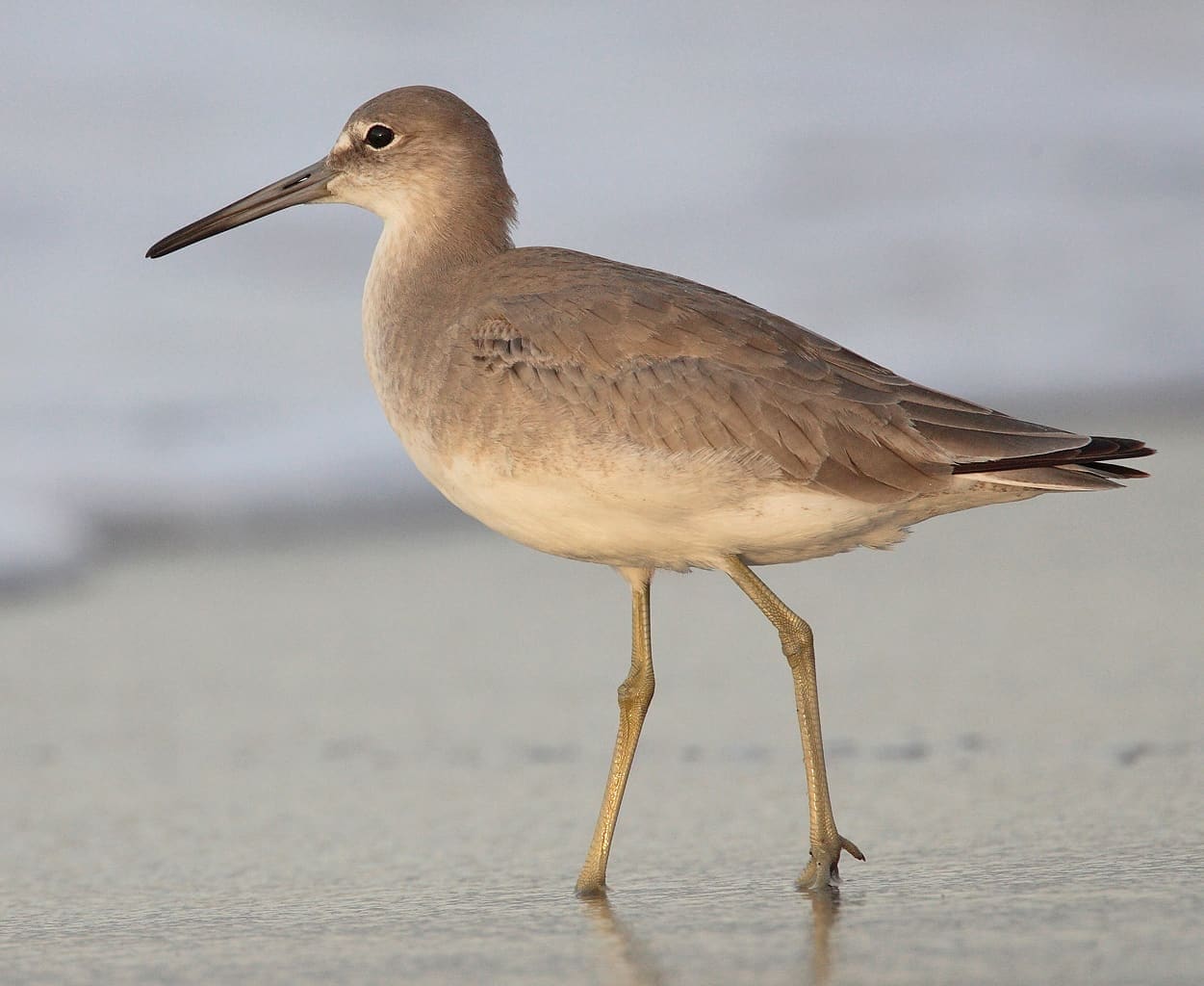
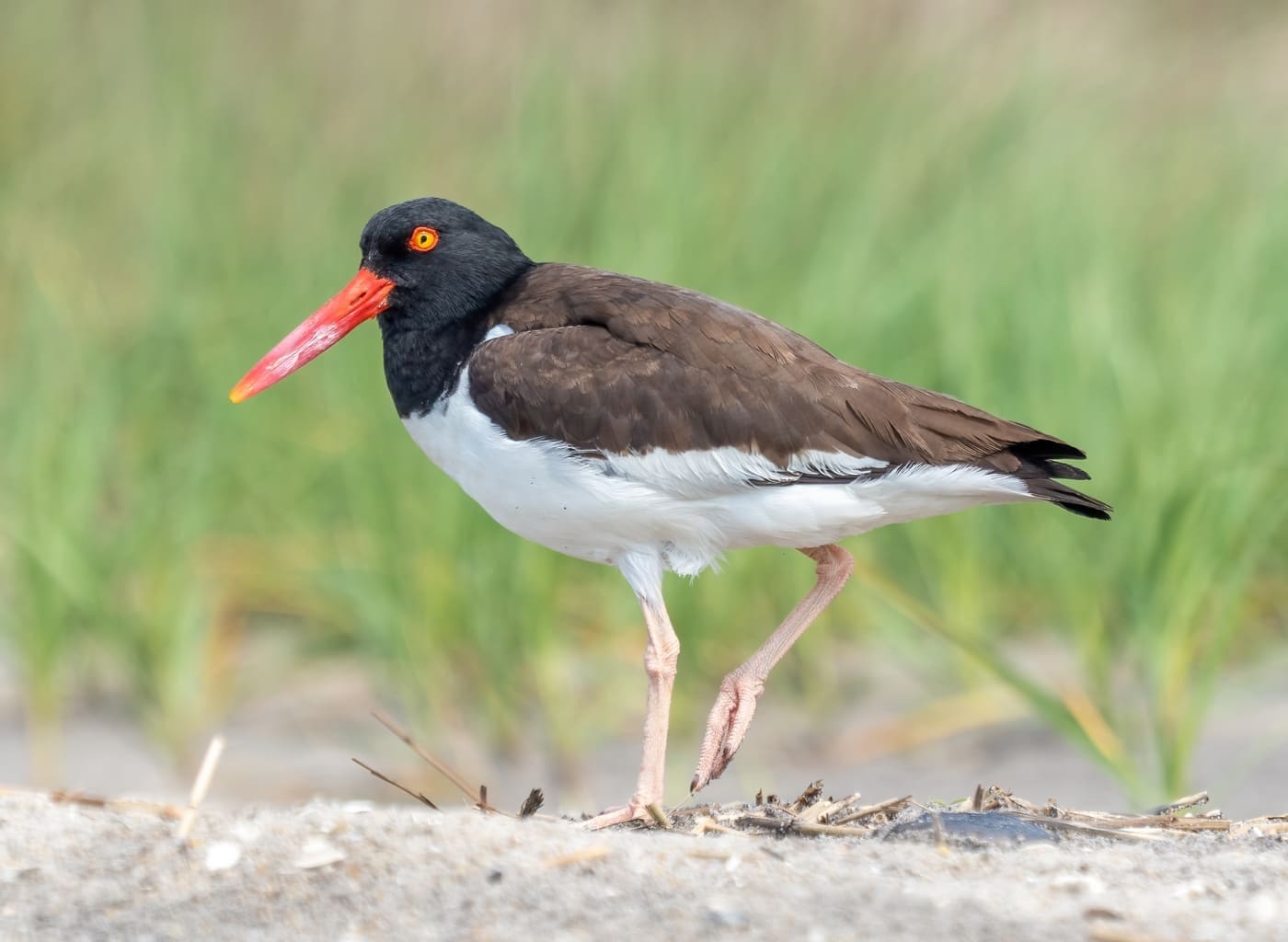
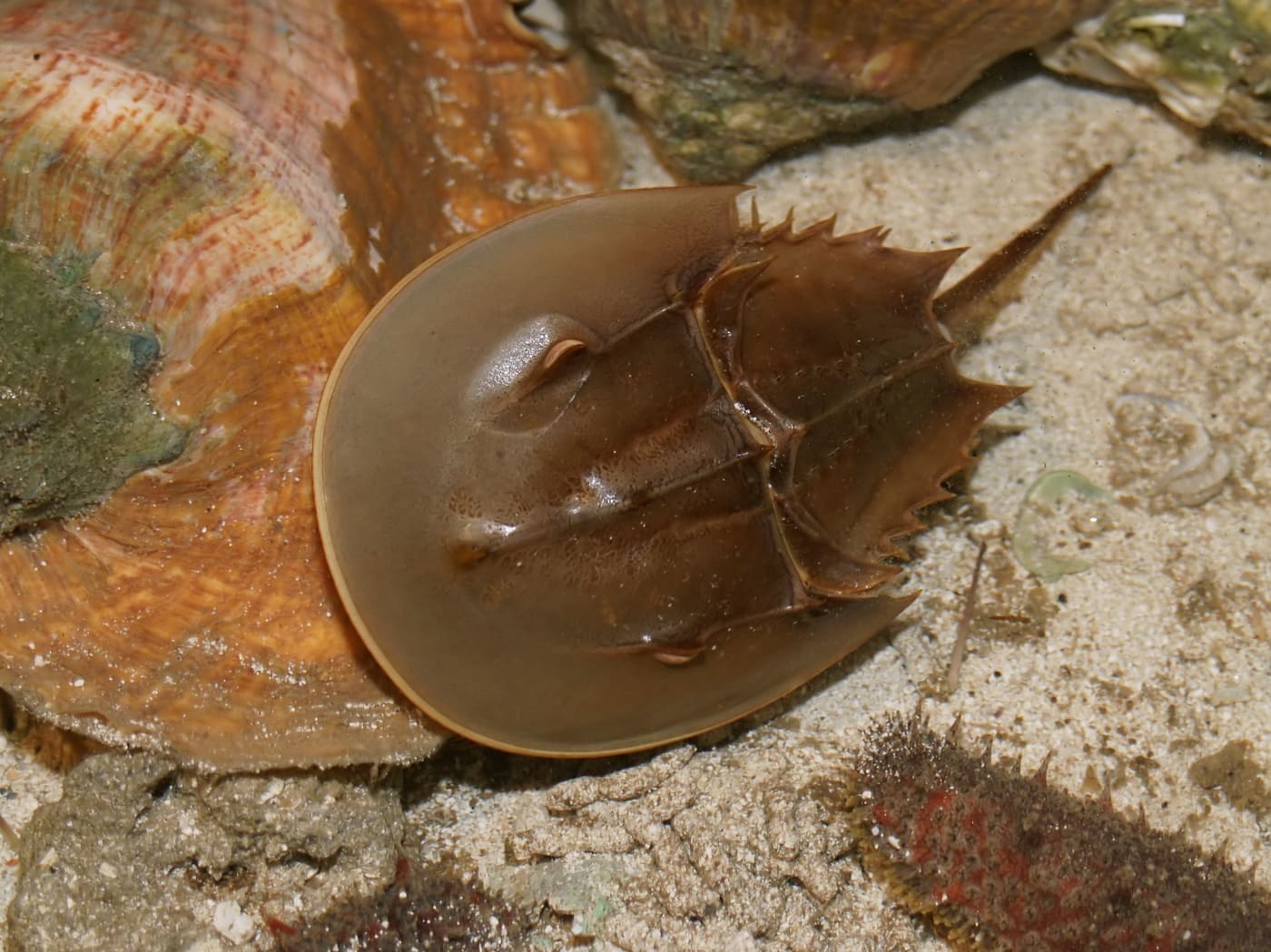
Willets, oystercatchers, horseshoe crabs
Food web role
Critical shorebird stopover habitat
Safety
Soft mud, rapid tide return
Gear
Binoculars / spotting scope from firm ground
Pair with
Salt marsh, coastal bays, Assateague bay side
About Tidal Flats
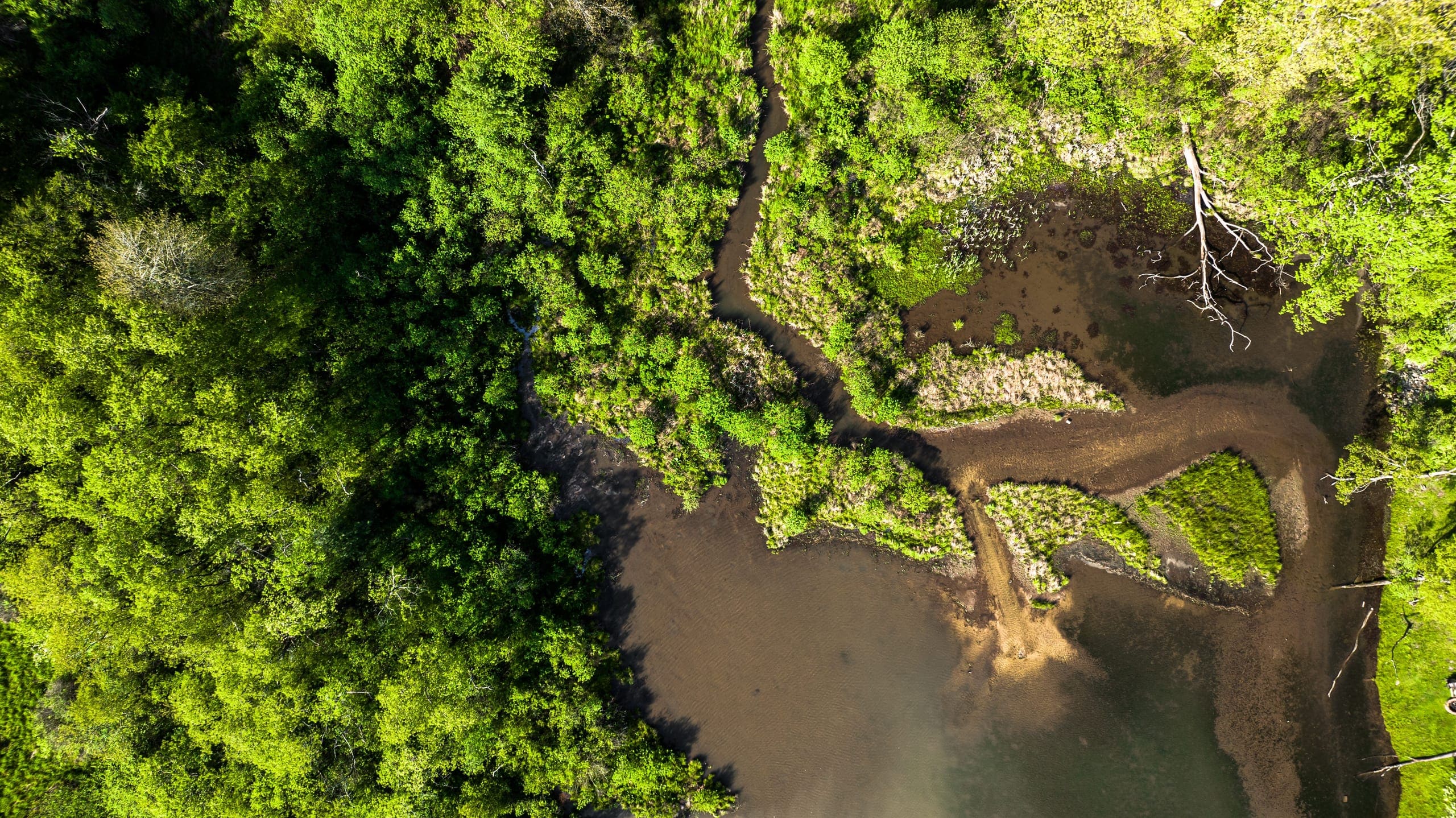
Tidal flats are the Coastal Bays’ pantry—exposed sand and mud at low tide packed with worms, clams, and films that fuel migrating shorebirds.
From Ocean City, scan flats after the tide drops along marsh edges and bay shallows. Bring binoculars; walking onto soft flats is risky and can disturb feeding birds. Shoulder-season low tides are prime.
When to explore — seasonal activity
Relative wildlife-viewing activity at Tidal Flats by season (1–5 scale)
Spring
5/5
Summer
3/5
Fall
5/5
Winter
3/5
Migration makes flats essential; midsummer mid-day can be quieter for shorebirds.
What it looks like
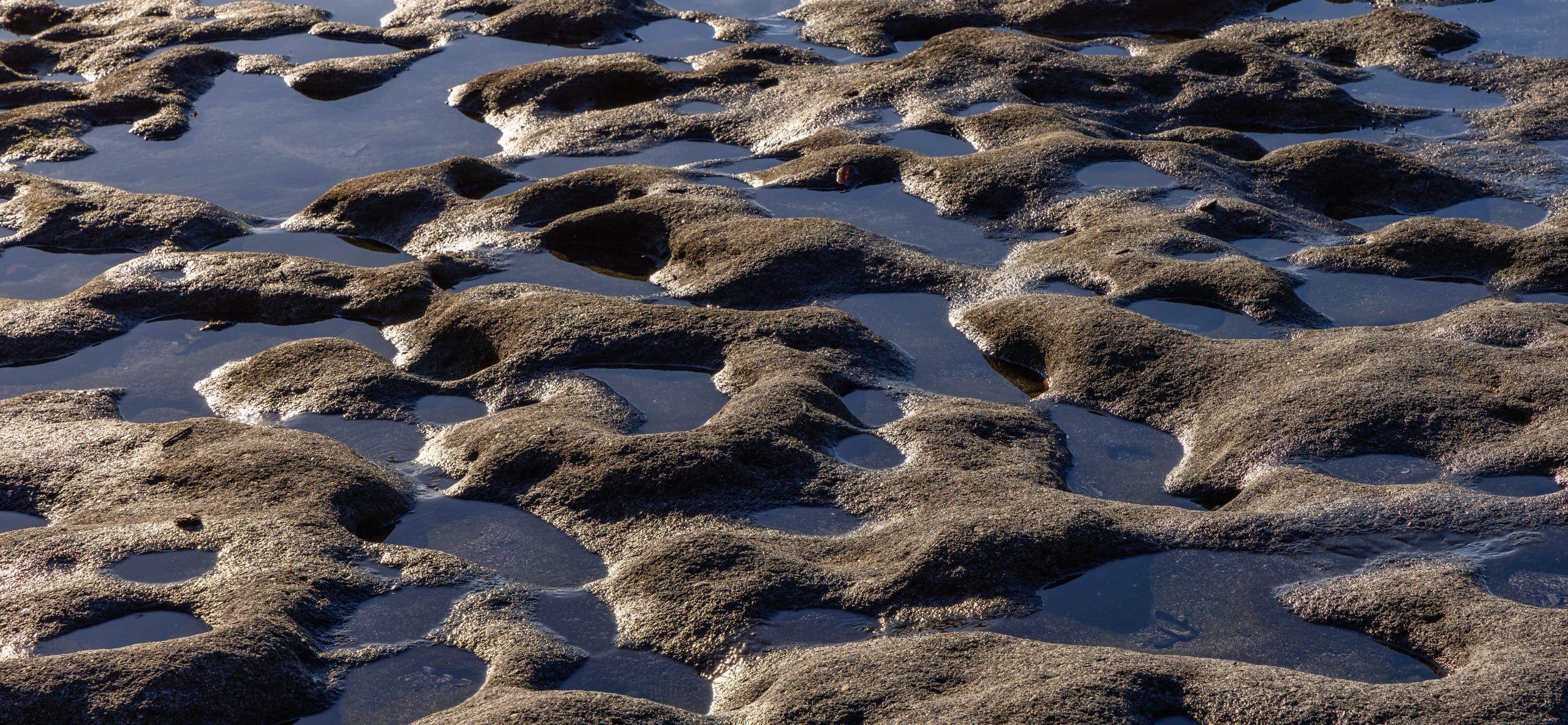
Wide gleaming sand or chocolate mud with ripple marks and crab burrow holes.
Oyster shell scatter, eelgrass wrack lines, and shallow rivulets draining off the flat.
Distant herons and terns; channel edges drop quickly—mind soft mud.
Ecology notes
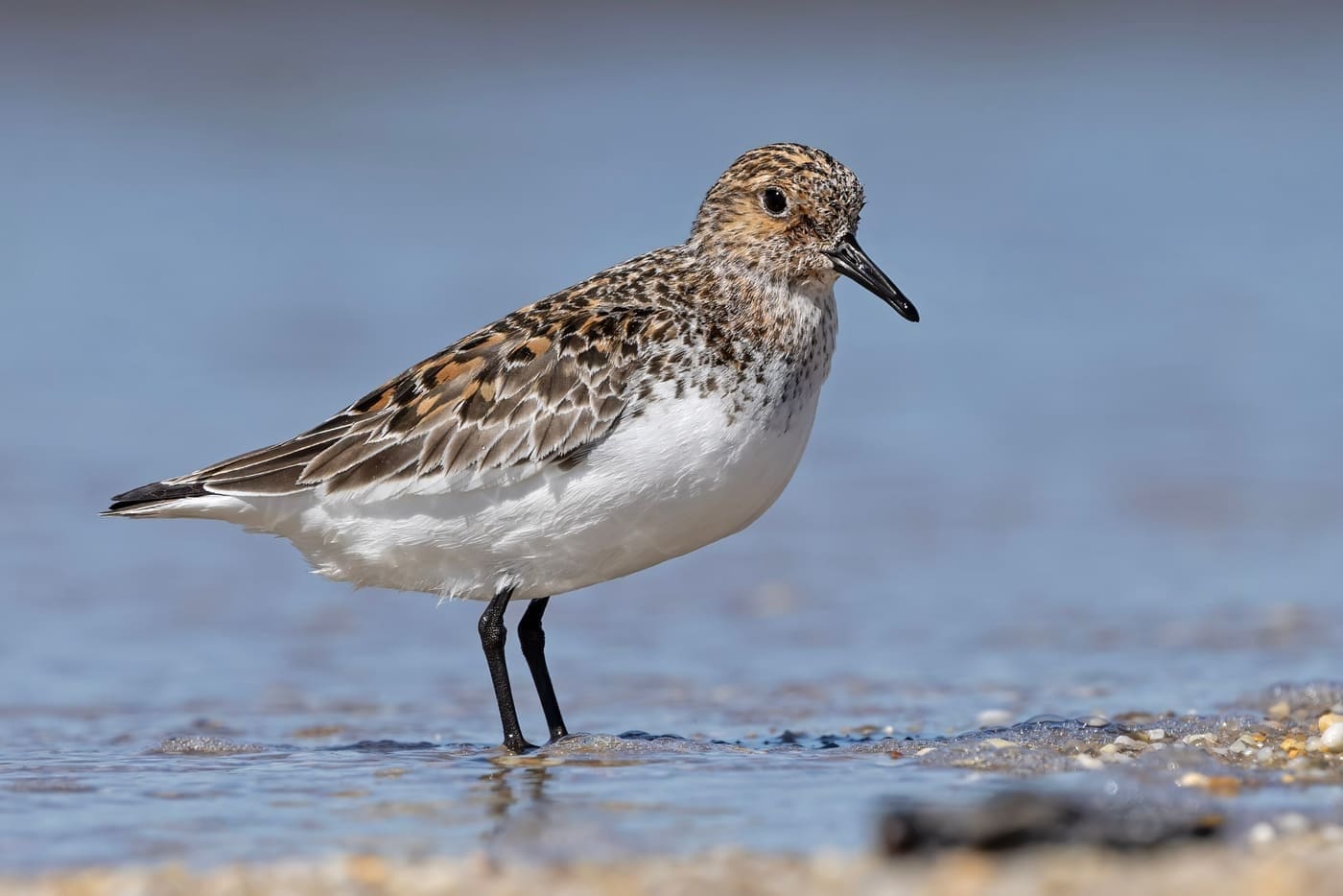
Rich inorganic films and worm beds fuel shorebirds on migration—critical stopover habitat.
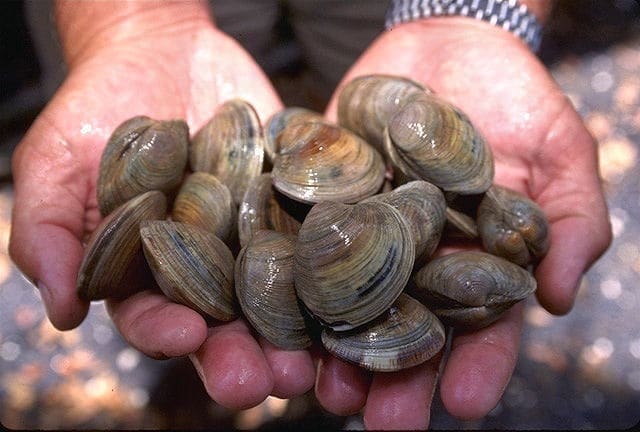
Blue crabs, horseshoe crabs, and clams bury at depth; flats are harvest and nursery grounds.
Tidal height and wind set how much flat exposes—spring tides best for viewing from shore.
Where to explore around Ocean City
Isle of Wight and Sinepuxent Bay edges at extreme low tide from public roads and parks.
Assateague bayside when rangers allow access—check park maps.
Inlet west flats visible from harbor walk areas at low water.
When to visit
Negative low tides in spring and fall; dawn for roosting shorebirds before boat wake builds.
Species of Tidal Flats
Nature Guide profiles tagged for this habitat around Ocean City and Assateague, Maryland.
Likelihood stars reflect how often visitors can reasonably expect the species—not a guarantee
for any single outing.
Common questions for visitors exploring this habitat near Ocean City, Maryland.
When is the best tide for flat birding?
The dropping tide and early low tide expose feeding habitat while birds are still concentrated. Rising water pushes them off—check a local tide chart for Ocean City / Assateague.
Should I walk out on the mudflat?
Usually no. Soft mud can strand you, and approaching flocks burns their energy. View from firm edges, docks, or kayaks that stay in deeper guts.
Are horseshoe crabs part of this habitat?
Yes—they use bay shores and flats, especially in spawning season. Give nesting and spawning animals space; they are vital shorebird food farther up the coast as well.
Which shorebirds should Ocean City visitors expect?
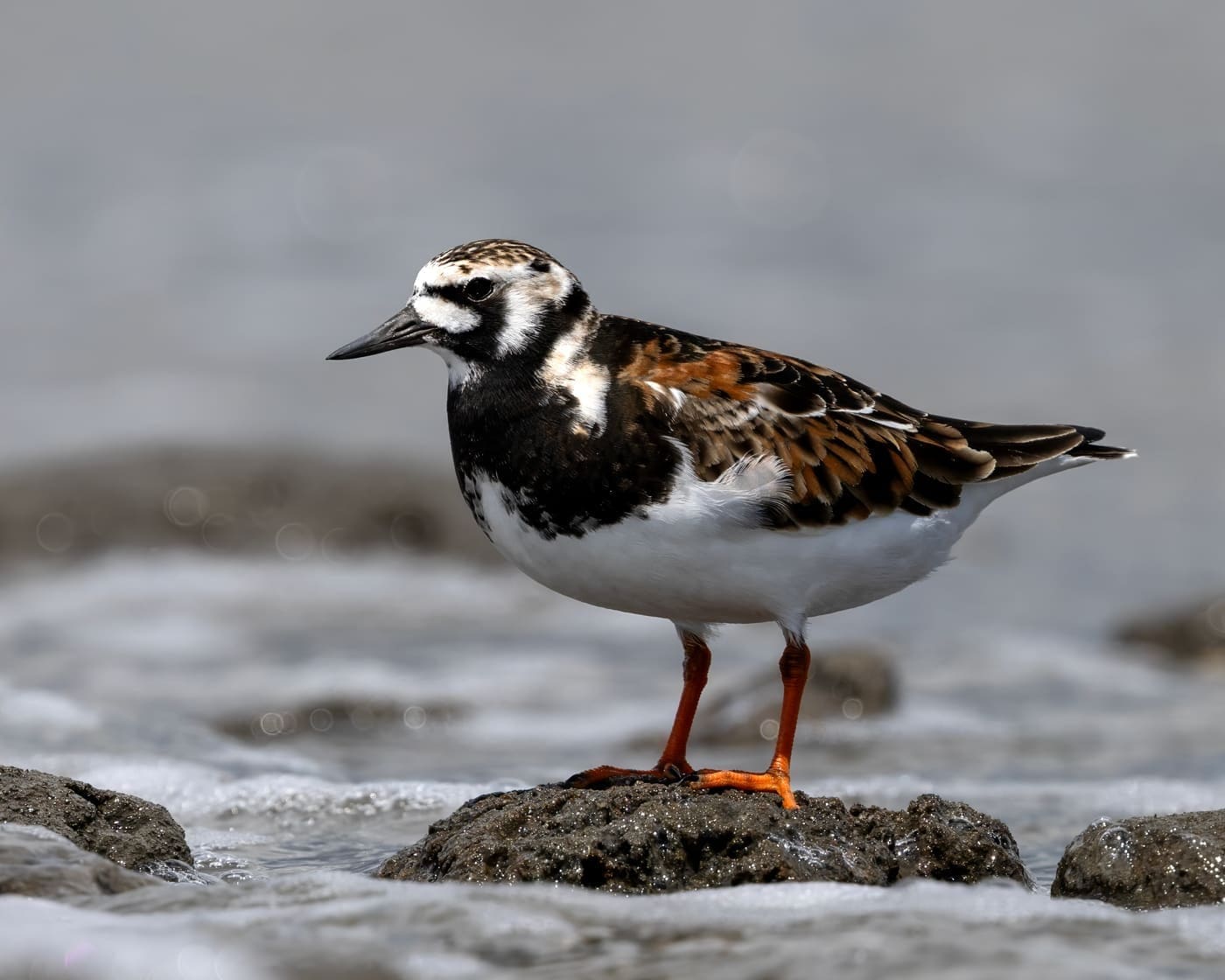
Willets, ruddy turnstones, American oystercatchers, and mixed sandpipers depending on season. See this page’s species checklist and the Birds directory for details.