Rainy day Plan B: before the yellow icon
Seattle meteorology grad student Sam Okada on reading NWS radar, building an Ocean City rainy-day stack before the forecast turns, and why Plan B is vacation engineering—not surrender.

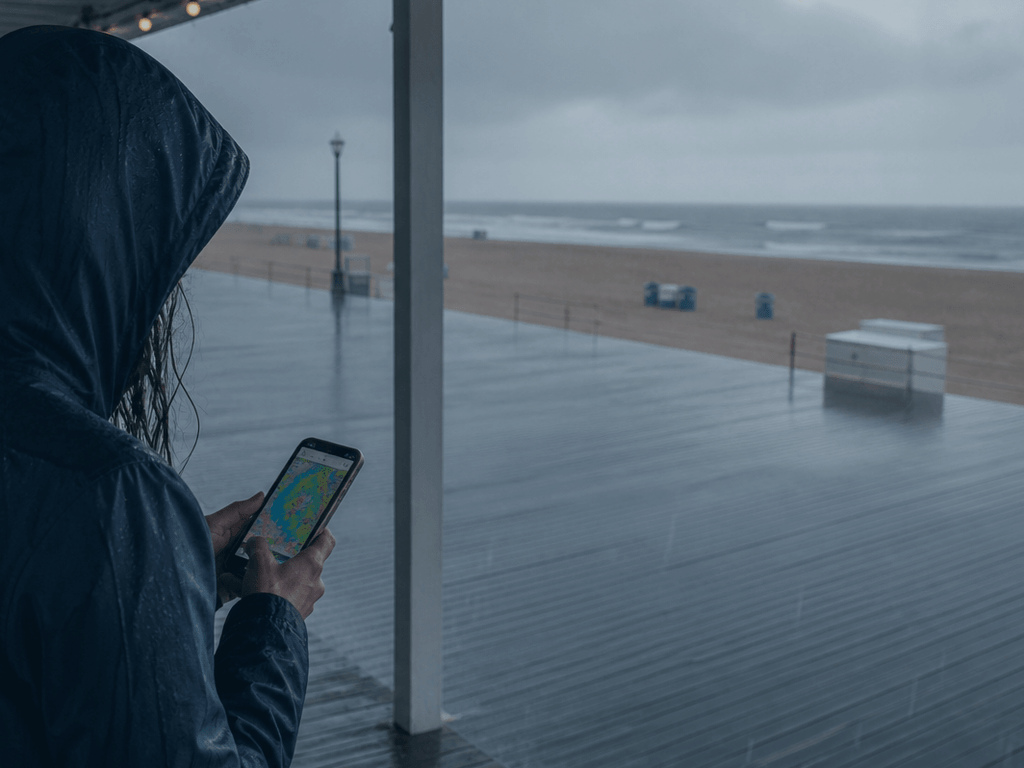
I’m Sam Okada. Seattle. Meteorology grad student. I visit the Mid-Atlantic enough to know that a yellow radar blob over Worcester County is not a personality attack—it’s information.
Here’s the answer before the story: bookmark your Plan B on arrival day, not when your phone already shows the yellow icon and everyone’s standing at the condo window performing optimism. Open rainy day ideas and weather once, pick two indoor anchors and one “light rain still works” option, and check National Weather Service for the timing of whatever’s coming—not just the icon color.
Plan B isn’t failure. It’s vacation engineering.
A real Shore day with rainy day Plan B
First OC trip with my partner’s family, I made the classic mistake: I treated rain like a Seattle drizzle and Mid-Atlantic summer storms like a mood, not a system.
We had a perfect beach morning. Cumulus towers built by noon—the kind that look scenic until they’re not. Someone said, “The app says 30%—that’s basically nothing.” I should have said: 30% in a convective environment is not “probably fine.” It’s “watch the radar.”
We ate lunch slowly. We debated mini golf. We checked the app again like it would apologize. By 2:15 the NWS had a marine thunderstorm advisory creeping south. Beach Patrol cleared the sand. We were still in flip-flops holding towels, wondering why everyone else was already walking inland with purpose.
That afternoon cost us a meltdown, a soggy Boardwalk loop nobody wanted, and my reputation as “the weather guy” for about forty-eight hours. Fair. I earned it.
The fix wasn’t becoming rain-phobic. It was building a pre-decided stack so the group didn’t have to invent a plan while lightning was already closer than the Inlet.
What rainy day Plan B actually solves
Weather apps compress complexity into cute colors. Useful for glancing. Dangerous for decisions.
What I actually check before I commit to an all-outdoor day:
1. NWS forecast discussion and hourly grid. Start at weather.gov for the Ocean City / Salisbury area. Look for timing: when storms initiate, when they decay, whether the risk is isolated pop-ups or a organized line.
2. Radar, not vibes. Yellow on a map usually means precipitation somewhere in the layer—not necessarily over your beach chair. Animation matters. Is it building toward you or sliding offshore?
3. Marine vs. beach forecast. OC sits where land breeze, bay heat, and ocean air argue. A “partly cloudy” beach forecast can still mean ugly cells on the water by afternoon. If you’re boating or fishing, marine guidance gates the morning harder than the beach does.
4. Beach Patrol and Town guidance. When flags change or the sand clears, that’s operational reality—not a suggestion to wait five more minutes for the perfect photo. Town of Ocean City Beach Patrol is the authority for the beach itself.
I’m not asking you to become a forecaster. I’m asking you to spend ten minutes on arrival day so you don’t spend two hours in a parking lot argument on day three.
Stage rainy day Plan B before the day gets loud
Think in tiers. Rain in OC isn’t one flavor—it runs from misty Boardwalk walk to “everyone inside now.”
Tier 1: Light rain / gray but functional
- Covered Boardwalk stretches with coffee and people-watching
- Museums or shorter indoor stops that don’t require a whole-day commitment
- Mini golf under cover if wind isn’t nasty—see mini golf
Tier 2: Steady rain, no lightning (yet)
- Arcades with a time box so tokens don’t eat the week
- Pool/hotel indoor time if your lodging has it—lodging questions matter here
- Shopping loops with an exit strategy—Nina’s posts on routing beat wandering aimlessly
Tier 3: Thunderstorms / Beach Patrol clearance
- Fully indoor anchors from rainy day ideas
- Food as activity: early dinner, long lunch, snack diplomacy
- Do not camp under a pier canopy hoping the storm “blows through” on your schedule
Write two Tier-2 picks and one Tier-3 pick on a sticky note. When the icon turns yellow, you’re executing a plan—not hosting a democracy.
Where rainy day Plan B costs patience here
| Window | Move |
|---|---|
| Morning (beach maybe) | Short sand window if flags allow; bail early if towers build |
| Midday pivot | Tier 1 or 2 depending on radar trend |
| Afternoon | Commit to indoor—splitting the difference keeps everyone damp and cranky |
| Evening | If storms exit, golden-hour Boardwalk walk; if not, food + one indoor spark |
The mistake I see most: half-pivoting. The group goes inside for twenty minutes, then someone says “it looks brighter” and you march back out into the leading edge of the next cell. Pick a lane for two hours. Reassess with radar, not hope.
Shortcuts that backfire on rainy day Plan B
Mid-Atlantic summer rain isn’t Seattle rain. After a storm, humidity can spike and make everything feel heavier than the thermometer says. Ocean City climate helps set expectations—especially if you’re visiting from drier air.
If the day is hot and stormy, indoor Plan B isn’t just comfort. It’s heat management. Kids, older adults, and anyone who pushed a beach morning hard will crash faster when the sun returns behind steam.
The detail everyone skips with rainy day Plan B
Does a yellow icon mean the day is ruined?
No. It means look at timing and have a stack ready. Many yellow days still have usable windows.
Should we cancel boat plans at the first rumble?
If you can hear thunder, you’re not “probably fine.” Marine forecasts and local guidance beat bravado. Boating days need stricter gates than beach days.
Is the app enough?
For glancing, sure. For committing a whole family day, use NWS and official sources. Apps disagree. NWS is the reference frame I trust.
What if everyone wants different Plan B options?
Decide tiers in advance. Two indoor votes max. Democracy during lightning is chaos.
Next step: open rainy days and weather, pick your two indoor anchors and one light-rain option, and save the NWS page for Ocean City before you unpack the boogie boards. When the yellow icon shows up, you’ll move—not panic.
Also on OCEANCITY.MD: Weather · Rainy day ideas · Travel tips · Boating · Beach Blog
Helpful outside the site: National Weather Service · Town of Ocean City Beach Patrol · Visit Ocean City