Inshore bay guides
Some boats have a full guide (write-up and FAQs); others are a basic listing (name, phone, and trip type). Call to confirm details before you book. Use the trip-type picker on the main directory when you are unsure which experience you want.
Not in our directory yet? Browse the committed Charter Boat Directory listings grid (marketplace crosswalk).
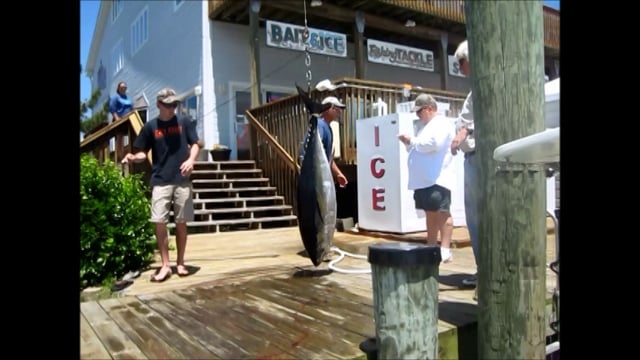
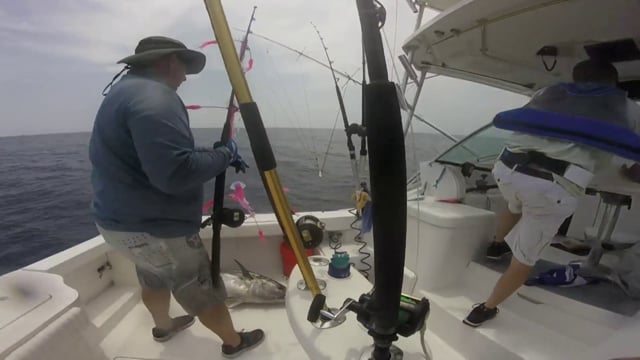
For a more personal fishing experience, Ocean City, Maryland inshore private guides run fully crewed bay charters sized for smaller parties—whether you want a kid’s first summer flounder or you are dialing in rockfish (striped bass), tautog, drum, and light-tackle bluefish when runs show.
What anglers call inshore bay fishing happens in the calmer bayside waters, tidal rivers, and back creeks, with some outfits adding short nearshore wreck shots when wind, sea state, and regulations line up. Typical skiffs run about eighteen to twenty-five feet—nimble enough to work shallow flats and twisting creeks that big offshore hulls cannot justify.
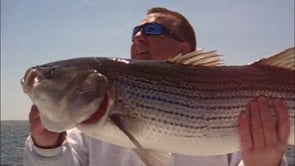
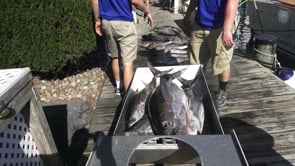
Common targets include flounder, rockfish (striped bass), tautog, sea bass, red drum and black drum, weakfish, and bluefish. Many captains also bundle seasonal clamming and crabbing for a full Eastern Shore table day. Always ask which species are realistic for your exact week—directory cards below orient styles; they are not a live season guarantee.
Most private bay guides cap around four to six guests. Operators hold U.S. Coast Guard credentials and deep local knowledge. Many packages include Maryland fishing licenses, bait, rods, and tackle, but you should still confirm inclusions, cancellation weather holds, trip length, and mate gratuity norms before you pay. Blocks often run three to six hours, with custom or split itineraries when families want pots, rakes, and rods in the same outing.
Flounder stays a headline species from late spring through October: early and late windows often produce the heaviest fish, while midsummer keeps steady drifting action. Crews work bait drifts over clean bottom, casts around bridge pilings and structure, and—when you are mixing gear—an occasional flounder near legal crab gear. Rockfish, called stripers locally, turn up year-round around bay structure and the inlet; fall and winter can bring larger migratory fish, while Route 50 bridge shadows and inlet rock at first light are textbook spots for drifted live bait, soft plastics, bucktails, or modest trolling spreads.
Pricing swings by calendar, duration, and add-ons, so compare several directory rows before you wire a deposit. Private bookings buy flexibility on pace and targets; split fishing-plus-crabbing or clamming trips stay popular with families. Spring and fall weekends book first—reserve early, pack layers for predawn meets, and read current Maryland size and creel rules even when captains brief you at the rail.
When you want shared rails, a pontoon party, or your own helm instead of a private guide, contrast modes with the main charter trip-type picker, then open the head boats hub, fishing-oriented boat rentals, or the wider boat and jet ski rental index so invoice, crew count, and liability match the day you pictured.
Mixing crab pots, clam baskets, or rake days with casting? Layer crabbing and clam charter primer with regulations verify before you promise keepers. For shared rails, pontoon days, or your own skiff, pivot through head boats, fishing boat rentals, and boat and jet ski rentals after the trip-type picker lines up crew count and price band.
Full charter directory · Charter Boat Directory listings · Head boats hub · Fishing boat rentals · Regulations orientation · Category counts on fishing hub
Meet-ups and land legs: travel tips (dawn departures and bridge time), marinas, transportation, water taxis (passenger hops, not a charter substitute)—confirm gate and lot language with your operator. When festival detours or beach rules move parking, use official portals so tourism headlines are not mistaken for Town posts.
Weather blow-off or rest day on land? Mini golf, arcades, sports, and sightseeing live in things to do — activity minisites.
Bay and inlet days disagree with sunny beach apps—read beach forecast vs inlet chop after you open marine weather steps.
Use this inshore bay guides category hub
Same steps appear in structured data—listings below are directory rows; confirm policies with operators.
- Sort bay vs offshore with the charter trip-type picker: Private bay guides, head boats, and offshore privates read differently on paper—use the main directory picker before you assume a six-pack bay trip matches a party-boat invoice.
- Walk the Bay Guide boats editorial steps: Open the bay guide trip planner for deposits, weather holds, and question lists—then confirm gear, licensing, and cancellation language with the operator you choose from the rows below.
- Verify regulations for your date and targets: Walk the fishing regulations verify steps for Maryland and federal references—directory cards are not legal advice.
- Layer marine weather, tides, marinas, and shopping retail: Bay days still fight current and inlet chop—pair fishing weather marine steps with plan-with-tide-tables, the marinas meet-up planner, and shopping hub fishing and boating retail before you lock meet times.
- Confirm dock meet-ups like airport timing: Pair marina dock notes with travel tips bridge buffer and transportation so wrong-lot mistakes do not miss cast-off.
- Compare DIY fishing boat rentals if you want the helm: When you want your own hull, read the DIY fishing rental day planner—rentals mean contracts and compliance at the rail, not a captain-led bay lap.
Primary planning links
- Bay Guide boats — book a trip (steps)
- Fishing hub — plan a fishing day
- Charter directory — trip-type picker
- Charter Boat Directory — listing index (marketplace crosswalk)
- Fishing regulations — verify steps
- Fishing weather — marine weather steps
- Ocean City tides — plan with tide tables
- Ocean City marinas — plan a meet-up
- Shopping hub — fishing & boating retail
- Travel tips — bridge buffer for fishing days
- Article — beach forecast vs inlet chop
- Fishing boat rentals — DIY day planner
- Fishing hub — crabbing & clam charters
- Head boats — plan a head boat day
- Boat and jet ski rentals
- Ocean City Info — official portals (Town vs tourism vs forecasts)
Listings in this category (3 total · 3 full guides first )
Full guides sort first, then basic listings (phone and trip type—confirm details with the captain).
-
 Get Sum Sport Fishing Charters
Full guide
Inshore bay guides Ocean City Fishing Center Capt. Nick Clemente 26′ Custom bay charter boat (plus Pathfinder Ivy Sea for custom nearshore) (410) 430-5709 getsumcharters.com Flounder, Speckled trout, Bluefish… Ocean City bay specialist since 2001. Capt. Nick Clemente, family-friendly half-days from OCFC.
- Just A Toy
Full guide
Inshore bay guides Sunset Avenue — West Ocean City (confirm meet gate with captain) Capt. Robert Anderson 30′ 30′ Century center console; major refit in 2018 with twin Verados (operator and platform notes). 443-880-7516 justatoycharters.com Striped bass, Summer flounder, Spotted seatrout… West Ocean City bay charter on a 30′ Century center console. Twin Verados, coaching-first inshore days, and family-friendly rail space.
- OC Guide Service
Full guide
Inshore bay guides Ocean City Fishing Center charter roster / bay staging Capt. Kyle Pelino 29′ 29′ SeaVee (marina roster description). 856-357-3113 www.oceancityguideservice.com Flounder, Striped bass, Tautog… A nimble 29-foot SeaVee set up for families who want bay scent on their hands without committing to a canyon mortgage. Plus longer pulls when the group wants structure fishing offshore.