Cobia in Ocean City, Maryland
Cobia are big brown fighters from the jack family that swim near rays and structure and smash eel baits on sight-cast days around Ocean City. This page covers when they show, how to fish for them, and why Maryland rules differ from what you see on southern social feeds.
Not in our directory yet? Browse the committed Charter Boat Directory listings grid (marketplace crosswalk).
Editorial only. Cobia are federally managed in U.S. waters; Maryland seasons, minimum sizes, and by-mode rules change. Do not use an old printout—read Maryland DNR, NOAA Fisheries — cobia for federal context and links to current measures, and our verify steps. This page is not a one-click permit. Weather: NWS/NOAA + fishing-weather. Town + state: official portals.
Cobia in one glance
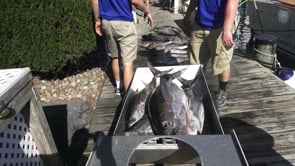
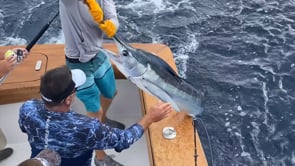
Cobia (Rachycentron canadum) is long, dark-backed, and shark-ish at a glance, with a flat head, single dorsal, and a habit of following big rays, turtles, and structure like it owns the neighborhood. Fights are long and dirty—plan leaders, gaff/landing ethics, and ice before you get your hero shot.
Where the run shows
Near the beach, along color changes, and on structure that holds bait is the usual Mid-Atlantic script: scan for rays, work live eels and big swimbaits with intention, and stay aware of mackerel and bluefish in the same class when birds go wild.
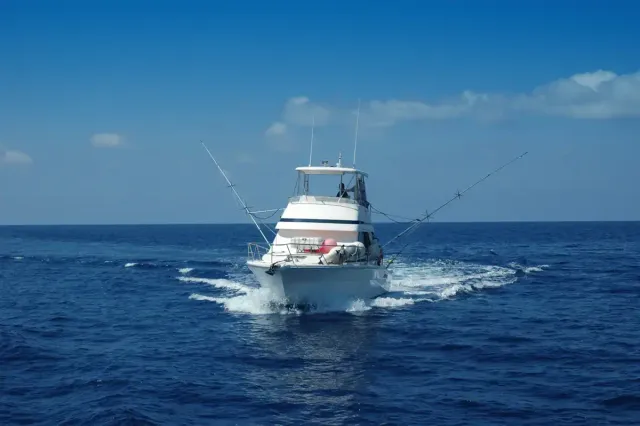
Nearshore trolling and wreck/structure days overlap the cobia conversation—one rail discipline does not automatically transfer; ask the captain what the target spread is.
Bait, lures, and fight discipline
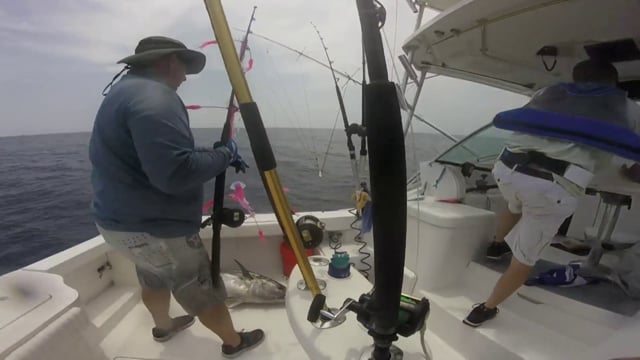
- Live eels, pinfish, and large swimbaits (where legal) when sight-fishing; control the line on the first run to stay out of the prop and out of another boat’s troll path.
- Heavier sticks than trout-class gear—under-gunned play exhausts big fish in warm water.
- Identification of legal size: measure with the fish supported, not stretched by two excited teenagers on a heaving deck.