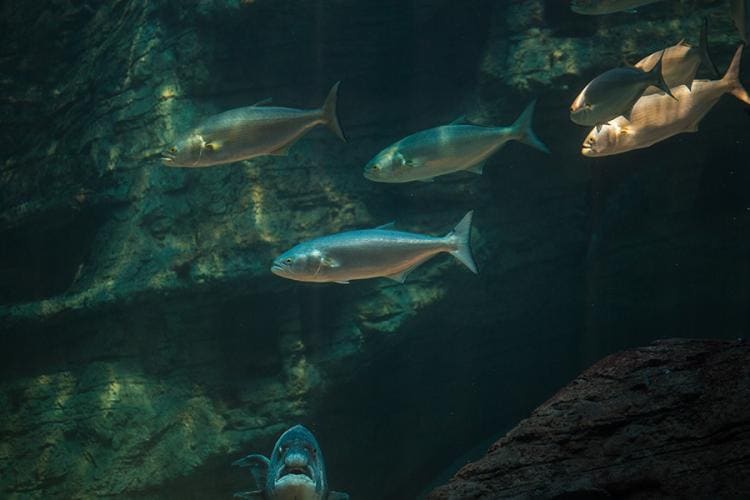
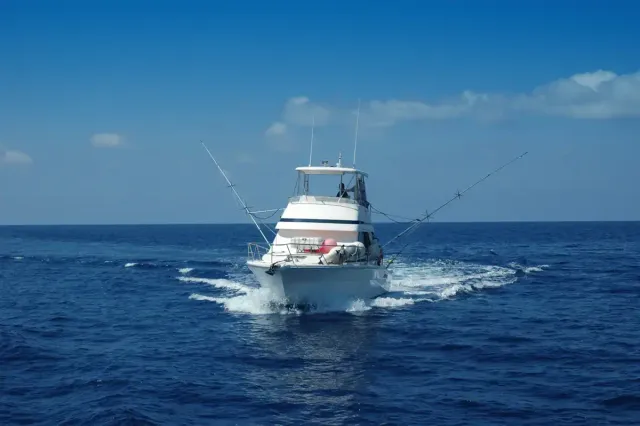
False albacore (little tunny) in Ocean City, Maryland
False albacore are the inshore tuna blitz fish with hard tails and serious speed when bait and wind line up off Ocean City. This guide covers the run-and-gun bite, fly and light-tackle tactics, and why ID and compliance still matter when the foam is boiling.
Not in our directory yet? Browse the committed Charter Boat Directory listings grid (marketplace crosswalk).
Editorial only. “Albie” or “false albacore” fishing touches federal tuna/mackerel–family compliance when your trip overlaps HMS reporting or retention rules. Read NOAA — Atlantic HMS and Maryland DNR for the season you actually fish, then walk OCEANCITY.MD verify steps. In foam, juvenile bluefin and little tunny can be a dangerous ID—when unsure, do not bet your permit on a social clip. NWS/NOAA, official portals .
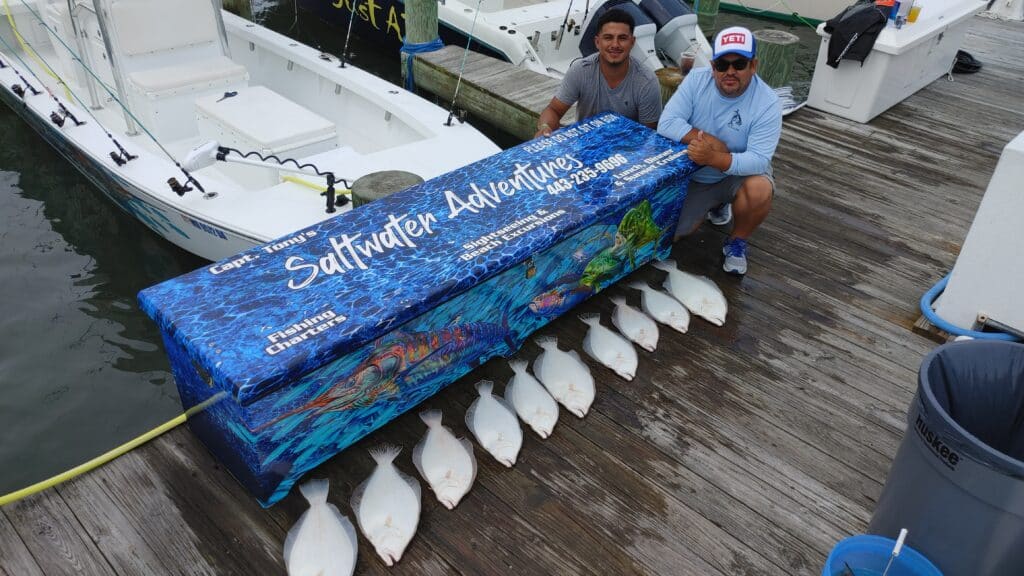
What a little tunny is
False albacore / little tunny (Euthynnus alletteratus) is a small tuna tribe fish with finlets, a dark mackerel back, and a habit of crushing bay anchovies and silverside balls against the bar. The fight is outsized; the fillet is a separate conversation—most crews treat albies as a light-tackle sport fish, not a table prize.
Epoxy jigs, wire, and courtesy
- Run-and-gun boats: yield to the fish already hooked; do not set a 90-foot cast across a school someone else is on.
- Tippet and knots when albies are leader-shy: fresh fluor, loop knots, and a drag setting that does not turn a 20-inch fish into a 40-minute public meltdown in October wind.
- ID prudence in mixed tunny/bluefin rumors: a wrong hero photo can be an expensive year— follow NOAA and state guidance for any retention question.
Neighbors in the blitz
Blues, Spanish mackerel, and (sometimes) other tunas share the same color change. Leaders and hook choices that survive blues may look “heavy” to a picky albie; balance gear to the class you are actually feeding.