Bigeye tuna
Thunnus obesus. Mid-Atlantic bluewater context from Ocean City, Maryland.
Not in our directory yet? Browse the committed Charter Boat Directory listings grid (marketplace crosswalk).
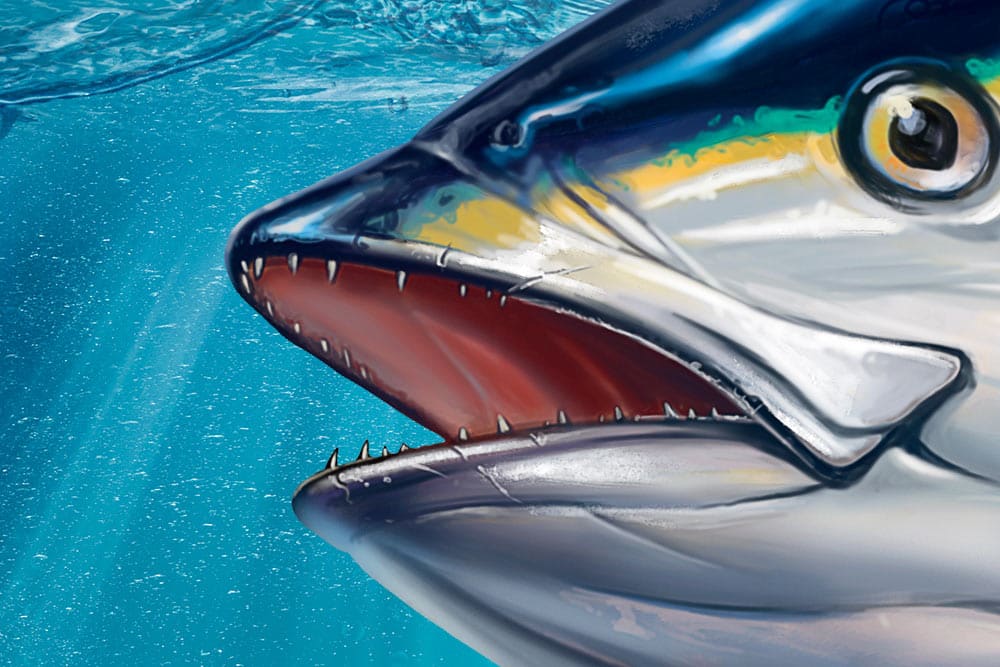
Source category for imagery & original species essays: https://instigatorsportfishingcharters.com/product-category/what-we-catch/big-eye-tuna/ — adapted here for Ocean City, Maryland readers without Outer Banks or South Carolina trip packaging.
Why this fish matters off Ocean City
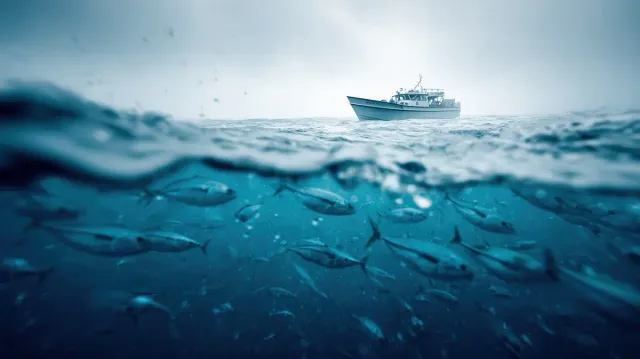
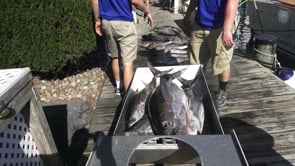
Bigeye are the tuna that teach you respect for twilight. They stack thermoclines, show on sonar as stubborn arches, and often feed hardest when the spread goes dim—just before dark or at first gray light—while still willing to crash daytime spreads when bait balls compress against canyon walls.
Atlantic bigeye are managed as part of the HMS complex. Anglers owe clean handling, legal sizes, and accurate reporting when required. This page is orientation only; NOAA Fisheries and state rules win every argument at the ramp.
Ocean City & canyon context
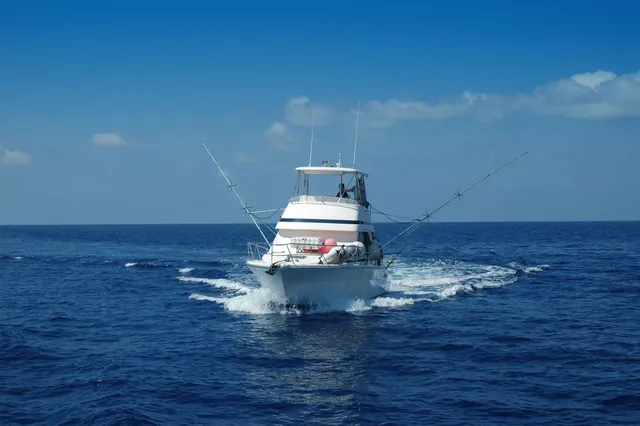
From Ocean City, bigeye hunts overlap yellowfin and bluefin programs—boats staging at the Ocean City Fishing Center or neighboring marinas run long days toward Wilmington, Baltimore, or Washington canyon fingers depending on where chlorophyll and SST charts show convergence that week.
Bridge traffic, tournament weeks, and fuel dock lines all steal sleep before you even clear the inlet. Treat a bigeye trip like an expedition: early ice, spare leader, and a realistic return window so dinner reservations do not fight a fish that wants midnight.
Tackle, spreads, and boat-side habits
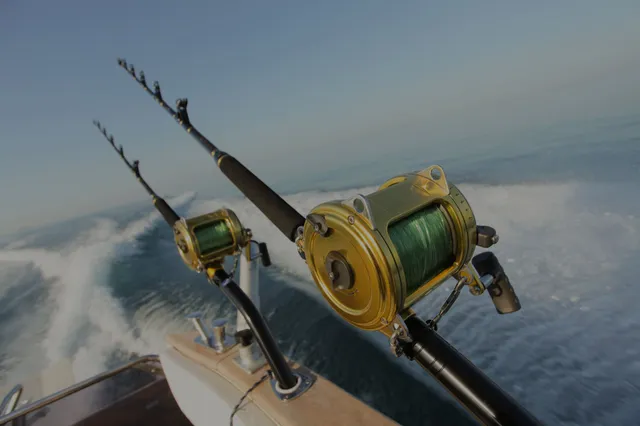
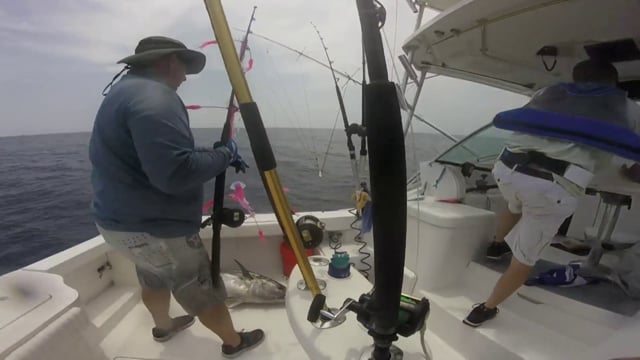
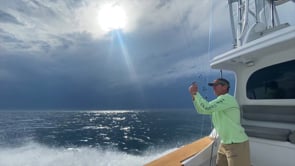
Trolling spreads mix small lures, Sea Witches, and ballyhoo chains; chunking programs anchor chum slicks when fish mark under the boat. Bigeye often demand patience—listen to the crew on how many rods they want live vs dead bait.
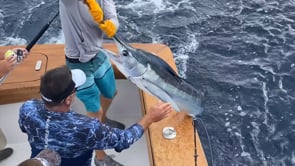
Stand-up vs chair is a crew policy call; either way, smooth drag, low rod angle early, and communication about line class keep heart rates lower than the fish’s.
Thermocline intel matters: if you see bait showering but no hookups, the eye might be riding below your spread—downriggers, weighted lines, or deeper chains enter the chat.
Table fare & handling
Bigeye belly is prized; loins take smoke beautifully. Bleed, gut promptly, and pack ice around fish, not inside body cavity unless your captain prefers that workflow for HMS inspection photos.
Regulations, HMS, and reporting
Atlantic highly migratory species—including many tunas, billfish, and sharks—sit under federal management with state coastal rules layered in. Sizes, seasons, bag categories, and commercial interaction zones change. Start at NOAA Fisheries — Atlantic HMS, then walk OCEANCITY.MD regulations verify steps for Maryland saltwater orientation before you book.