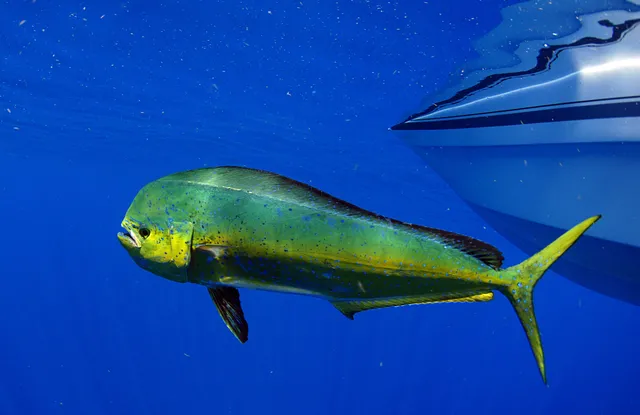
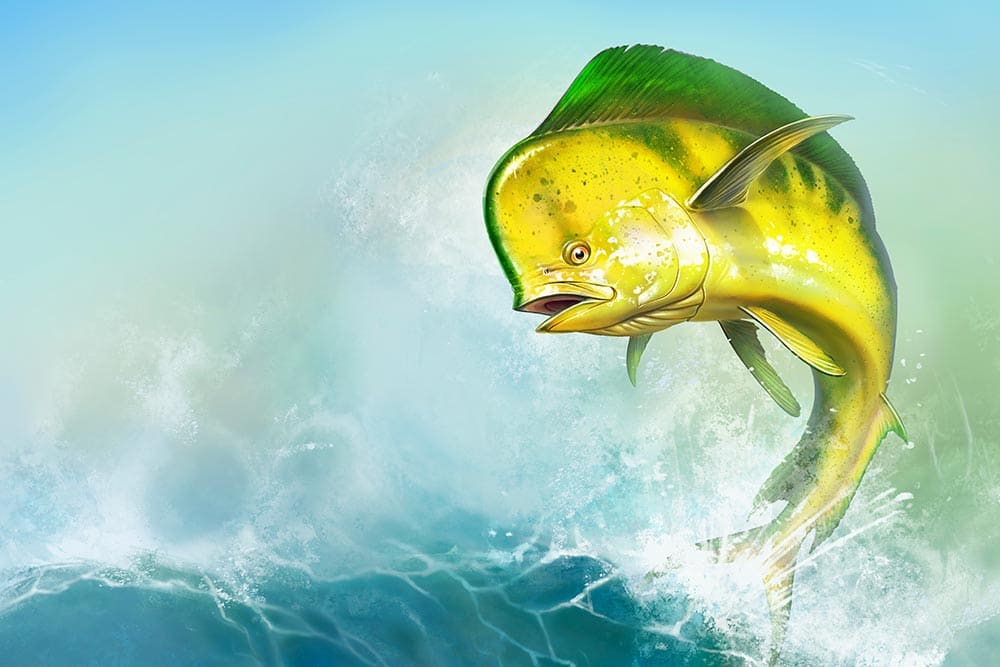
Mahi-mahi (dolphinfish)
Coryphaena hippurus. Mid-Atlantic bluewater context from Ocean City, Maryland.
Not in our directory yet? Browse the committed Charter Boat Directory listings grid (marketplace crosswalk).
Source category for imagery & original species essays: https://instigatorsportfishingcharters.com/product-category/what-we-catch/mahi-mahi-sport-fishing/ — adapted here for Ocean City, Maryland readers without Outer Banks or South Carolina trip packaging.
Why this fish matters off Ocean City
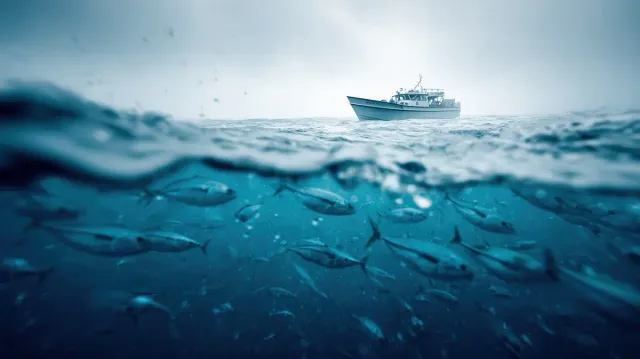
Mahi are the sunshine fish—neon bulls and speckled schoolies that materialize around weed mats, floating timber, rips, and anything that concentrates bait. They fight with aerial chaos, cooperate in packs, and make offshore days feel generous when billfish moods go flat.
Because they mature fast and taste great, recreational limits still exist under HMS frameworks—verify current recreational categories and possession rules for your trip type (private vs for-hire) before you fill every bag.
Ocean City & canyon context
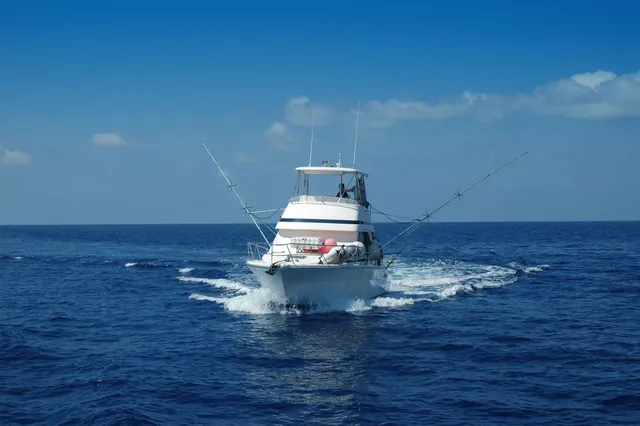
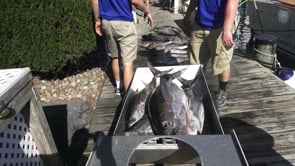
Ocean City crews often pick off mahi on the way to deeper tuna or marlin grounds—same spread, lighter rods, faster cycles. A good mate can keep junior anglers rotating on schoolies while adults prep heavy gear for the next waypoint.
Sargassum mats and color breaks move daily; SST and chlorophyll charts help, but local radio and yesterday’s dock rumors still move boats faster than satellites.
Tackle, spreads, and boat-side habits
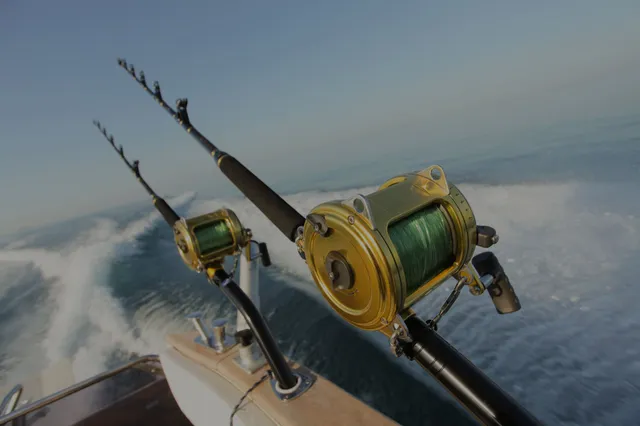
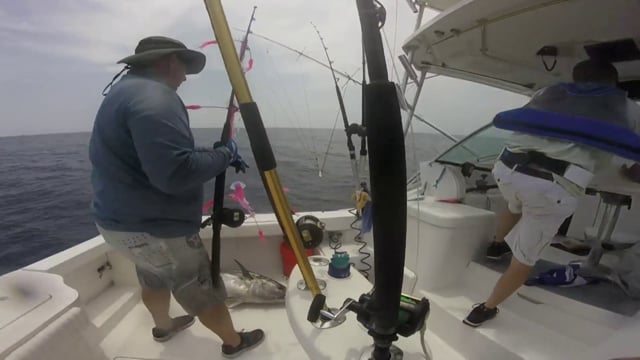
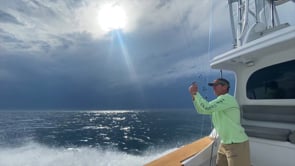
Trolling small ballyhoo, strips, and brightly colored lures at moderate speeds covers water. When a school erupts, cast hooks with spinning tackle and keep rods bending to avoid tail-wrapped chaos.
Keep a pitch bait ready when a bull follows a teaser—presentation discipline converts lookers into bites.
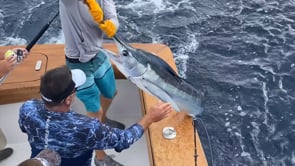
Gaff placement matters for meat quality; tail ropes help on larger bulls when the crew wants a controlled boat-side finish.
Table fare & handling
Bleed, ice, and remove dark lateral muscle for milder fillets. Smaller schoolies shine as tacos; bulls reward portioned steaks and careful skinning.
Regulations, HMS, and reporting
Atlantic highly migratory species—including many tunas, billfish, and sharks—sit under federal management with state coastal rules layered in. Sizes, seasons, bag categories, and commercial interaction zones change. Start at NOAA Fisheries — Atlantic HMS, then walk OCEANCITY.MD regulations verify steps for Maryland saltwater orientation before you book.