Pelagic sharks (mako & thresher focus)
Lamnidae / Alopiidae (representative targets). Mid-Atlantic bluewater context from Ocean City, Maryland.
Not in our directory yet? Browse the committed Charter Boat Directory listings grid (marketplace crosswalk).
Source category for imagery & original species essays: https://instigatorsportfishingcharters.com/product-category/what-we-catch/shark-fishing-charters/ — adapted here for Ocean City, Maryland readers without Outer Banks or South Carolina trip packaging.
Why this fish matters off Ocean City
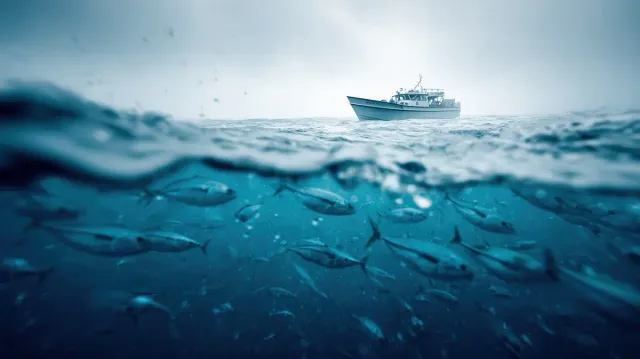
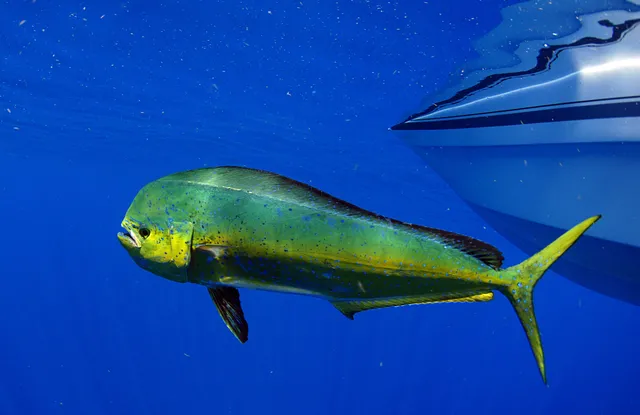
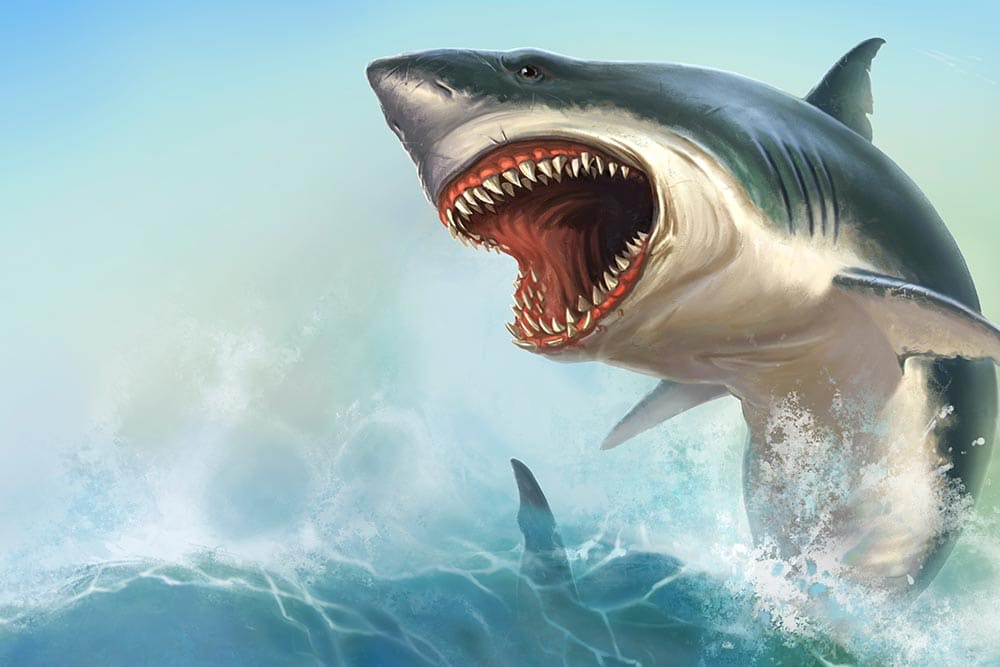
Mid-Atlantic bluewater holds a long list of shark species; recreational crews off Ocean City often emphasize makos for speed and aerials, and threshers for tail-walking theater—both with serious teeth and serious regulations. Random hookups also happen while trolling for tuna and billfish.
Shark trips are chum discipline, wire leader, and patience. They are also conservation-sensitive: know retention vs release rules, size limits, and prohibited species before you soak a slick.
Ocean City & canyon context
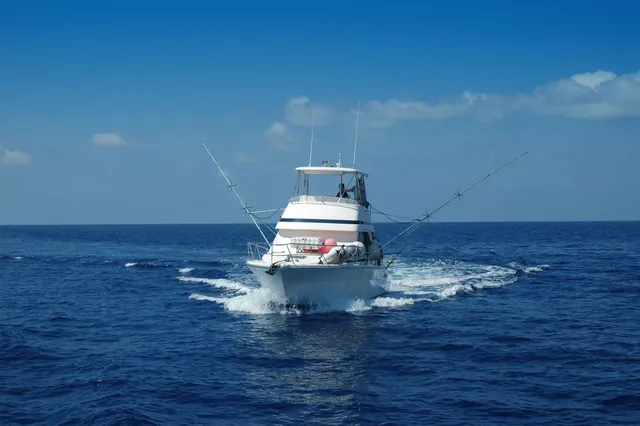
Chum sets demand stable drift, current awareness, and respectful distance from other boats’ lines. Inlet bar crossings with bloody decks invite extra washdown—plan dock time before restaurant dress codes.
Tackle, spreads, and boat-side habits
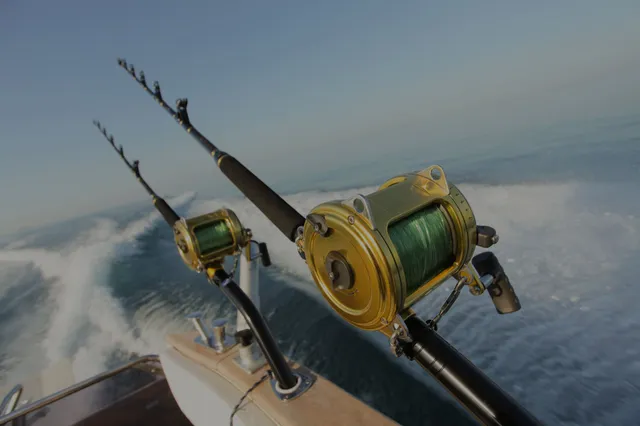
Chunk ladders, oily chum, and staggered baits at depth intervals keep scent trails honest. Wire rigs, circle hooks, and heavy gloves protect hands during leader grabs.
Makos jump—clear the rail, secure loose gear, and never stand under a green fish swinging on a tail rope.
Threshers need wide turns; treat tail-first runs as directional clues, not mistakes.
Table fare & handling
If retention is legal and intended, brain-spike and bleed immediately; shark urea spikes fast in warm weather. If release is the plan, minimize fight time and keep water flowing over gills.
Regulations, HMS, and reporting
Atlantic highly migratory species—including many tunas, billfish, and sharks—sit under federal management with state coastal rules layered in. Sizes, seasons, bag categories, and commercial interaction zones change. Start at NOAA Fisheries — Atlantic HMS, then walk OCEANCITY.MD regulations verify steps for Maryland saltwater orientation before you book.