Kids' antihistamine: read the label every time
Priya Shah on reading kids' antihistamine labels every Ocean City trip—why vacation bottles, chewables, and age bands trip up even careful parents, and how she learned to dose from the label, not memory.

I’m Priya Shah. Chicago corporate travel manager, detail maximalist, believer that clarity is kindness. I manage Ocean City lodging the way I manage work trips: ask the questions before you pay, screenshot the answers, and do not trust memory when the stakes are higher than a parking spot.
One habit I will not outsource to confidence: read the kids’ antihistamine label every single time—especially on vacation. Not once at home in March. Not “I know this bottle.” Every dose, every new box, every borrowed tablet from a cousin’s beach bag. Labels beat memory when heat, sand, and a stuffy kid rewrite everyone’s judgment.
If you are mapping the week, start with pharmacies and medical. Then come back for the dosing discipline that keeps allergy days from becoming group-chat panic.
The kids’ antihistamine scramble that taught us better
We were in a mid-rise condo off Coastal Highway—two families, four kids, one week where pollen and salt air teamed up like they had a grudge. My niece woke up sounding like she swallowed a kazoo. Classic allergy week: not sick enough for drama, miserable enough to ruin breakfast.
Someone said, “I’ve got children’s antihistamine in the bathroom kit.” Relief traveled through the kitchen fast—the kind of relief that skips steps.
I almost poured a dose from memory. I knew what we used at home. I knew the kid’s weight band from last year. I had given this medicine a dozen times.
Then I read the label on the bottle someone bought at a chain pharmacy near the outlet mall.
Different concentration than our Chicago bottle. Same brand family, different formulation. The chewable we keep at home is not the liquid on this shelf. Age bands did not match the weight chart I carry in my head. The dose that felt “obviously right” would have been wrong—not catastrophically, maybe, but wrong enough that I felt my stomach drop anyway.
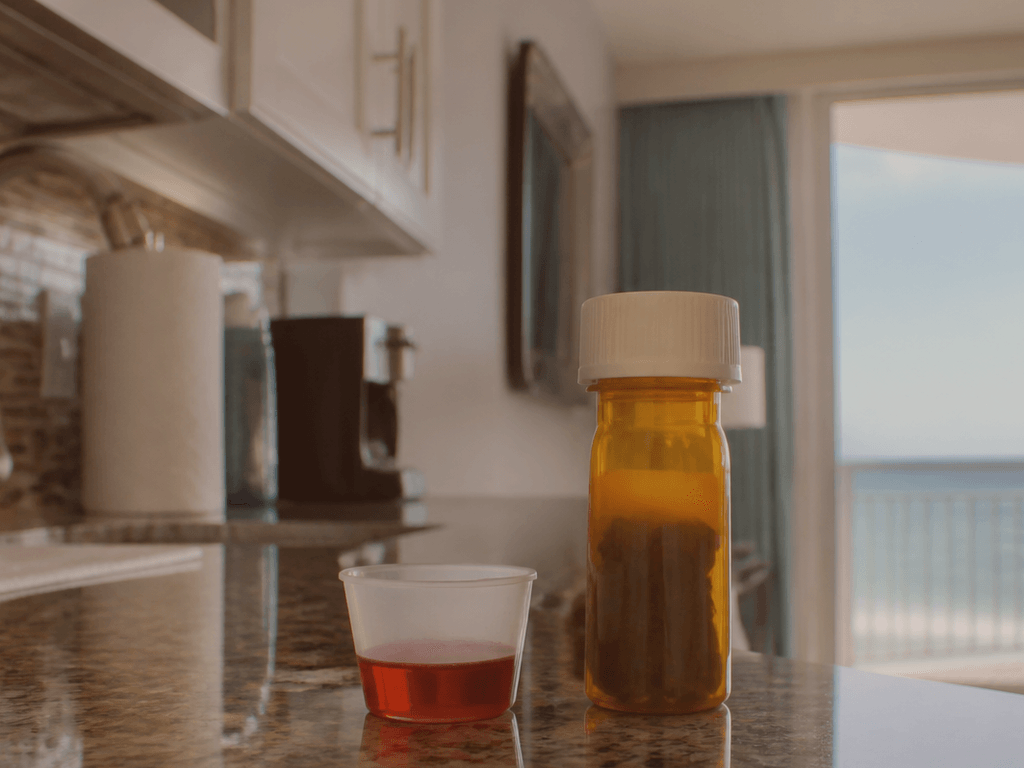
We measured from the label. Used the cup that came with the bottle, not a kitchen spoon. Wrote the time on a sticky note because four adults and two condos create dosing confusion by afternoon.
She felt better. The lesson felt better longer: vacation bottles are not interchangeable with home bottles, even when the logo matches.
What kids’ antihistamine actually solves
Antihistamines are common enough that parents treat them like sunscreen—assume the habit transfers. It does not always.
Formulation drift. Liquids, chewables, dissolving tablets, and “all-day” versions carry different active-ingredient math. A brand refresh on the shelf can change the chart on the back.
Age vs weight charts. Some labels lead with age. Some lead with weight. Vacation weeks often include cousins who share sizes but not birthdays.
Shared supplies. Multi-family condos mean three bathroom bags and heroic assumptions about “what’s in whose kit.”
Heat and dehydration. Allergies plus ocean air plus long beach days change how miserable a kid looks without changing what the label allows.
Fatigue dosing. The dose you almost give at 11 p.m. after a long Boardwalk night is the dose most likely to come from memory instead of the box.
I am not your clinician. Follow your pediatrician’s guidance, especially for young children, asthma overlap, or first-time medication. This is travel-manager hygiene: read the label every time, use the measuring device in the package, and write down the time when more than one adult might redose.
Prep kids’ antihistamine before anyone gets hangry
Before day one at the beach—while groceries are on the counter and nobody is sneezing yet—I run a label audit.
- Bring your home bottle or buy one locally on arrival. Do not mix formulations mid-week without reading both labels.
- Photograph the dosing chart. Save it to the trip album. Boring? Yes. Useful at midnight? Also yes.
- One adult owns allergy meds. Not “whoever is closest.” One name on the group text.
- Use the packaged measuring cup or syringe. Kitchen teaspoons are how confident mistakes happen.
- Log the time. Notes app, sticky note, whiteboard—anything visible to the other adults.
- Check pharmacies hours before Sunday night. Allergy weeks love a Sunday crunch.
If a kid needs something beyond antihistamines—trouble breathing, swelling, hives that spread fast—skip the label debate and use your medical map for urgent care or emergency care as appropriate.
Where kids’ antihistamine costs patience here
Pollen plus salt air. Worcester County weeks can be gorgeous and sneezy. Antihistamines become daily infrastructure, which increases dosing repetition—and repetition is when memory gets dangerous.
Condo turnover dust. Allergies spike for reasons unrelated to pollen. You may reach for meds more often than at home.
Late pharmacy runs. Know which pharmacies stay open after dinner before you need a new bottle because someone left the cap off in the beach bag.
Multi-gen trips. Grandparents mean well and dose from twenty-year-old instincts. Align on the label, not on folklore.
Shortcuts that backfire on kids’ antihistamine
- “It’s the same brand.” Formulations change. Read anyway.
- Dosing by age when the label wants weight. The chart on the box is the authority.
- Borrowing a cup from a different bottle. Measuring tools are paired to concentrations.
- Double-dosing because two adults did not communicate. Write the time. Say it out loud.
- Using adult meds “split in half” without professional guidance. Do not improvise across age lines.
If your crew already photographs labels and logs doses, you are ahead of most vacation kitchens. Keep doing the boring thing.
The non-negotiables for kids’ antihistamine
- Kids’ antihistamine with label readable—not faded beach-bag bottle
- Packaged measuring device, not kitchen spoons
- Photo of dosing chart in the trip album
- One adult owner; time logged on each dose
- Pharmacies and medical map saved before day four
Remember: read the label every time
Read the label every time. Vacation bottles, borrowed chewables, and “I know this one” confidence are how careful parents almost get it wrong.
Next step: before your next Ocean City week, pull whatever allergy med you plan to bring, photograph the dosing chart, and assign one adult owner. Then go enjoy the beach—even pollen weeks have good fries.
Also on OCEANCITY.MD: pharmacies · medical · Priya Shah · Beach Blog


