Beach Blog · Arcades & boardwalk games
Arcade prize counter strategy: teen math for tickets without the scam feeling
Tyler Brooks on ticket math, prize-counter diplomacy, and why the best arcade haul is the one you leave feeling smart about—not scammed by.

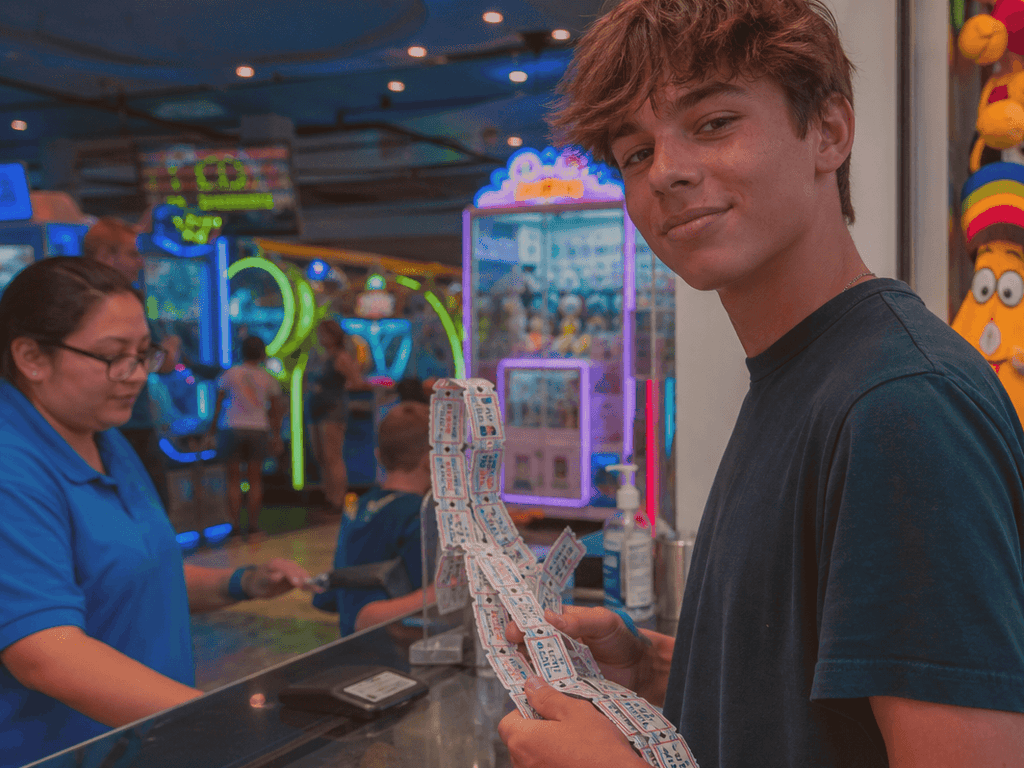
I’m Tyler Brooks. The prize counter at a Boardwalk arcade looks like a treasure vault until you do the math on a slushie keychain and realize you’ve been farming tickets like it’s a job. I’m not anti-prize. I’m anti-walking away feeling scammed by your own fun.
Ticket games are a sport in Ocean City. Strategy isn’t nerd stuff—it’s how you leave with a story instead of a resentment.
What the prize counter looks like on a real day
Friend group, junior year trip. We pooled tickets like a cooperative video game because Devin was convinced we could get the big stuffed shark if we “focused fire” on the coin pusher for an hour.
We did not get the shark.
We got close enough that the counter felt personal. Eight thousand tickets sounds legendary until you see the shark wants forty thousand and the employee has seen your face before. Devin negotiated. He always negotiates. The clerk offered a medium dolphin instead. Devin called it “a moral loss.”
Here’s what we missed: the counter isn’t a shop. It’s a mood device. Low-ticket items exist so kids leave happy. High-ticket items exist so you keep playing. Middle items exist so teens argue about dignity.
We spent the rest of the week calling everything “dolphin energy”—settling for less because we didn’t read the board first.
How we think about the prize counter
Before anyone touches a ticket game, I look at the prize wall like a menu:
Cost per joy. A five-hundred-ticket slap bracelet you’ll actually wear beats a five-thousand-ticket lamp that’ll die in the condo by Thursday.
Time vs. tickets. Some games print tickets fast and feel rigged. Some are slow and honest. We’d rather play two fun games and take a small prize than grind one machine until everyone’s angry.
Pool or split. If we pool, we decide the prize before we play. “If we hit six thousand, we get the neon headphones, not Devin’s shark fantasy.” Democracy again, but smaller.
Walk-away number. Sounds corporate. Works. “We leave at four thousand tickets with whatever that buys.” You leave feeling smart instead of one ticket short of humiliation.
I’m not saying don’t go big. I’m saying know what big costs in minutes and dollars before the lights hypnotize you.
Stage the prize counter before the day gets loud
Skee-ball: classic, readable, no fake hype.
Basketball toss: fun until someone gets competitive with a nine-year-old. Know when to walk.
Anything with a ticket waterfall video: entertainment, not investment strategy.
Coin pusher: gambling cosplay. Treat it like popcorn—tasty, not nutritious.
The arcades page lists rooms; this is inside-the-room culture.
Where the prize counter burns time here
Staff aren’t villains. They’re doing summer shift work while you debate shark ethics.
Ask what’s popular in your ticket range—sometimes there’s a restock shelf not on the main wall.
Don’t hold up the line with a TED talk. Decide fast, say thanks, leave.
If a little kid is counting tickets next to you, don’t flex. You were that kid once, unless you’re still that kid, in which case same rules apply.
The prize counter shortcuts that cost time
Scam feeling: grinding past your budget because the counter glows and Devin won’t quit.
Story feeling: winning a ridiculous tiny frog, naming it, putting it on the dashboard for the drive home, accepting that the frog is the point.
Ocean City arcade nights should end with fries and a group photo, not a silent car ride because someone thinks math betrayed them.
Making the prize counter work here
Devin still talks about “expected value” at the counter. Fine. We let him explain once, then we pick prizes anyway. Teen math for tickets isn’t about beating the house—it’s about leaving without side-eye. The frog with a hat beat the shark because we chose it on purpose.
Decide ticket strategy at the door. Read the wall before you play. Pool with rules. Leave while it’s still fun—even if fun is a frog with a hat.
Next step: open arcades, pick your walk-away number before the first swipe, and let the prize counter be a punchline, not a plot twist.
Also on OCEANCITY.MD: arcades · Beach Blog · Tyler Brooks


