Jellyfish sting first response: calm steps, then care—not chaos
Casey Nguyen on jellyfish sting first response at Ocean City beaches—calm rinse steps, when to seek care, and how a bay-side afternoon taught her to rehearse the plan before kids hit the water.

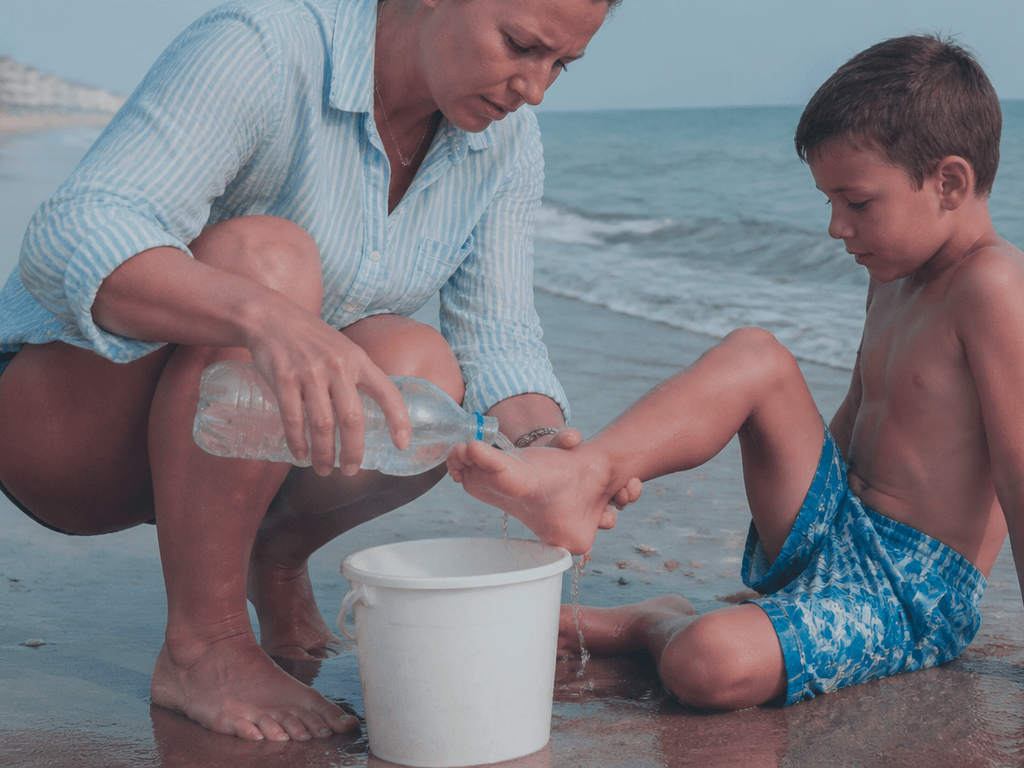
I’m Casey Nguyen. Pediatric nurse, bay-family captain, believer that calm adults are the first treatment in most beach-side scares. Jellyfish stings on Ocean City and Assateague-adjacent days are uncommon enough to surprise you and common enough that you should know the steps before a kid runs up the sand crying.
This is not marine biology class. It is first response: what to do in the first five minutes so pain does not become chaos, and when to escalate beyond home care.
Start with medical and lifeguard guidance for your beach. Come back here for the sequence we rehearse before long water days.
When Saturday crowds hit jellyfish sting first response
August afternoon. Green flag energy. My middle kid body-surfing with cousins while I tracked tide and snack half-life from the blanket line.
Then the sprint—tears, arm clutch, the word “something got me!” Every parent on the blanket performs the same micro-panic before facts arrive.
We got him up to the towel. Red lines on the forearm. Stinging, not bleeding. Another kid pointed at a translucent fragment near the waterline—jelly, not crab, not “I scraped a shell.”
My nurse brain kicked in late because he is my kid first. I almost reached for the freshwater bottle in the cooler. I almost let someone rub the spot with a sandy towel because that is what frantic hands do.
Instead we did the boring sequence:
Out of the water. Stop exposure.
Rinse with seawater or vinegar if available—not fresh water first per current common guidance for many jelly stings; follow lifeguard or local signage when posted.
Do not rub. Pat dry if needed.
Remove visible tentacles with a flat edge—credit card, shell— not fingers.
Hot water soak as tolerated for many Atlantic stings when you can get to the condo or ask lifeguard support—heat helps certain nematocysts; know your local protocol.
Pain relief per age-appropriate guidance if needed.
Watch for systemic symptoms—breathing trouble, widespread rash, confusion. Those are medical now, not towel later.
His arm hurt. He lived. Mini golf still happened after aloe and drama subsided. The win was no improvised urban myths—no urine jokes, no rubbing sand in, no freshwater splash that can worsen some stings.
Why jellyfish sting first response belongs in the plan
Jellyfish response is a pre-loaded script, not an internet search with a crying child on your lap.
- Read local beach guidance once per season. Flag systems and lifeguard instructions beat folklore.
- Pack vinegar in the beach bag if recommended for your area—or know where lifeguard stations keep rinse supplies.
- Teach kids: come to an adult, do not rub. Rubbing spreads nematocysts.
- Know your escalate triggers: trouble breathing, sting area larger than a hand quickly, facial sting, fever later.
- Save medical map for urgent care if pain persists or skin worsens.
Ocean City ocean and bay days differ in wildlife exposure. Bay mornings can feel tame until a jelly fragment meets a wading toddler. Assume any unexplained sting gets the calm sequence.
A rhythm that works for jellyfish sting first response
- Freshwater rinse first without checking guidance. Protocol varies by species; local lifeguards know current best practice.
- Rubbing with towel or sand. Increases firing of stinging cells.
- Household hacks from group chat. Stick to evidence-based steps and official sources.
- Ignoring later symptoms because the kid stopped crying. Watch the site for hours.
I am not replacing lifeguard instruction or clinician advice. I am replacing parent improvisation with a rehearsed calm.
Shore specifics for jellyfish sting first response
- Calm sequence memorized: out, rinse per guidance, no rub, remove tentacles safely
- Vinegar or lifeguard station location noted
- Escalation triggers written in notes app
- Medical map saved
- Kids taught: report stings without rubbing
Keep this rule for jellyfish sting first response
Jellyfish stings need calm steps, then care—not chaos. Decide the first-response sequence before the sprint up the sand, and let lifeguards and clinicians handle what home care cannot.
Next step: before your next long water day, read the current local jellyfish guidance, add rinse supplies if appropriate, and tell kids the one-sentence rule: find an adult, do not rub. Then go body-surf with a script loaded.
Also on OCEANCITY.MD: medical · Casey Nguyen · Beach Blog


