Beach Blog · Beach Weather — Ocean City, Maryland
Lifeguard whistle means stop: not optional commentary
Ryan Shaw on why Ocean City lifeguard whistles are commands, not suggestions—and how families teach kids to respect beach safety before the waves get loud.

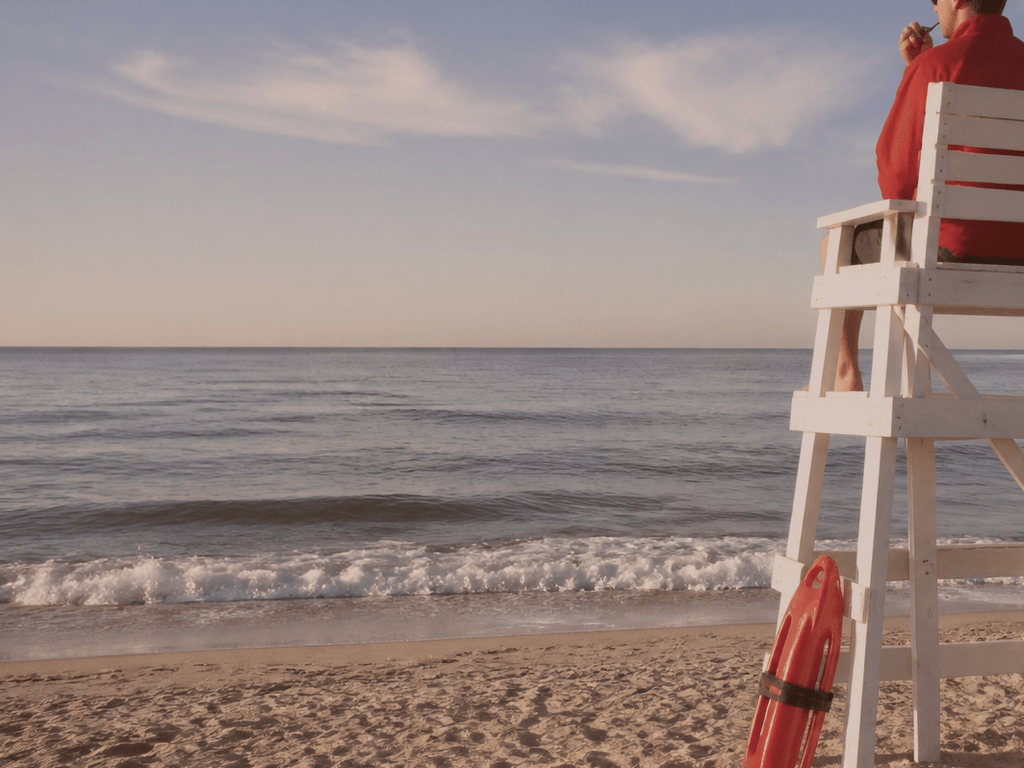
I’m Ryan Shaw. I train teenagers to read water for a living in summer programs around the Shore, and I still see grown adults treat a lifeguard whistle like background noise—something that happens to other people’s kids.
On Ocean City beaches, the whistle is not commentary. It is command grammar. One blast gets your attention. Two often means move. Patterns vary by stand and day, but the constant is this: the person in the chair sees the whole beach; you see your patch of fun.
How we keep lifeguard whistle means stop steady
Years ago, before I coached full time, I watched a father wave off a whistle because his kid “was fine.” The kid was fine—until a set pushed deeper than the wading zone he thought he owned. The guard was already moving. The father was still explaining. Nothing tragic happened. That is almost worse for learning, because everyone walks away thinking the story ended with embarrassment instead of nearly ending differently.
I tell that story without naming names because the pattern repeats every July: vacation brain, pride, and the belief that paying for a beach badge bought immunity from physics.
A rhythm that works for lifeguard whistle means stop
Before towels hit sand, we run a sixty-second family brief. Swim near the stand with the flag you understand. Ask kids to point to the lifeguard chair and explain what a whistle means: stop what you are doing, look at the guard, wait for instruction. Not debate. Not “five more minutes.”
We pair it with rip current and flag basics so the whistle is not the first safety language they hear. Green-yellow-red is not decoration. Neither is the board on the stand that says what the day allows.
Teenagers get a version with more respect and less baby talk: guards are not ruining your vibe; they are keeping you from becoming a rescue that ruins someone else’s afternoon.
Prep lifeguard whistle means stop before anyone gets hangry
The failure mode is social. Nobody wants to be the parent whose kid got whistled at. So they argue from the shoreline instead of modeling compliance. Kids learn what you do, not what you say.
If a guard redirects your group, move first, questions later. If you disagree, talk calmly after—not while your kid watches you perform authority against someone whose job is drowning prevention.
Photography, floats, sandbars, wading out to “that sandbar”—whistles cluster around the gap between how water looks and how it behaves. I have blown whistles myself in training. You learn quickly that tourists hear “inconvenience” when you mean “boundary.”
Where lifeguard whistle means stop gets expensive in Ocean City
I do not teach shark-week terror. I teach respect like we teach stop signs: predictable, not personal. After a good beach day, we debrief one moment—where the flag was, where we swam, whether we heard a whistle anywhere. Kids remember stories better than lectures.
If you are visiting from a lake culture, Atlantic surf is a different instructor. Assign one adult to watch kids even when lifeguards are present. Guards cover a zone; you cover your people.
The ocean does not negotiate because you rented closer to the pier. When the whistle sounds, stop. Teach your kids the same. It is the cheapest insurance you will buy all week—and the one you hope you never need to cash.
Don’t take these lifeguard whistle means stop shortcuts
You do not need to stare at lifeguards all day. Glance at the stand when you arrive: flag color, crowd density, whether guards are moving boards or riding lines. That thirty-second read tells you what kind of ocean day you actually have—not the kind you hoped for in the parking lot.
When guards rotate, conditions may change. Midday shift swaps sometimes coincide with tide and wind shifts. A second look after lunch costs nothing.
How we think about lifeguard whistle means stop
Hotel pools have their own rules and depth risks. Kids who learn whistle respect on the ocean transfer better to crowded pools where adults assume “shallow equals safe.” Same pause, same eye contact with the person whose job is watching water.
I coach teenagers to respect guards partly because many of them will become the guard on someone else’s beach in a few years. The job is hotter and harder than it looks from a towel.