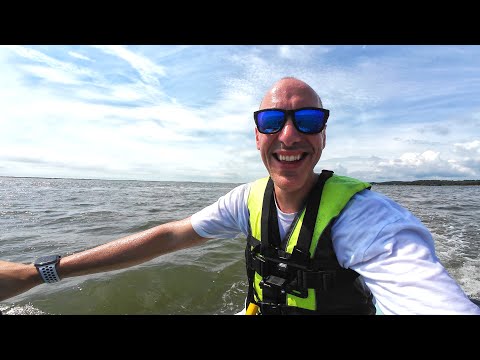
Ocean City bay kayak launch routine: begin calmly
Drew Nolan on a calm kayak launch routine for Assawoman Bay—staging PFDs, wind check, and the morning a rushed put-in flipped the boat before the paddle started.

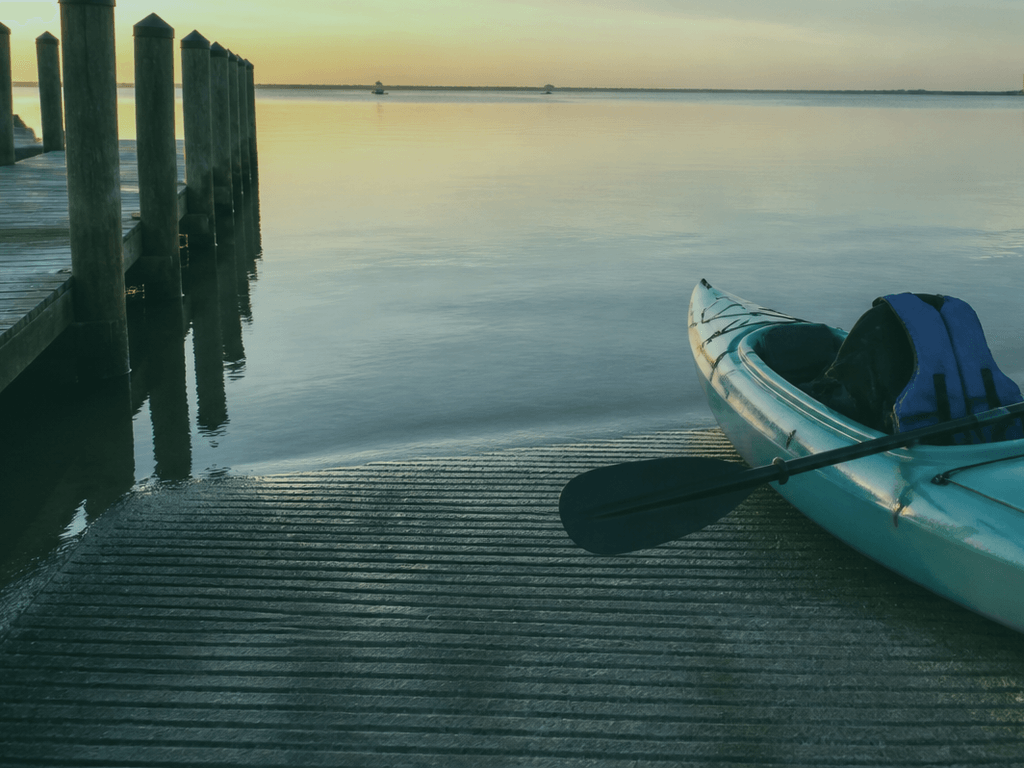
I’m Drew Nolan. Lewes, Delaware. Marine electronics tech by day, recreational boater always. I kayak the bay side the same way I leave a slip: slow at the start so the middle doesn’t turn into improvisation.
Begin calmly. Stage the PFD. Check wind off the water—not off the parking lot. Put in with a routine so small that you could do it half-asleep, because on vacation mornings you sometimes basically are.
Start with water sports for the wider hub. Come back here for the launch that flipped before we paddled ten strokes.
A messy lesson on bay kayak launch routine
Assawoman Bay, early slot, rental kayaks on the rack. We’d driven down from Lewes with coffee and second-home optimism—glass water, light traffic, photos already happening at the ramp rail.
What we did not do was run a launch routine. PFDs came out at the waterline. One person held the bow while another climbed in from a muddy edge. Somebody reached for a paddle while the boat drifted sideways. A wake from a passing skiff—small wake, nothing dramatic—caught the hull broadside and over we went before anyone had taken a real stroke.
Nobody was hurt. Nobody made the evening news. But the lesson stuck harder than the bay mud on my shorts: a rushed put-in is its own kind of capsize. The paddle never got a chance because the launch was chaos dressed as efficiency.
Search intent vs real-life bay kayak launch routine
A kayak launch routine is not ceremony. It is five minutes of staging so that:
- PFDs are on and adjusted before your feet leave stable ground
- The boat points into the light chop, not broadside to it
- Paddles and dry bags are clipped or staged so they don’t float away on the first wobble
- One person holds, one person enters, roles are named—not debated at the waterline
- You have looked at wind on the water, not just at the trees by the parking lot
I am not writing instructor certification material. Use rental briefings, official guidance, and your own skill level. Treat this as a sequencing habit from a second-home paddler who would rather be boring at the ramp than wet before the adventure starts.
Related: kayaking, canoeing, and SUP for gear and outfitter context. Boating safety for the wider water-day stack.
How we handle bay kayak launch routine now
We run the same sequence every time—owned boat or rental.
- Gear on land first. PFDs fitted. Whistle if required. Sunscreen already done.
- Wind and traffic check. Thirty seconds facing the water. Name the direction. Pick a put-in angle.
- Boat staged parallel, bow slightly into wind. Not sideways to the first wake.
- Roles named. “You hold. I get in. Then we swap.” No simultaneous improvisation.
- Low center, one motion. Sit before you worry about the perfect paddle angle.
- Push off when stable. First strokes away from the ramp, not across the traffic lane.
- Regroup ten strokes out. Everyone upright? Traffic clear? Then and only then—photos.
Ninety seconds once you’ve done it twice. Saves a capsize before stroke one.
July vs shoulder season for bay kayak launch routine
Weekend traffic. Ramps and put-ins share space with powerboats. Calm launch means you are not in the fairway longer than necessary.
Mud and slope. Bay edges are not pool decks. Stable handholds matter more than graceful entries.
Mixed experience. Cousins who kayak once a year need the same role call as the person who owns the rack.
Heat hurry. July turns “we’ll figure it out” into standing in sun at the waterline. Stage in shade first.
Return plan. Launch routine includes knowing where you’ll land—same ramp, different spot, outfitter pickup. Name it before you go.
Recovery stories we don’t want about bay kayak launch routine
- PFD on the deck, not on the body. Deck PFDs capsize with you.
- Broadside to wind at put-in. First wake becomes first swim.
- Both people stepping in at once. Somebody always misjudges the mud.
- Paddle loose during entry. Loose gear floats; ego follows.
- Skipping the traffic look because “it’s calm.” Calm does not mean empty.
I write for people who like Ocean City enough to protect the fun on purpose. If you already run a clean launch sequence, steal the “regroup ten strokes out” step and ignore the pep talk.
How season changes bay kayak launch routine
- PFDs on before the waterline
- Wind checked off the water, not the parking lot
- Roles named: hold, enter, swap
- Put-in angled into wind, not broadside
- Return landing decided before launch
How we keep bay kayak launch routine steady
A calm launch routine is a small ramp honesty check. If you staged on land and put in with roles named, you respected the bay and your dry clothes. If you climbed in from chaos, you assumed the first wake would stay polite.
Next step: before your next Ocean City paddle, run the sequence on land, name the roles, put in angled into the wind, and regroup ten strokes out. Then go enjoy the part that cannot be checklisted—glass mornings, herons, and a paddle that actually starts on the water—not in it.
Also on OCEANCITY.MD: Water sports · Kayaking · Drew Nolan · Beach Blog