Beach Blog · Plan a fishing day
Ocean City structure fishing basics: bridges, channel edges, rocks, and jetties without getting in the way
Ryan Shaw on fishing bridge pilings and inlet rocks without becoming the person every regular warns newcomers about—structure, current, and shared space on Worcester County water.
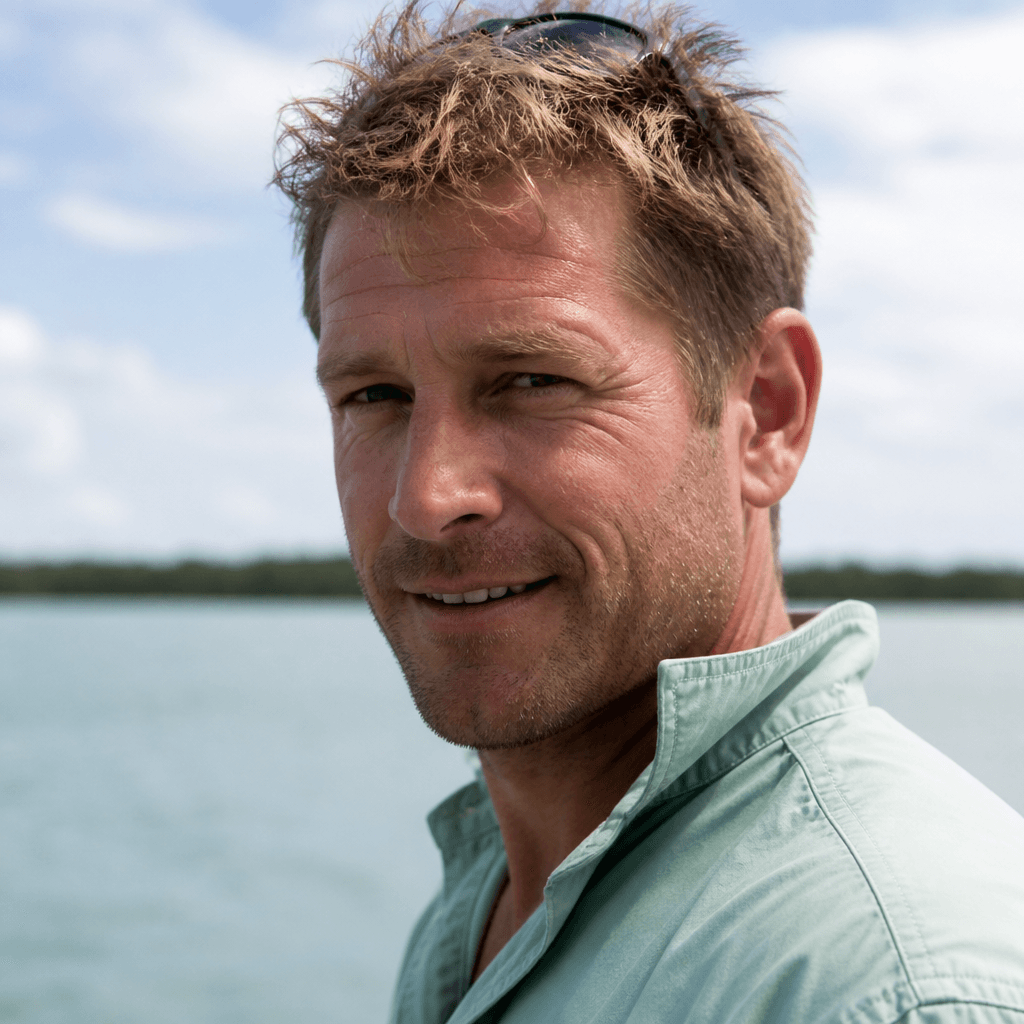
I’m Ryan Shaw. Local to Worcester County, coach by trade, structure fisherman by habit. Bridges, jetties, channel edges—the places where current stacks bait and tempers shorten when someone casts like they’re alone on a pond.
This is the inlet shoulder morning when a visitor almost hooked my hat, and why structure fishing here is less about secret spots and more about reading water without getting in the way.
The structure fishing basics scramble we learned from
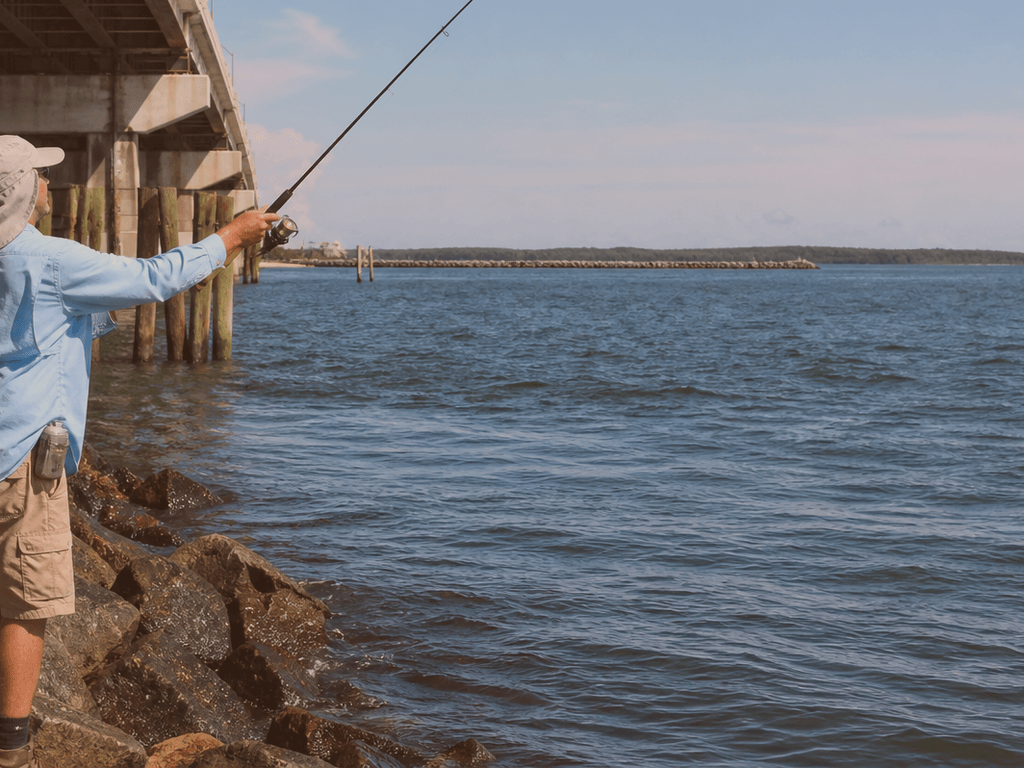
September. Inlet side. Not the tourist photo angle—the working angle where regulars stand with worn pliers and coffee that could strip paint. Tide pushing, small bait nervous against the rocks, gulls doing their rude commentary overhead.
I’d been on the same knee-high ledge since before the condos woke. Flounder-minded rig, short leader, feet placed where wet rock wouldn’t lie about traction. Structure fishing is standing where the water changes speed and letting the fish find you—if you don’t spook every other angler first.
The visitor arrived with good gear and bad geometry. New rod, correct line weight, enthusiasm dialed to eleven. He walked past three open spots and planted directly behind me—close enough to share sunscreen, which I wasn’t offering. First cast: overhead sweep aimed at the channel, hook path crossing my line on the backcast.
I ducked. Old habit. He apologized before the splash landed. Good sign. Means teachable.
The problem structure fishing basics fixes
Structure is anything that breaks current—bridge pilings, jetty rocks, channel drops, wreck edges, dock legs in the bay. Fish use it to rest and ambush. Anglers use it as a map.
In Ocean City you’re often choosing between:
Inlet jetties and ocean-side rocks. Moving water, sharper footing, stronger etiquette. Not a place for kids running loose or hero casts over strangers.
Bay bridges and causeway edges. Flounder, sheepshead, occasional surprise. Current seams matter more than distance.
Channel edges from boat or pier. Drift or anchor with a plan; don’t “figure it out” in traffic lanes.
Wreck and reef sites offshore. Charter or experienced boat territory—not a rental skiff guessing game on a windy afternoon.
Structure fishing isn’t one technique. It’s one discipline: position first, cast second, respect always.
Set up structure fishing basics while patience is high
Claim space like an adult. If someone is on a productive seam, don’t stand on their shadow. Move up-current or down-current with room for both arcs.
Cast parallel when you can. Along the rocks or pilings beats bombing the middle and crossing six lines.
Footing is part of fishing. Wet jetty rock and algae will humble you. Shoes with grip beat flip-flops every time.
Know when to leave. If the tide turns and everyone’s stacked, come back on the next window. Structure spots aren’t owned—but regulars remember who shares.
Regs before romance. Size limits, seasons, gear rules—Maryland DNR doesn’t care that the piling “looked fishy.” Our fishing regulations page is the adult supervision.
The visitor and I spent ten minutes on arc and angle. He moved two steps left. I showed him where my line tracked along the rock lip. He caught a small tautog, grinned like he’d won the lottery, and asked if he could buy me coffee. I said buy your own pliers and we’re even.
Where structure fishing basics costs patience
Inlet vs bay. Inlet structure punishes mistakes faster—current, swell, other anglers, Coast Guard traffic you don’t play chicken with.
Bridge shadows. Morning shade holds fish and anglers both. Arrive early or expect to wait.
Boat lanes. From a pier or jetty, notice where skiffs run. Your sinker doesn’t need to meet a propeller.
Season shifts. Spring sheepshead on pilings, fall flounder on edges, winter togging when rules allow—structure changes with the calendar, not the brochure.
Night structure. Different crowd, same lanes. Lights help. Courtesy helps more.
Browse fishing for species timing; use fishing planning for tide apps and footwear that isn’t embarrassing in hindsight.
Don’t take these structure fishing basics shortcuts
- Fishing the structure, ignoring the people. You’re never alone at the inlet.
- Wrong weight for current. Too light drifts into someone’s lane; too heavy snags and curses follow.
- Kids on slick rocks without a hand. Structure and pediatric ER visits correlate.
- Copying a YouTube spot without reading today’s tide. Yesterday’s seam isn’t today’s seam.
- Staying after the bite dies out of stubbornness. The rocks will be there tomorrow.
The structure fishing basics detail people skip
Structure holds fish because water moves differently there. Your job is to read that movement, fish your lane, and leave the spot usable for the next angler—not shorter on hooks and patience.
Next step: pick one structure type for one tide window, pack grip shoes and a short leader rig, and fish parallel before you fish heroic.
Also on OCEANCITY.MD: fishing · fishing planning · fishing regulations · Ryan Shaw · Beach Blog











