Beach Blog · Plan a fishing day
Ocean City inlet fishing tide window: when moving water beats good intentions
Ryan Shaw on the inlet morning that looked perfect until the tide went slack—and why tide charts belong in your pocket before you burn a vacation hour on still water.

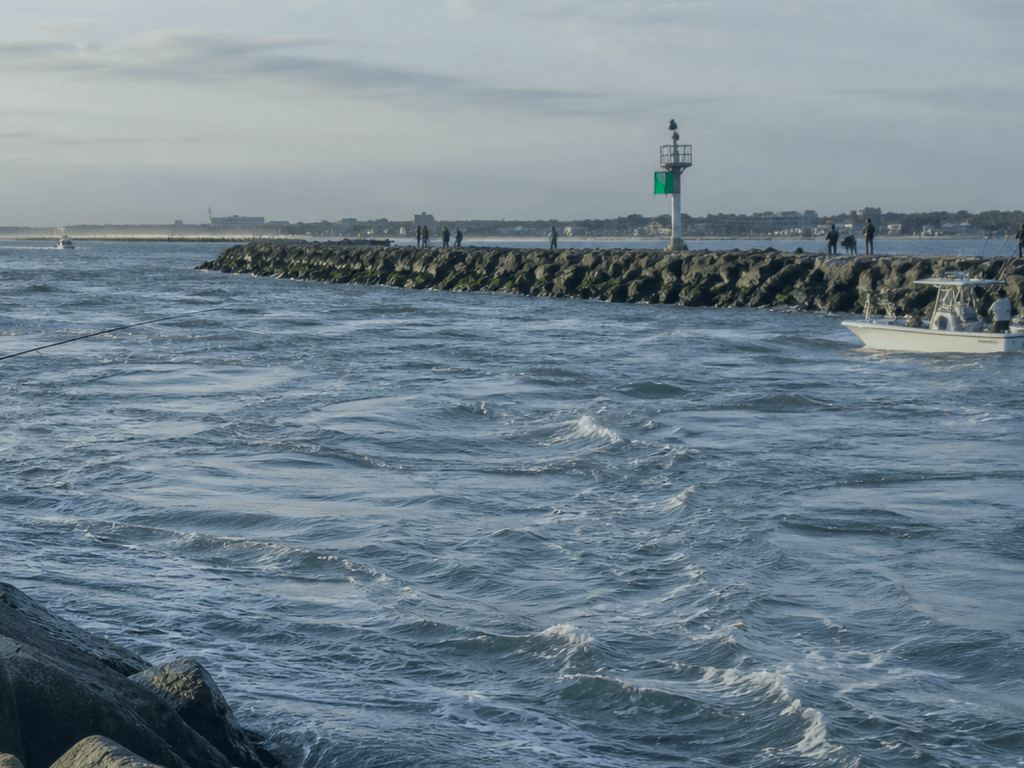
I’m Ryan Shaw. The inlet doesn’t care about your rental check-in time. It cares about water moving—pushing, pulling, stacking bait against rocks and channel edges until something with fins decides breakfast is on.
Good intentions without a tide window are how vacationers stand on perfect structure at the wrong hour and conclude “Ocean City fishing is overrated.”
When Saturday crowds hit inlet fishing tide window
June. My buddy drove from Baltimore for one inlet morning. We met at six-thirty—reasonable, respectable, already coffee-accomplished. Sky pink. Wind polite. Gear dialed.
Tide was wrong.
Not dangerously wrong. Slack wrong. That in-between hour when current naps and bait scatters like a meeting ended without agenda. We fished hard for ninety minutes—good casts, good spots, almost no feedback except one small fish that felt like charity.
At eight-thirty the tide began to breathe again. Water picked up color. Gulls got interested. A regular fifty feet down-rail hooked something that bent his rod like justice. We had to leave at nine for family beach duty.
Buddy said, “So inlet fishing is myth.” I said, “Inlet fishing on our schedule was myth. The inlet kept its appointment; we missed it.”
What visitors need from inlet fishing tide window
Moving water concentrates bait. Predators follow. Your job is to intersect movement, not admire scenery.
Incoming vs outgoing changes angle. Same rock, different story. Locals rotate with flow.
Slack is real. Plan around it—coffee, bait shop, reposition—or accept a slow hour without declaring the coast broken.
Bridge of moon and wind. Tide tables plus wind against tide equals chop that changes footing and casting. Check both.
Short windows reward punctuality. Vacation sleep-in culture fights inlet culture. Pick one morning to win, not five mornings to guess.
Use apps, paper charts, shop wall boards—whatever you actually read. Our fishing planning hub points to tools; this is why they matter.
How we run inlet fishing tide window on real weeks
Night before: pick one tide push (incoming or outgoing—shop advice helps). Set alarm for thirty minutes before movement, not after. Stage footing-safe shoes, not deck sandals on slick rock.
Morning: look at water before first cast. If it looks like a pond, adjust—move to a pier with different dynamics, shift to bay, or accept a scouting hour without emotional collapse.
Leave when family calendar says leave. A two-hour right window beats a six-hour wrong one.
How season changes inlet fishing tide window
Crowds stack on good windows. Share rail. Cast parallel. Don’t be the rainbow guy.
Safety tracks tide. Wet rocks on a pushing tide aren’t the same on a dropping tide. Footing first.
Boat traffic peaks mid-morning. Lines and props don’t need to meet.
Season changes species. Window stays important; target changes. Verify fishing regulations.
The inlet fishing tide window recovery we refuse to repeat
- Reading height only, ignoring current. Tables have stages; learn them.
- Sleeping through the push because “we’re on vacation.”
- Fishing slack because the sky is pretty. Sky is free; fish aren’t always.
- Ignoring wind. Twenty knots can erase a good tide chart.
- One bad hour becomes trip verdict. Come back on the next window.
Season notes for inlet fishing tide window
Baltimore buddy returned in fall. We built around outgoing push, not his hotel checkout. Same rocks, different water—current like a conveyor belt, taps on the first drift, nothing heroic but enough action to redeem the story. He said the inlet felt “fair” for the first time. Fair is high praise here.
Tide windows aren’t romance. They’re logistics with fish attached. Respect the window and the inlet stops feeling mythical—it starts feeling like a place you can learn.
A rhythm that works for inlet fishing tide window
Inlet fishing is an appointment with moving water. Show up when the current works, share the rail when others do, and stop blaming the fish for slack you didn’t check.
Next step: tonight, pick tomorrow’s tide push, set the alarm early, and fish the window—not the wish.
Also on OCEANCITY.MD: fishing planning · fishing · fishing regulations · Ryan Shaw · Beach Blog