Beach Blog · Tide charts & stations
Tide table for pier mornings: water height that changes the whole session
Ryan Shaw on reading tide tables before Ocean City pier fishing—rail space, bait movement, and why the same pier feels like a different river twice a day.

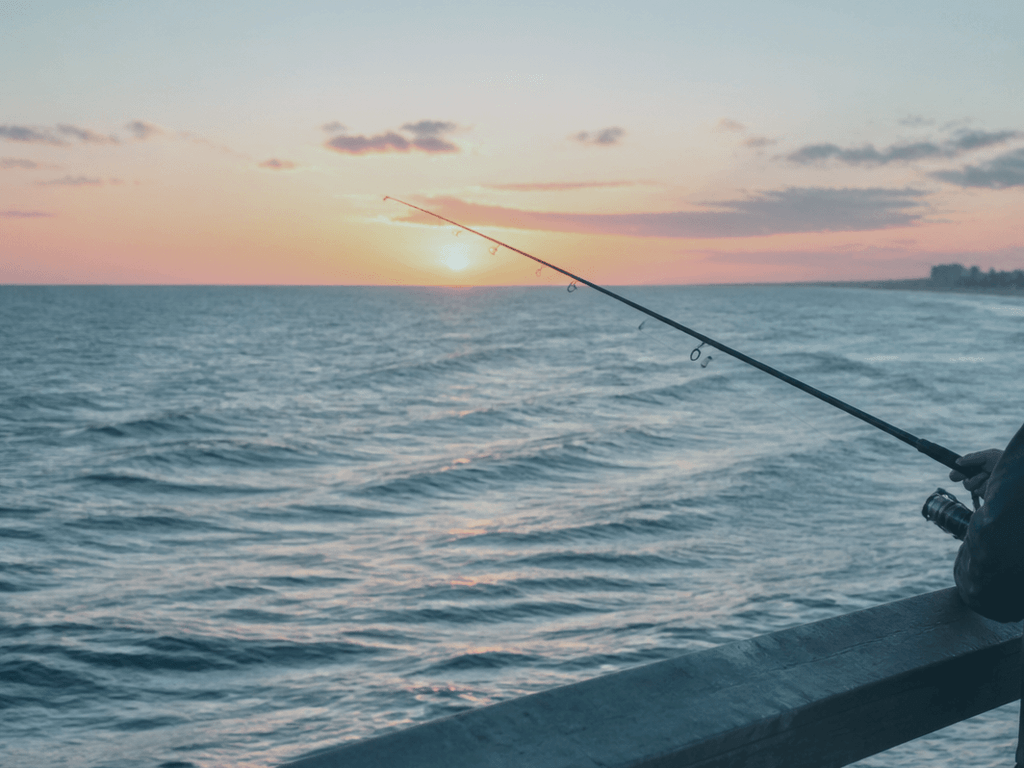
I’m Ryan Shaw. I have wasted perfectly good coffee by showing up at the Ocean City pier when the tide was wrong—not unlucky, uninformed. Pier fishing looks like a show-up sport. It runs on water height the way tee times run on bridge traffic.
The tide table is not homework. It is the difference between a rail spot with moving bait and a rail spot staring at slack water wondering why the internet lied about “easy summer flounder.”
How we think about tide table pier mornings
My best pier mornings start with the tide chart open before I open the bait cooler. Incoming flood often brings cleaner water and active fish along the pilings. Outgoing ebb can be magic or misery depending on wind against tide and how crowded the end rail is.
One July Tuesday I arrived at first light on a slack high. Lines in the water, patience in the bucket, nothing interested. Same pier, Thursday, two hours into a falling tide with a light northeast breeze—suddenly everyone except the guy sleeping in a chair had action. Same skill. Different water.
Kids do not care about hydrology until you translate: tide is the ocean’s breathing. Fish respond. So should we.
Search intent vs real-life tide table pier mornings
High and low labels are not enough. Rate matters—how fast water moves through the hour you have. Spring tides around new and full moons swing harder; neap tides flatten the mood. Combine tide with wind from our weather pages because wind against an ebb can turn a pier into a salt hose.
Water height changes clearance under the pier, where sandbars break, and whether kayakers underneath make your rigging a slalom. Look down occasionally. The pier is a bridge over a river that forgot to stay still.
I pick a two-to-three-hour window and quit while the bite still feels possible. Pier marathons in midday heat make people cranky and careless with hooks.
How we run tide table pier mornings on real weeks
Popular tides attract crowds. Rail space is communal property. One rod per person unless the pier culture says otherwise. Do not “hold” ten feet of rail with an empty chair while your family sleeps in. Share the end thoughtfully; it is where currents concentrate and egos collide.
Teach kids to step back when someone is fighting a fish. Line tangles ruin mornings faster than wrong bait. License and size rules live on the fishing hub—luck does not override law.
Shade and water are gear. Pier heat reflects off planks and metal. A hat and a bottle beat heroics.
How season changes tide table pier mornings
Night before: pick tide window, set alarm, stage bait and cooler. Morning of: confirm wind, walk on, set up once, fish the plan.
If the tide is wrong for your target species, change target or change venue—bay side, surf, breakfast. Flexibility is a local skill visitors can steal.
I still keep a paper tide table in the truck glove box like my father did. Apps update; habits endure. When water height matches your plan, the pier feels like it was built for you. When it does not, the table tells you why—not the fish.
Stage tide table pier mornings before the day gets loud
Flounder, blues, croaker—each has habits tied to tide and light. Local bait shop chatter is worth five apps if you buy something and ask one honest question. I still learn from counter talk after twenty years on the Shore.
Kid anglers need shorter stakes: one species goal, one time limit, one snack bribe. Success is participation without hook drama.
July vs shoulder season for tide table pier mornings
Holiday mornings compress rail politics. Share end spots, rotate kids through one active rod, and leave when patience thins. A pier argument ruins more mornings than a skunk bite.
Before you close the tab on tide table pier mornings
Print a simple tide graph and let kids mark “our window” with a highlighter. Ownership converts boredom into stakeholding. They will remind you when ebb starts—sometimes annoyingly, which means it worked.
Compare pier height to tide—some rails feel different at extreme lows; gear drops need attention.
Mid-week is when tide table pier mornings gets real
Wind against tide stacks chop near pilings. Dress for spray, secure loose items, and keep one hand free on stairs when returning with fish or empty pride.