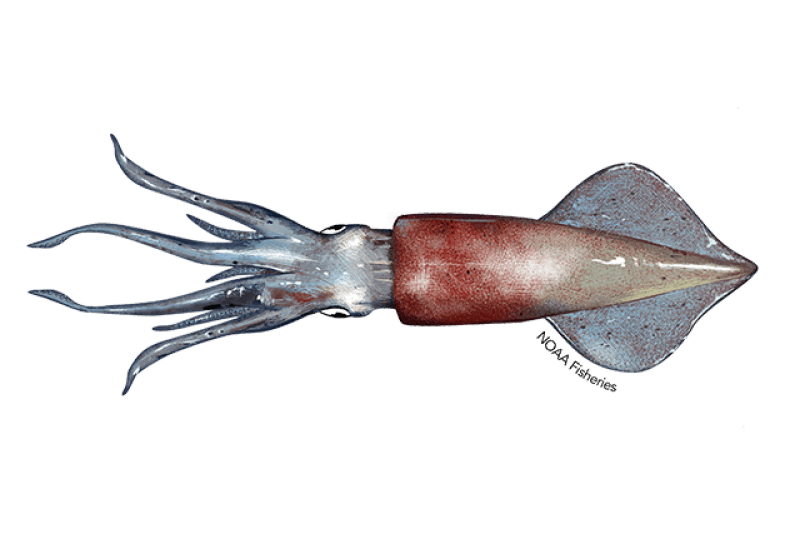
Illex illecebrosus , also known as Illex squid, Summer squid. U.S. wild-caught shortfin squid is a smart seafood choice because it is sustainably managed and responsibly harvested under U.S. regulations.
Source: Species facts, status language, and imagery adapted from the NOAA Fisheries species profile (last updated 07/01/2026). Ocean City charter and Maryland
record notes are editorial orientation for OCEANCITY.MD readers. Always confirm current seasons, sizes, and
bag limits before you fish—rules change.
Maryland’s Atlantic recreational seasons/sizes/creel summary does not publish a dedicated line for Shortfin Squid. Verify COMAR, DNR public notices, and federal rules for your exact waters before you keep fish.
Rule
Maryland / applicable detail
Maryland minimum size
Not listed — no dedicated Shortfin Squid line on the MD Atlantic recreational table
Maryland daily creel (bag)
Not listed — no MD species-specific bag for Shortfin Squid
Maryland open season
Not listed on the MD Atlantic Ocean / Coastal Bays summary table
Verify
Check DNR eRegulations, COMAR, and NOAA for your date and coordinates before you keep fish.
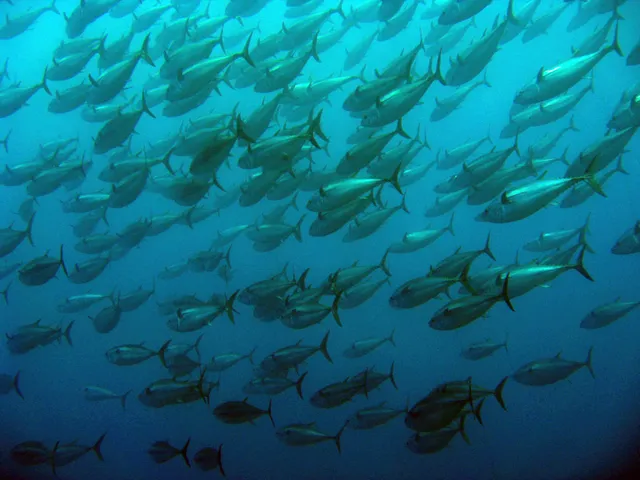
Female shortfin squid range from 7 to 12 inches in mantle length, while males are 7 to 10.6 inches in mantle length. They can regulate their body color, but are primarily orange-colored with a brown stripe that extends along the top side of the mantle. Biology Shortfin squid live for less than one year. They have a high natural mortality rate, and a long spawning season. Females can release multiple egg masses during a single spawning season, but die after they spawn. Spawning can occur year round with seasonal peaks from October to June. Shortfin squid have extremely variable birth, growth, and maturity rates. This makes them extremely sensitive to climate-driven changes. They grow about one millimeter a day. Shortfin squid are visual predators that eat crustaceans, fish, and other squid, including their own species. They are food for many fish, including bluefin tuna , silver hake , red hake , bluefish , goosefish , fourspot flounder, Atlantic cod , sea raven, spiny dogfish , and swordfish . Seabird predators include shearwaters, gannets, and fulmars. Shortfin squid undergo daily vertical migrations between cooler deep water and warmer surface water. They are nearest the seabed during the day, and higher in the water column during the night. Where They Live Range Shortfin squid inhabits the continental shelf and slope waters of the Northwest Atlantic Ocean, from Newfoundland to the central east coast of Florida. In the northwest Atlantic Ocean, shortfin squid are most often caught along the continental shelf break in depths between 150 to 275 meters. Habitat Shortfin squid live in deep and shallow waters on the continental shelf, continental slope, and open ocean depending on the season. They are found in nearshore waters of the Gulf of Maine during summer and fall. During spring, shortfin squid migrate onto the continental shelf, and during late fall, they migrate off the continental shelf. Their egg masses float in mid-water. Spawning occurs in the waters off Rhode Island and New Jersey. Fishery Management NOAA Fisheries and the Mid-Atlantic Fishery Management Council manage the shortfin squid fishery. Managed under the Atlantic Mackerel, Squid, and Butterfish Fishery Management Plan : Fishermen with a limited access permit can fish for unlimited amounts of shortfin squid while the fishery is open. All other fishermen must obtain an incidental catch permit, and have possession limits. An annual coastwide catch quota is set annually. Managers monitor annual quotas closely, as there can be large fluctuations in abundance from year to year.
Harvest Commercial fishery In 2024, commercial landings of shortfin squid totaled 7 million pounds, and were valued at $5.8 million according to the NOAA Fisheries commercial fishing landings database . Fisheries for shortfin squid reflect the species’ seasonal migrations. The majority of landings come from Rhode Island and New Jersey. Harvested for bait domestically, and exported for bait and food. Gear types, habitat impacts, and bycatch: The majority of shortfin squid is harvested June 1 through October 31 using small-mesh bottom trawls. The fishery is open year round, but the squid aren’t available in commercial quantities year round. Sandy or muddy habitat, where squid are fished, is less sensitive to the impacts of trawling. Small-mesh bottom trawls can incidentally catch marine mammals and large pelagic species, including pilot whales, common dolphin, swordfish, and a variety of sharks, ray, and tuna species. Finfish such as butterfish, hakes, longfin squid, summer flounder, herring, spiny dogfish, and Atlantic mackerel are also incidentally caught in this fishery. Measures to prevent or minimize bycatch include: Fishing must occur seaward of the 50-fathom depth line to reduce finfish and longfin inshore squid bycatch. Outreach to fishermen to educate them on actions to take in the event of a marine mammal interaction. Real-time communication to vessels regarding hotspots of marine mammal interactions. Scientific Classification Kingdom Animalia Phylum Mollusca Class Cephalopoda Order Oegopsida Family Ommastrephidae Genus Illex Species illecebrosus Last updated by NOAA Fisheries on 07/01/2026
Appearance
Shortfin squid live for less than one year. They have a high natural mortality rate, and a long spawning season. Females can release multiple egg masses during a single spawning season, but die after they spawn. Spawning can occur year round with seasonal peaks from October to June. Shortfin squid have extremely variable birth, growth, and maturity rates. This makes them extremely sensitive to climate-driven changes. They grow about one millimeter a day. Shortfin squid are visual predators that eat crustaceans, fish, and other squid, including their own species. They are food for many fish, including bluefin tuna , silver hake , red hake , bluefish , goosefish , fourspot flounder, Atlantic cod , sea raven, spiny dogfish , and swordfish . Seabird predators include shearwaters, gannets, and fulmars. Shortfin squid undergo daily vertical migrations between cooler deep water and warmer surface water. They are nearest the seabed during the day, and higher in the water column during the night. Where They Live Range Shortfin squid inhabits the continental shelf and slope waters of the Northwest Atlantic Ocean, from Newfoundland to the central east coast of Florida. In the northwest Atlantic Ocean, shortfin squid are most often caught along the continental shelf break in depths between 150 to 275 meters. Habitat Shortfin squid live in deep and shallow waters on the continental shelf, continental slope, and open ocean depending on the season. They are found in nearshore waters of the Gulf of Maine during summer and fall. During spring, shortfin squid migrate onto the continental shelf, and during late fall, they migrate off the continental shelf. Their egg masses float in mid-water. Spawning occurs in the waters off Rhode Island and New Jersey. Fishery Management NOAA Fisheries and the Mid-Atlantic Fishery Management Council manage the shortfin squid fishery. Managed under the Atlantic Mackerel, Squid, and Butterfish Fishery Management Plan : Fishermen with a limited access permit can fish for unlimited amounts of shortfin squid while the fishery is open. All other fishermen must obtain an incidental catch permit, and have possession limits. An annual coastwide catch quota is set annually. Managers monitor annual quotas closely, as there can be large fluctuations in abundance from year to year.
Harvest Commercial fishery In 2024, commercial landings of shortfin squid totaled 7 million pounds, and were valued at $5.8 million according to the NOAA Fisheries commercial fishing landings database . Fisheries for shortfin squid reflect the species’ seasonal migrations. The majority of landings come from Rhode Island and New Jersey. Harvested for bait domestically, and exported for bait and food. Gear types, habitat impacts, and bycatch: The majority of shortfin squid is harvested June 1 through October 31 using small-mesh bottom trawls. The fishery is open year round, but the squid aren’t available in commercial quantities year round. Sandy or muddy habitat, where squid are fished, is less sensitive to the impacts of trawling. Small-mesh bottom trawls can incidentally catch marine mammals and large pelagic species, including pilot whales, common dolphin, swordfish, and a variety of sharks, ray, and tuna species. Finfish such as butterfish, hakes, longfin squid, summer flounder, herring, spiny dogfish, and Atlantic mackerel are also incidentally caught in this fishery. Measures to prevent or minimize bycatch include: Fishing must occur seaward of the 50-fathom depth line to reduce finfish and longfin inshore squid bycatch. Outreach to fishermen to educate them on actions to take in the event of a marine mammal interaction. Real-time communication to vessels regarding hotspots of marine mammal interactions. Scientific Classification Kingdom Animalia Phylum Mollusca Class Cephalopoda Order Oegopsida Family Ommastrephidae Genus Illex Species illecebrosus Last updated by NOAA Fisheries on 07/01/2026
Biology
Shortfin squid inhabits the continental shelf and slope waters of the Northwest Atlantic Ocean, from Newfoundland to the central east coast of Florida. In the northwest Atlantic Ocean, shortfin squid are most often caught along the continental shelf break in depths between 150 to 275 meters. Habitat Shortfin squid live in deep and shallow waters on the continental shelf, continental slope, and open ocean depending on the season. They are found in nearshore waters of the Gulf of Maine during summer and fall. During spring, shortfin squid migrate onto the continental shelf, and during late fall, they migrate off the continental shelf. Their egg masses float in mid-water. Spawning occurs in the waters off Rhode Island and New Jersey. Fishery Management NOAA Fisheries and the Mid-Atlantic Fishery Management Council manage the shortfin squid fishery. Managed under the Atlantic Mackerel, Squid, and Butterfish Fishery Management Plan : Fishermen with a limited access permit can fish for unlimited amounts of shortfin squid while the fishery is open. All other fishermen must obtain an incidental catch permit, and have possession limits. An annual coastwide catch quota is set annually. Managers monitor annual quotas closely, as there can be large fluctuations in abundance from year to year.
Harvest Commercial fishery In 2024, commercial landings of shortfin squid totaled 7 million pounds, and were valued at $5.8 million according to the NOAA Fisheries commercial fishing landings database . Fisheries for shortfin squid reflect the species’ seasonal migrations. The majority of landings come from Rhode Island and New Jersey. Harvested for bait domestically, and exported for bait and food. Gear types, habitat impacts, and bycatch: The majority of shortfin squid is harvested June 1 through October 31 using small-mesh bottom trawls. The fishery is open year round, but the squid aren’t available in commercial quantities year round. Sandy or muddy habitat, where squid are fished, is less sensitive to the impacts of trawling. Small-mesh bottom trawls can incidentally catch marine mammals and large pelagic species, including pilot whales, common dolphin, swordfish, and a variety of sharks, ray, and tuna species. Finfish such as butterfish, hakes, longfin squid, summer flounder, herring, spiny dogfish, and Atlantic mackerel are also incidentally caught in this fishery. Measures to prevent or minimize bycatch include: Fishing must occur seaward of the 50-fathom depth line to reduce finfish and longfin inshore squid bycatch. Outreach to fishermen to educate them on actions to take in the event of a marine mammal interaction. Real-time communication to vessels regarding hotspots of marine mammal interactions. Scientific Classification Kingdom Animalia Phylum Mollusca Class Cephalopoda Order Oegopsida Family Ommastrephidae Genus Illex Species illecebrosus Last updated by NOAA Fisheries on 07/01/2026
Where they live
Range
Shortfin squid inhabits the continental shelf and slope waters of the Northwest Atlantic Ocean, from Newfoundland to the central east coast of Florida. In the northwest Atlantic Ocean, shortfin squid are most often caught along the continental shelf break in depths between 150 to 275 meters. Habitat Shortfin squid live in deep and shallow waters on the continental shelf, continental slope, and open ocean depending on the season. They are found in nearshore waters of the Gulf of Maine during summer and fall. During spring, shortfin squid migrate onto the continental shelf, and during late fall, they migrate off the continental shelf. Their egg masses float in mid-water. Spawning occurs in the waters off Rhode Island and New Jersey. Fishery Management NOAA Fisheries and the Mid-Atlantic Fishery Management Council manage the shortfin squid fishery. Managed under the Atlantic Mackerel, Squid, and Butterfish Fishery Management Plan : Fishermen with a limited access permit can fish for unlimited amounts of shortfin squid while the fishery is open. All other fishermen must obtain an incidental catch permit, and have possession limits. An annual coastwide catch quota is set annually. Managers monitor annual quotas closely, as there can be large fluctuations in abundance from year to year.
Harvest Commercial fishery In 2024, commercial landings of shortfin squid totaled 7 million pounds, and were valued at $5.8 million according to the NOAA Fisheries commercial fishing landings database . Fisheries for shortfin squid reflect the species’ seasonal migrations. The majority of landings come from Rhode Island and New Jersey. Harvested for bait domestically, and exported for bait and food. Gear types, habitat impacts, and bycatch: The majority of shortfin squid is harvested June 1 through October 31 using small-mesh bottom trawls. The fishery is open year round, but the squid aren’t available in commercial quantities year round. Sandy or muddy habitat, where squid are fished, is less sensitive to the impacts of trawling. Small-mesh bottom trawls can incidentally catch marine mammals and large pelagic species, including pilot whales, common dolphin, swordfish, and a variety of sharks, ray, and tuna species. Finfish such as butterfish, hakes, longfin squid, summer flounder, herring, spiny dogfish, and Atlantic mackerel are also incidentally caught in this fishery. Measures to prevent or minimize bycatch include: Fishing must occur seaward of the 50-fathom depth line to reduce finfish and longfin inshore squid bycatch. Outreach to fishermen to educate them on actions to take in the event of a marine mammal interaction. Real-time communication to vessels regarding hotspots of marine mammal interactions. Scientific Classification Kingdom Animalia Phylum Mollusca Class Cephalopoda Order Oegopsida Family Ommastrephidae Genus Illex Species illecebrosus Last updated by NOAA Fisheries on 07/01/2026
Habitat
NOAA Fisheries and the Mid-Atlantic Fishery Management Council manage the shortfin squid fishery. Managed under the Atlantic Mackerel, Squid, and Butterfish Fishery Management Plan : Fishermen with a limited access permit can fish for unlimited amounts of shortfin squid while the fishery is open. All other fishermen must obtain an incidental catch permit, and have possession limits. An annual coastwide catch quota is set annually. Managers monitor annual quotas closely, as there can be large fluctuations in abundance from year to year.
Harvest Commercial fishery In 2024, commercial landings of shortfin squid totaled 7 million pounds, and were valued at $5.8 million according to the NOAA Fisheries commercial fishing landings database . Fisheries for shortfin squid reflect the species’ seasonal migrations. The majority of landings come from Rhode Island and New Jersey. Harvested for bait domestically, and exported for bait and food. Gear types, habitat impacts, and bycatch: The majority of shortfin squid is harvested June 1 through October 31 using small-mesh bottom trawls. The fishery is open year round, but the squid aren’t available in commercial quantities year round. Sandy or muddy habitat, where squid are fished, is less sensitive to the impacts of trawling. Small-mesh bottom trawls can incidentally catch marine mammals and large pelagic species, including pilot whales, common dolphin, swordfish, and a variety of sharks, ray, and tuna species. Finfish such as butterfish, hakes, longfin squid, summer flounder, herring, spiny dogfish, and Atlantic mackerel are also incidentally caught in this fishery. Measures to prevent or minimize bycatch include: Fishing must occur seaward of the 50-fathom depth line to reduce finfish and longfin inshore squid bycatch. Outreach to fishermen to educate them on actions to take in the event of a marine mammal interaction. Real-time communication to vessels regarding hotspots of marine mammal interactions. Scientific Classification Kingdom Animalia Phylum Mollusca Class Cephalopoda Order Oegopsida Family Ommastrephidae Genus Illex Species illecebrosus Last updated by NOAA Fisheries on 07/01/2026
Ocean City & Mid-Atlantic context
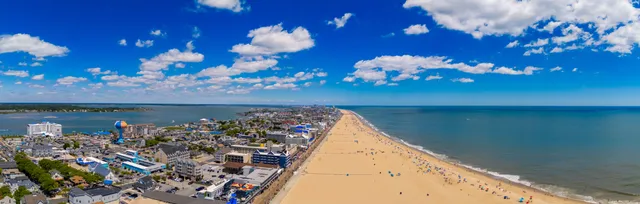
From Ocean City, Maryland, use this Shortfin Squid profile as NOAA Mid-Atlantic directory context—not a promise you will meet the species on every charter.
Always verify current Maryland and federal size, season, and bag rules for your exact date and coordinates before you keep any catch.
Source facts and imagery are adapted from the NOAA Fisheries species profile for Shortfin Squid.
What charter to book from Ocean City
Shortfin Squid is more of a bay, inshore, or specialty harvest story than a typical OC six-pack trolling day—match the trip type to the animal.
Possible / related
Bay guide — Possible overlap depending on season, water, and boat program.
Inshore charter — Possible overlap depending on season, water, and boat program.
Commercial fishery In 2024, commercial landings of shortfin squid totaled 7 million pounds, and were valued at $5.8 million according to the NOAA Fisheries commercial fishing landings database .
Fisheries for shortfin squid reflect the species’ seasonal migrations.
The majority of landings come from Rhode Island and New Jersey.
Harvested for bait domestically, and exported for bait and food.
Gear types, habitat impacts, and bycatch: The majority of shortfin squid is harvested June 1 through October 31 using small-mesh bottom trawls.
The fishery is open year round, but the squid aren’t available in commercial quantities year round.
Sandy or muddy habitat, where squid are fished, is less sensitive to the impacts of trawling.
Small-mesh bottom trawls can incidentally catch marine mammals and large pelagic species, including pilot whales, common dolphin, swordfish, and a variety of sharks, ray, and tuna species.
Harvest
See the NOAA wild-caught fishery section for landings and gear notes when published for this species.
Landings and management details matter most for the waters where Shortfin Squid is actually fished—see the
NOAA species profile
.
Seafood facts
Fact
Detail
Sustainability
U.S. wild-caught shortfin squid is a smart seafood choice because it is sustainably managed and responsibly harvested under U.S. regulations.
Availability
Summer and fall.
Source
U.S. wild-caught from Maine to North Carolina.
Taste
Mild, and subtly sweet.
Texture
Firm and meaty.
Color
Raw squid is ivory colored with orange speckling and a brown stripe that runs down the mantle. Cooked squid is opaque white.
Health
Squid are an excellent source of selenium, riboflavin, and vitamin B12.
After a real OC boat day or market stop for Shortfin Squid, Seafood after boat days covers
dock buffer and cook-your-catch pacing.