Oceans Calling weekend in Ocean City: three stages, Inlet sand, and a lodging plan that survives the set times
Owen Blake’s Oceans Calling Festival story—Inlet Beach stages, cashless vendors, remote parking, and how locals pace a late-September rock weekend in Ocean City MD.
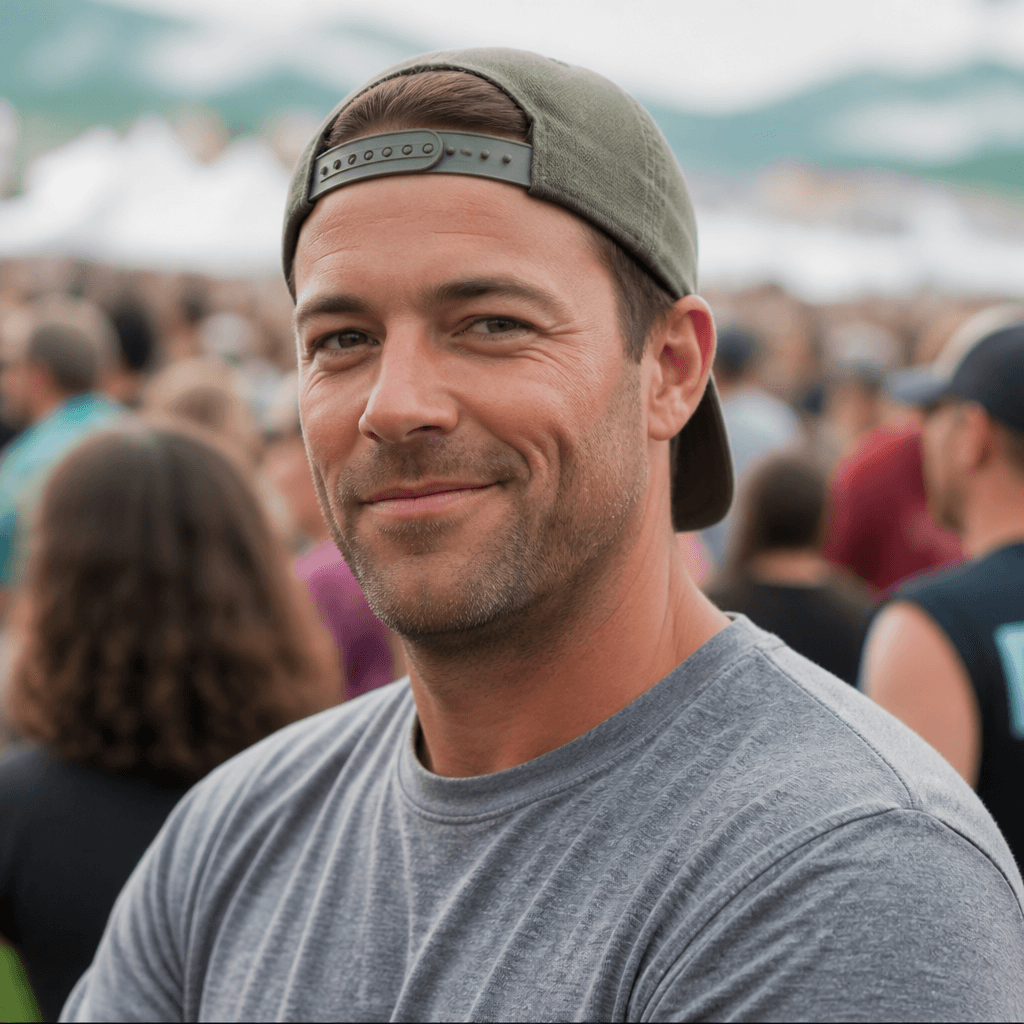
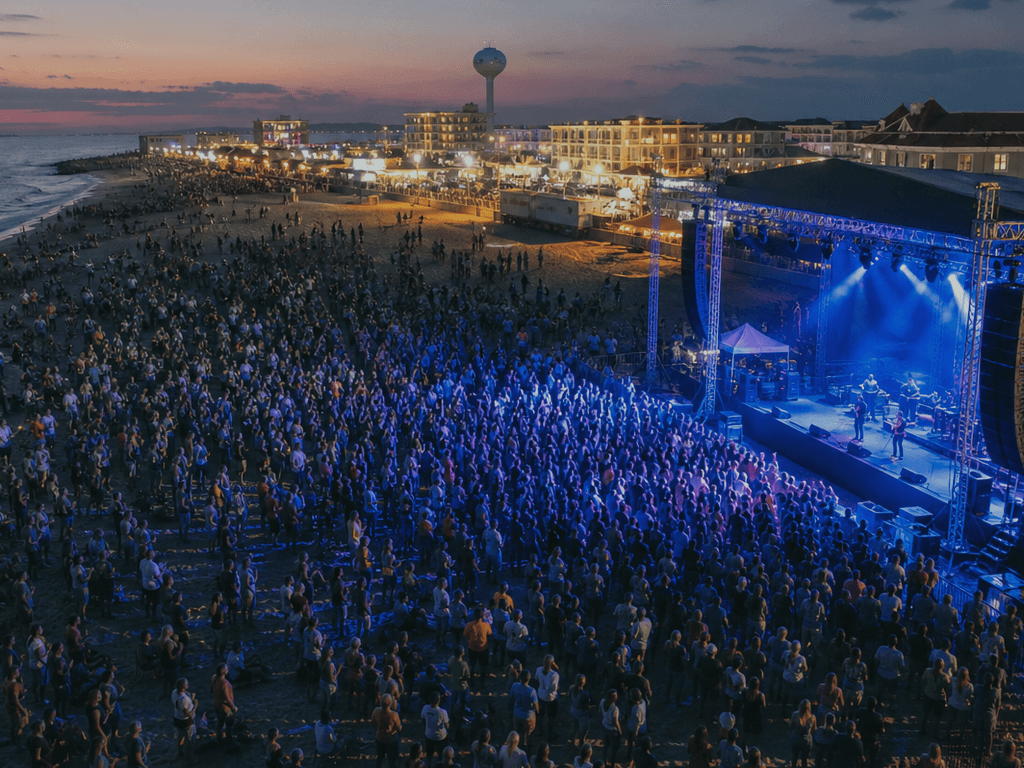
I’m Owen Blake. Last September I watched a guy try to parallel-park a lifted truck on South Atlantic like the Inlet was still a quiet Tuesday. The festival wristbands on his passengers said otherwise. Oceans Calling had already turned that sand into a three-stage city, and the town was doing what it always does on those weekends: smile, sell fries, and gently refuse your fantasy of “rolling up to the gate.”
I grew up working Ocean City event weekends—bars, gates adjacent, the kind of shifts where you learn a headliner’s encore by the sound of every kitchen ticket printer going feral at once. So when people ask me about Oceans Calling, I don’t start with the bill. I start with the moment your lodging either saves you or owns you.
How we think about oceans Calling weekend in
Oceans Calling lives on Inlet Beach and the southern Boardwalk footprint—stages with names like Sea Bright, Rockville, and Carousel in the published maps—with a long afternoon-into-night clock. You’re not buying one band. You’re buying a beach campus in partnership energy with O.A.R. and a dense multi-act grid. I send friends to our Oceans Calling Festival page, then the lineup and plan guides, and I make them swear they’ll re-check oceanscallingfestival.com the morning they go. Screenshots lie. Schedules move.
The first year I “winged it,” I watched a whole condo crew miss half an afternoon because they hunted street parking south of Division like the internet hadn’t already told them the Inlet doesn’t want their car. Remote lots—West OC Park & Ride, Convention Center, 100th Street patterns when published—exist for a reason. Same-day re-entry windows matter. Festival vendors run cashless. Boardwalk shops inside the footprint still do their own cash-or-card thing and do not care about your wristband balance. Chairs and shade structures are usually a hard no; blankets when rules allow. Bag check feels like airport security that tracked sand in on purpose. Download whatever fest app the organizers are pushing and treat the prohibited list as scripture.
What visitors need from oceans Calling weekend in
I still remember a couple who had a “nice seafood reservation” for 8:45 like the headliner would personally escort them across Coastal Highway. They made it to the hostess stand looking like they’d surfed the crowd. The table was gone. Now I tell people: eat early away from the densest gates, or do takeout between sets, or accept Boardwalk chaos as the meal. Nightlife spillover is real after—use a designated driver, not optimism.
A lot of fans stack the following weekend’s Country Calling. That’s two Inlet weekends in a row. Book lodging before you fall in love with the poster, or accept mid-island and north-end tradeoffs without complaining like the town tricked you.
How we run oceans Calling weekend in on real weeks
I go in midday without pretending I’ll “just catch the headliner.” I hit a hydration station every set change like it’s part of the show. I pick a meetup pin that isn’t “by the speakers.” If somebody has a Sunday drive home, we name a hard end time while we’re still kind.
And if you’re not going to the festival that weekend? The Inlet is still busy. Choose a north-end beach, book seafood early, and give Coastal Highway the patience you’d give a parade. Ocean City is allowed to host a concert city without owning your entire map.
Buy official tickets. Park remote. Leave room for Thrasher’s after the encore. That’s the story I trust.
I’ve also learned to love the in-between: the Boardwalk shop that still smells like sunscreen and pizza while a stage thumps two blocks away; the stranger who shares sunscreen like we’re already in the same band; the quiet minute on a blanket when the sun drops and the whole Inlet exhales before the headliner. That’s the Oceans Calling I want people to remember—not only the logistics, though the logistics are how you get to the remembering.
If your crew includes someone who hates crowds, give them an honest out: a north-end morning beach, a mid-afternoon hotel reset, a late entry for one must-see set. Forcing everyone into a twelve-hour siege creates the kind of group-chat novel nobody wants to star in. The festival will still be loud without your martyrdom.