Piping plover and nesting rope respect: the beach share agreement
Grace Okonkwo on respecting piping plover nesting areas near Ocean City—roped zones, beach sharing, and teaching kids why some sand is off limits in spring and summer.

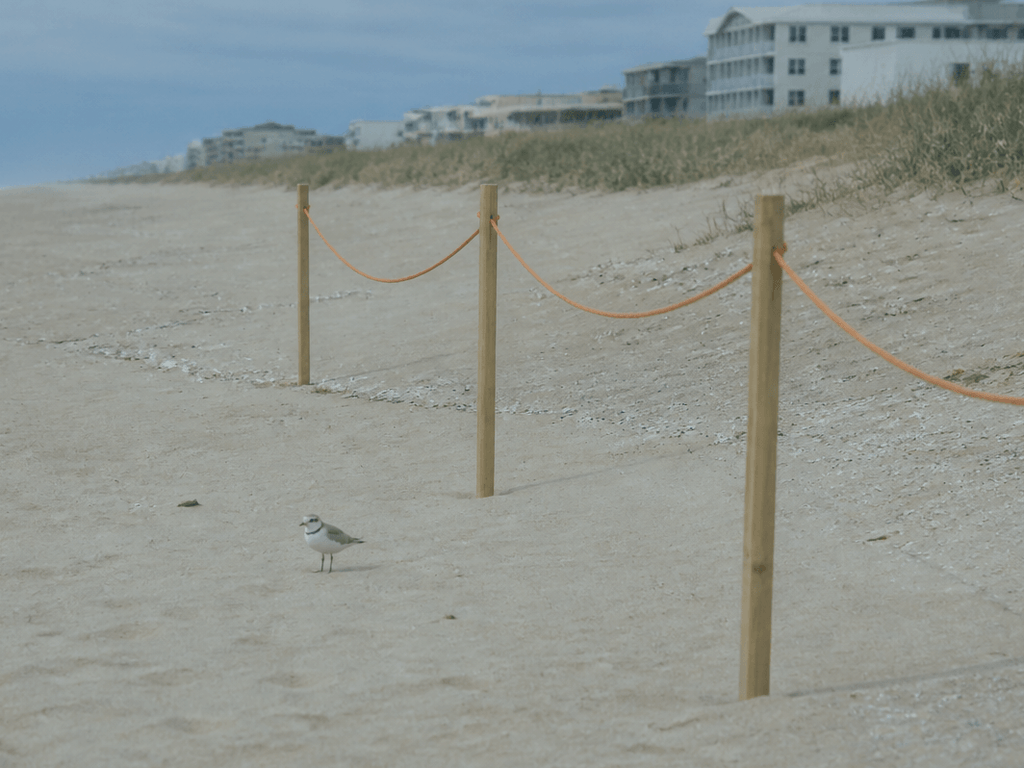
I’m Grace Okonkwo. I grew up where beaches were infinite; piping plovers taught me that some sand is borrowed on a schedule. Along Delmarva, roped nesting areas appear in spring and summer—small fenced zones that look like inconveniences until you understand what is happening inside them.
Rope respect is the beach share agreement: humans get most of the towel line; birds get the scraps they need to survive.
The scramble that taught us about piping plover nesting rope
On a May walk south of busy Ocean City stretches, I nearly walked through a roped corridor because I was watching waves instead of signs. A volunteer monitor pointed out the scrape—tiny cup in sand, eggs you could miss in ten steps. Plovers are masters of camouflage; that is their strategy and their vulnerability.
We backed out, wide loop around the perimeter, and watched an adult perform the broken-wing distraction display—nature’s Oscar-worthy “I am injured, chase me” routine. My kid wanted to help the “hurt” bird. Teaching moment: the bird is acting; we cooperate by leaving.
The plain truth about piping plover nesting rope
Ropes and signs mark critical habitat for piping plovers and allies—not arbitrary no-fun zones. Dogs off-leash, kites, drones, and footballs near nests are real threats. Foot traffic outside ropes can still disturb if people linger staring.
Rules vary by park and town—verify locally and seasonally. Fines exist because repeated disturbance collapses nesting success.
Kids understand “baby room” metaphors. Keep voice low near ropes. Do not enter for “just one photo.” Use binoculars from outside.
Set up piping plover nesting rope while patience is high
Visitors pay for sand too. Conservation asks for inches of compromise, not exile. Most beaches remain open; roped sections are targeted where birds chose to nest—often the upper beach you should not camp in anyway.
If your setup abuts a rope, move early without drama. Lifeguards and monitors are allies, not enemies of vacation.
Model compliance when teenagers call it stupid. Future you wants birds next year; so do locals who live with these closures year-round.
Ocean City details that change piping plover nesting rope
Plover protection overlaps with broader shorebird ethics—least terns, oystercatchers, skimmers depending on year and site. The habit generalizes: posted habitat is not a suggestion.
I still feel a twinge when ropes block a pretty stretch. Then I remember the broken-wing act and the eggs like speckled pebbles. Sharing is not losing; it is scheduling generosity.
When you see ropes on an Ocean City-area beach, treat them like a neighbor’s fence—cross somewhere else, keep noise down, let the small birds finish their season. The beach stays big enough for all of us if we agree on inches.
Non-negotiables for piping plover nesting rope
Many nesting areas have stewards who answer questions without scolding. Let kids talk to them—they translate conservation better than another parental lecture.
Thank monitors when you leave. They stand in heat so birds can sit in sand.
Thursday truth for piping plover nesting rope
Ropes come down; stewardship does not. Some beaches remain sensitive year-round. Read signs even when fences disappear. Habitat recovery is slower than vacation memory.
Takeaway: the beach share agreement
Fly kites away from roped zones; string drift spooks nesting birds. Drones near colonies are often illegal and always rude—leave them home.
Explain to kids why “just one kite pass” is not harmless—parents understand once they see how low nests sit in open sand.
Where piping plover nesting rope gets expensive in Ocean City
Protecting plovers protects beach access long-term—closed colonies sometimes force wider closures. Self-interest and ethics align; use both in kid talks.
Why piping plover nesting rope earns a spot
Telephoto from the perimeter beats stepping in for “just one closer” shot. Share photos with kids later; label them with the date and why ropes mattered that day. Memory plus meaning.
If you see someone cross ropes, ask politely once; if they refuse, notify a lifeguard or monitor rather than escalating into beach conflict yourself.
The working rhythm around piping plover nesting rope
Plovers share beach with terns, skimmers, and oystercatchers depending on site and season. The same quiet-walking rules apply—sudden runs toward birds for laughs teach the wrong reflex.
A good beach day for wildlife is boring in the best way: birds feed, people walk wide, dogs leashed, kites elsewhere.
About piping plover nesting rope on a real Ocean City week
Residents live with closures and stewardship work year-round. Visitors who respect ropes make allies of people who might otherwise sound frustrated in town meetings. Your vacation behavior is part of a longer conversation about access and ecology.
Rope respect is small on your part and large on theirs. That asymmetry is worth explaining to kids old enough to care about fairness.