Tidepool invertebrates: look, learn, do not poke the mystery
Grace Okonkwo on exploring tidepool life near Ocean City with kids—hermit crabs, small snails, and hands-off curiosity that keeps creatures alive.

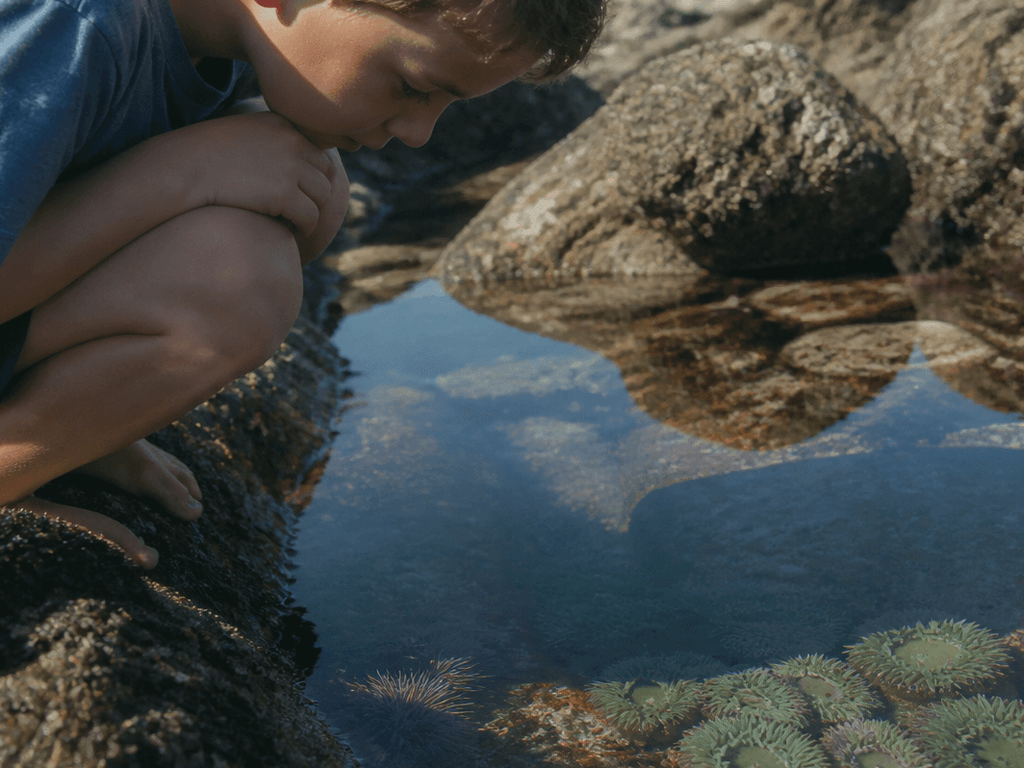
I’m Grace Okonkwo. Kids discover tidepools like they discover magic—suddenly, then loudly. Hermit crabs become pirates; mole crabs become “what IS that.” My job is to channel excitement into looking without turning every pool into a demolition site.
Look, learn, do not poke is the whole curriculum.
The tidepool invertebrates scramble we learned from
We caught a falling tide on a calm morning—small pools trapped between bars, water clear enough to see movement. My son wanted to “help” a hermit crab change shells. I explained the crab was not asking for interior design advice; it was shopping under stress.
We crouched, counted species, used a clear cup briefly as a window—not a prison—and returned everything before moving on. Thirty minutes, zero casualties, one child who still talks about feathery gills like secrets.
Why we budget time for tidepool invertebrates
Use clear containers for temporary views. Wet hands only, briefly, for species that tolerate gentle handling when local guidance allows—many times look-only is correct. Never pry animals off rocks; if it fights, stop.
Identify with a field guide or app after observing, not during capture frenzy. Names can wait; stress cannot.
Teach foot discipline: pools are roofs for small lives. One stomp erases a morning’s world.
How we keep tidepool invertebrates steady
Ocean City barrier beaches are not Pacific rock pools. Our “tidepools” are often shallow warm pockets and swash zones—still alive, still deserving care. Watch for jellies, sharp shells, and incoming sets while heads are down.
Sunscreen and hydration apply. Tide coming in ends the lesson whether you are ready or not—check tides before you lose a sandbar exit.
Local notes for tidepool invertebrates
Taking home live invertebrates is a no. Taking home empty shells gets its own ethics—some beaches discourage, some allow empties only. When unsure, photograph.
Kids remember the rule when you tie it to empathy: “It lives here; we visit.” That sentence scales to ponies, plovers, and later-life camping.
I still kneel when a kid whispers “look at this.” The mystery is the point. Poking kills the mystery and sometimes the creature.
Leave pools as you found them—flipped rocks replaced, holes filled, wonder intact.
Smart crews still fumble tidepool invertebrates
Some school groups use nitrile gloves for brief handling—fine when educators lead. Family trips can skip gloves if hands stay off. Never collect live animals for classroom “show and tell” from vacation; it sends the wrong message and may violate regulations.
Empty shells get a quick check for hermit crabs before they go in a bucket. If someone is home, put it back.
Don’t overbuild tidepool invertebrates
That evening we looked up mole crabs while eating fish tacos—food web humor for the adults, gross delight for kids. Tie pool life to meals carefully; empathy and appetite can coexist with honesty about where seafood comes from.
Bring this tidepool invertebrates habit into the week
Swash zones near guarded beaches benefit from asking guards where rip patterns run before heads-down pool hunting. Safety and curiosity share a preamble.
Low sun angles help see movement—another reason for morning pools.
The afternoon tidepool invertebrates got real
Make “everything back” a closing ritual—countdown like tidying a room. Kids like completion ceremonies.
Why you want to look, learn, do not poke the mystery
After the pool hunt, ID three species from a book or reputable app while snacks happen. Names turn “weird blobs” into citizens of the coast—mole crabs, small snails, coquina clams depending on sand and season.
Kids remember the hermit crab that “shopped” for shells more than any lecture about exoskeletons. Let the story carry the science.
Set up tidepool invertebrates while patience is high
If neighboring parents allow handling you disagree with, do not police strangers—model your rules with your kids and move on. Beach ethics spreads by example more than by sidewalk seminars.
When in doubt, look longer and touch less. The mystery survives; the creature keeps living.
Where tidepool invertebrates costs patience here
Set a phone alarm for tide turn if you are on a sandbar hunting pools. Heads-down kids do not watch water line. One adult as tide watcher is cheap insurance.
Ocean City swash zones are classrooms with moving desks. Treat them with curiosity and exit timing, and they reward you for decades. End every pool session with hands rinsed and a thank-you said out loud—cheesy, effective for kids who need closure rituals before fries on the Boardwalk.