Sandbar Shark
Carcharhinus plumbeus · Also known as: Thickskin shark, Brown shark
The sandbar shark is one of the largest shark species found in coastal waters. True to their name, sandbar sharks prefer sandy or muddy areas in temperate and tropical waters throu
This is a Nature Guide page (viewing and ID). Shark fishing seasons, tackle, and regs live on the separate Fishing species profile and shark fishing guide.
Quick facts
| Group | Shark / ray · Mid-Atlantic |
|---|---|
| Viewing lane | Bay & offshore |
| Likelihood nearby | ★★★☆☆ |
| Length | Up to 8 feet |
| Lifespan | 20 years or more |
| Region | New England/Mid-Atlantic, Southeast |
How to recognize them
- Sandbar sharks are estimated to live approximately 30 years. Both males and females reach maturity around 13 to 14 years old. After 8 to 12 months of gestation, females give birth to live young in shallow, nearshore nursery grounds. Sandbar shark pups measure around 2 feet at birth. As adults, they can measure up to 8 feet long and weigh as much as 200 pounds.
- Sandbar sharks are opportunistic feeders that eat bony fish, smaller sharks, octopuses, squid, eels, skates, rays, shrimp, and crabs.
- Where They Live Range Sandbar sharks are found in temperate and tropical waters worldwide. They are common along the eastern U.S. coast from Cape Cod to Florida. Their range also includes the Gulf of America and parts of the Caribbean.
- Habitat Sandbar sharks live along the ocean bottom in shallow coastal waters, including in bays, harbors, and estuaries. They occasionally travel offshore to depths of up to 810 feet.
- Fishery Management NOAA Fisheries manages sandbar sharks under the Consolidated Highly Migratory Species Fishery Management Plan . While retaining sandbar sharks is generally prohibited in federal waters, several commercial vessels are permitted to harvest sandbar sharks in the shark research fishery . The shark research fishery allows NOAA Fisheries to leverage the small annual quota available to sustainably harvest sandbar sharks to collect vital scientific information. Shark research fishery participants must have a NOAA Fisheries-approved observer on board, and comply with permit requirements, annual quotas, trip limits, gear restrictions, finning prohibitions, closed areas, and reporting requirements. A rebuilding plan was implemented in 2005 with the goal of rebuilding the stock by 2070.
- Sandbar sharks can only be sold to federally permitted shark dealers while the shark research fishery is open. Shark dealers are required to attend Atlantic shark identification workshops to help them better identify shark species.
- There is no recreational fishery for sandbar sharks. If a fisherman catches one unintentionally, they must release it immediately, with minimal injury, and without removing it from the water.
- Scientific Classification Kingdom Animalia Phylum Chordata Class Chondrichthyes Order Carcharhiniformes Family Carcharhinidae Genus Carcharhinus Species plumbeus Last updated by NOAA Fisheries on 06/29/2026
Biology notes
- Sandbar sharks are found in temperate and tropical waters worldwide. They are common along the eastern U.S. coast from Cape Cod to Florida. Their range also includes the Gulf of America and parts of the Caribbean.
- Habitat Sandbar sharks live along the ocean bottom in shallow coastal waters, including in bays, harbors, and estuaries. They occasionally travel offshore to depths of up to 810 feet.
- Fishery Management NOAA Fisheries manages sandbar sharks under the Consolidated Highly Migratory Species Fishery Management Plan . While retaining sandbar sharks is generally prohibited in federal waters, several commercial vessels are permitted to harvest sandbar sharks in the shark research fishery . The shark research fishery allows NOAA Fisheries to leverage the small annual quota available to sustainably harvest sandbar sharks to collect vital scientific information. Shark research fishery participants must have a NOAA Fisheries-approved observer on board, and comply with permit requirements, annual quotas, trip limits, gear restrictions, finning prohibitions, closed areas, and reporting requirements. A rebuilding plan was implemented in 2005 with the goal of rebuilding the stock by 2070.
- Sandbar sharks can only be sold to federally permitted shark dealers while the shark research fishery is open. Shark dealers are required to attend Atlantic shark identification workshops to help them better identify shark species.
- There is no recreational fishery for sandbar sharks. If a fisherman catches one unintentionally, they must release it immediately, with minimal injury, and without removing it from the water.
- Scientific Classification Kingdom Animalia Phylum Chordata Class Chondrichthyes Order Carcharhiniformes Family Carcharhinidae Genus Carcharhinus Species plumbeus Last updated by NOAA Fisheries on 06/29/2026
Habitat & range
- NOAA Fisheries manages sandbar sharks under the Consolidated Highly Migratory Species Fishery Management Plan . While retaining sandbar sharks is generally prohibited in federal waters, several commercial vessels are permitted to harvest sandbar sharks in the shark research fishery . The shark research fishery allows NOAA Fisheries to leverage the small annual quota available to sustainably harvest sandbar sharks to collect vital scientific information. Shark research fishery participants must have a NOAA Fisheries-approved observer on board, and comply with permit requirements, annual quotas, trip limits, gear restrictions, finning prohibitions, closed areas, and reporting requirements. A rebuilding plan was implemented in 2005 with the goal of rebuilding the stock by 2070.
- Sandbar sharks can only be sold to federally permitted shark dealers while the shark research fishery is open. Shark dealers are required to attend Atlantic shark identification workshops to help them better identify shark species.
- There is no recreational fishery for sandbar sharks. If a fisherman catches one unintentionally, they must release it immediately, with minimal injury, and without removing it from the water.
- Scientific Classification Kingdom Animalia Phylum Chordata Class Chondrichthyes Order Carcharhiniformes Family Carcharhinidae Genus Carcharhinus Species plumbeus Last updated by NOAA Fisheries on 06/29/2026
- Sandbar sharks are found in temperate and tropical waters worldwide. They are common along the eastern U.S. coast from Cape Cod to Florida. Their range also includes the Gulf of America and parts of the Caribbean.
- Habitat Sandbar sharks live along the ocean bottom in shallow coastal waters, including in bays, harbors, and estuaries. They occasionally travel offshore to depths of up to 810 feet.
Population status
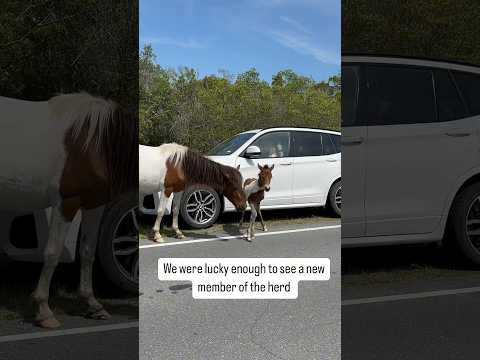
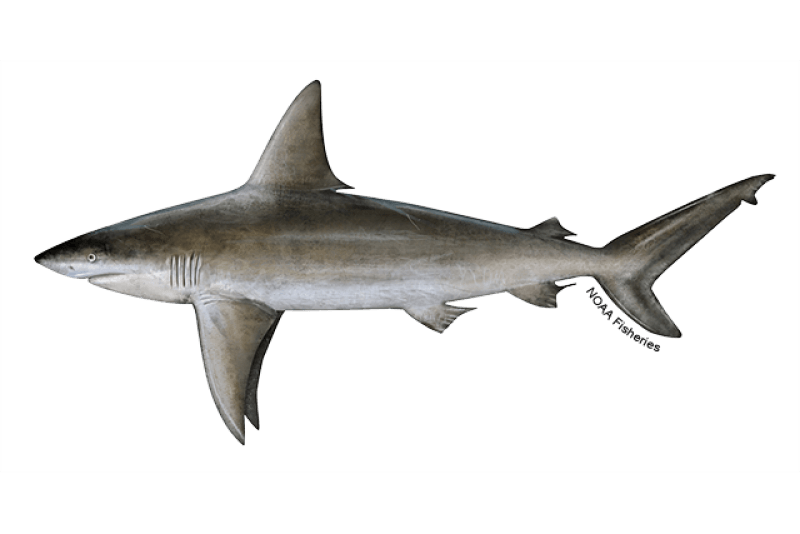
- Sandbar sharks have brownish-gray bodies and white bellies. They have a tall dorsal fin on their back and large pectoral fins on either side of their body. Their snouts are rounded and shorter than the average shark. They have a ridge of skin along their mid back known as the interdorsal ridge .
- Biology Sandbar sharks are estimated to live approximately 30 years. Both males and females reach maturity around 13 to 14 years old. After 8 to 12 months of gestation, females give birth to live young in shallow, nearshore nursery grounds. Sandbar shark pups measure around 2 feet at birth. As adults, they can measure up to 8 feet long and weigh as much as 200 pounds.
- Sandbar sharks are opportunistic feeders that eat bony fish, smaller sharks, octopuses, squid, eels, skates, rays, shrimp, and crabs.
- Where They Live Range Sandbar sharks are found in temperate and tropical waters worldwide. They are common along the eastern U.S. coast from Cape Cod to Florida. Their range also includes the Gulf of America and parts of the Caribbean.
- Habitat Sandbar sharks live along the ocean bottom in shallow coastal waters, including in bays, harbors, and estuaries. They occasionally travel offshore to depths of up to 810 feet.
- Fishery Management NOAA Fisheries manages sandbar sharks under the Consolidated Highly Migratory Species Fishery Management Plan . While retaining sandbar sharks is generally prohibited in federal waters, several commercial vessels are permitted to harvest sandbar sharks in the shark research fishery . The shark research fishery allows NOAA Fisheries to leverage the small annual quota available to sustainably harvest sandbar sharks to collect vital scientific information. Shark research fishery participants must have a NOAA Fisheries-approved observer on board, and comply with permit requirements, annual quotas, trip limits, gear restrictions, finning prohibitions, closed areas, and reporting requirements. A rebuilding plan was implemented in 2005 with the goal of rebuilding the stock by 2070.
Where to see them around Ocean City
- Nearshore days: Inlet, guarded beaches, and bay overlooks. Farther days: watch for the same species from charter rails when water clarity and bait line up.
- Dawn and dusk often show more surface activity; midday heat can push fish deeper even when they are still in the area.
- Pair a beach walk with a short Inlet stop—two vantage points beat one crowded pier rail.
- Sandbar Shark sightings are usually brief—watch for a fin, wing, or dark shape rather than lingering surface shows.
When to look
- Expect the richest shore viewing in summer; spring and fall migrations can still light up the Inlet and beaches.
- After storms, wait for water to clear—murky days hide even common species from the beach.
- Likelihood stars on this page reflect how often Maryland visitors can reasonably hope to encounter the species nearby—not fishing success rates.
Viewing tips & etiquette
- Use binoculars or a long lens; do not enter the water to corner fish, rays, or sharks for photos.
- Respect beach nesting closures, stay off dunes, and keep dogs leashed where required.
- If you find a stranded or injured animal, contact official wildlife responders—do not attempt rescue yourself.
- For harvest rules or shark fishing trips, use the Fishing profile for Sandbar Shark or the shark fishing guide.
Sources
- NOAA Fisheries species profile (biology reference)
- OCEANCITY.MD Fishing species profile