Overview
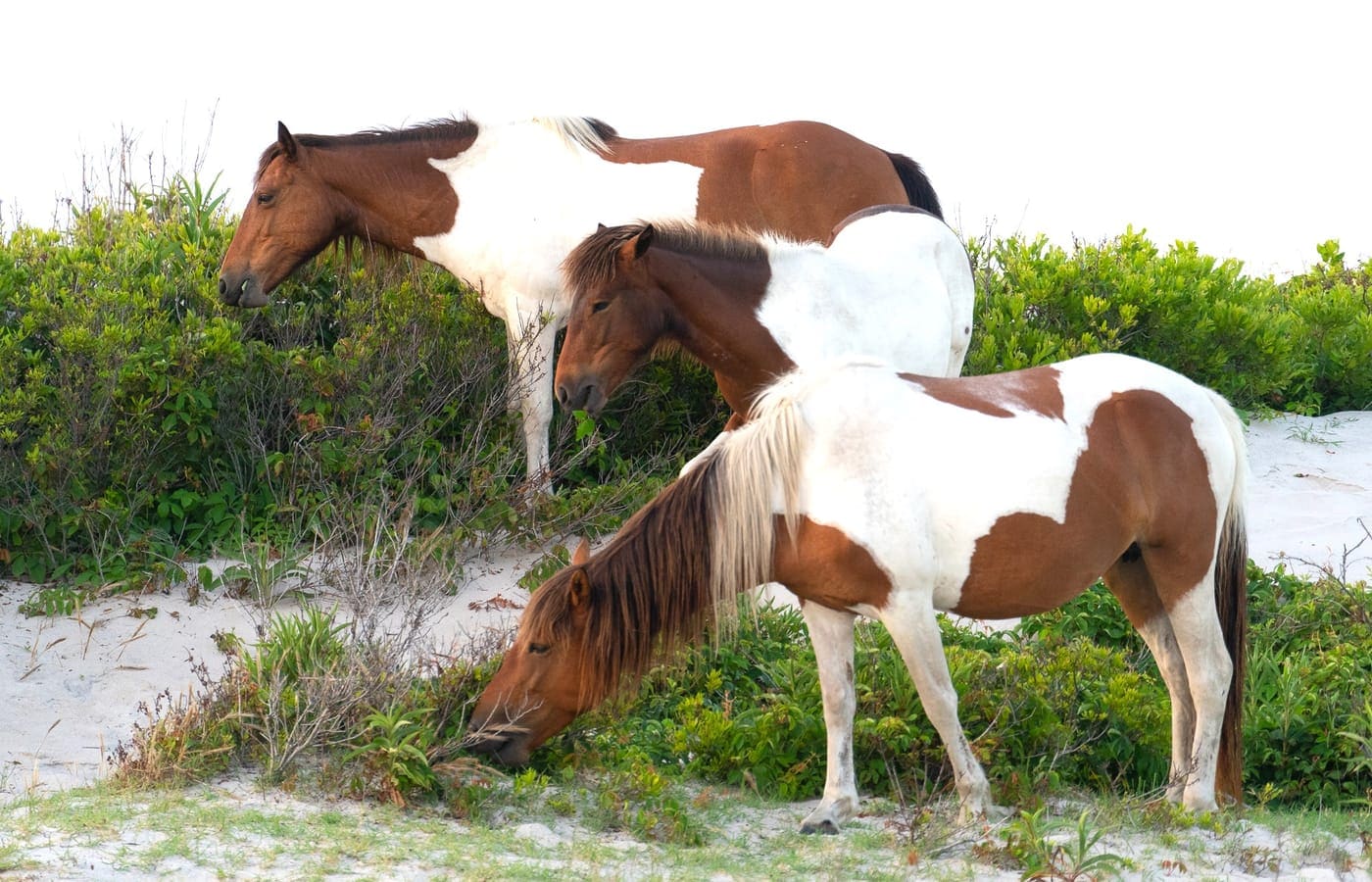
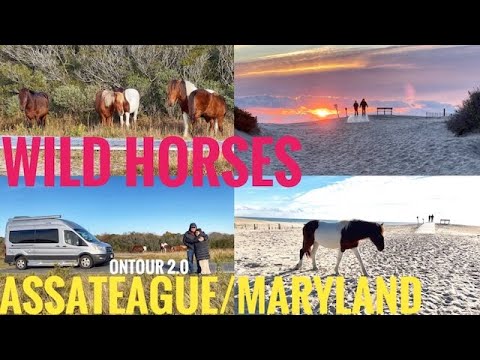
Assateague’s horses are feral, not truly wild: descendants of domestic animals that reverted to a free-roaming state. Local folklore ties them to a shipwreck; the more plausible history is livestock brought to barrier islands in the late 1600s to avoid fencing laws and taxation.
Two main herds are separated by a fence at the Maryland/Virginia state line. NPS manages the Maryland herd. The Virginia (“Chincoteague”) herd is owned by the Chincoteague Volunteer Fire Company and grazes the refuge under a special use permit that limits herd size to protect other resources.
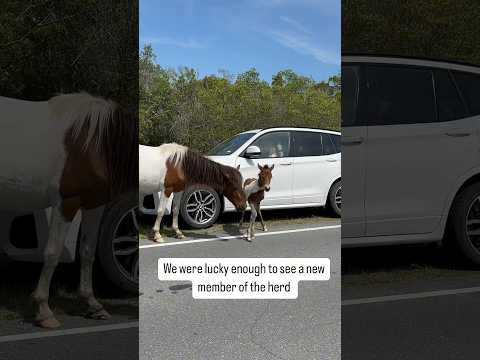
Bands of roughly two to twelve animals occupy home ranges. Approaching, harassing, calling, or feeding any wildlife—including horses—is illegal. Horses injure visitors every year when people get too close or try to give them food or water.
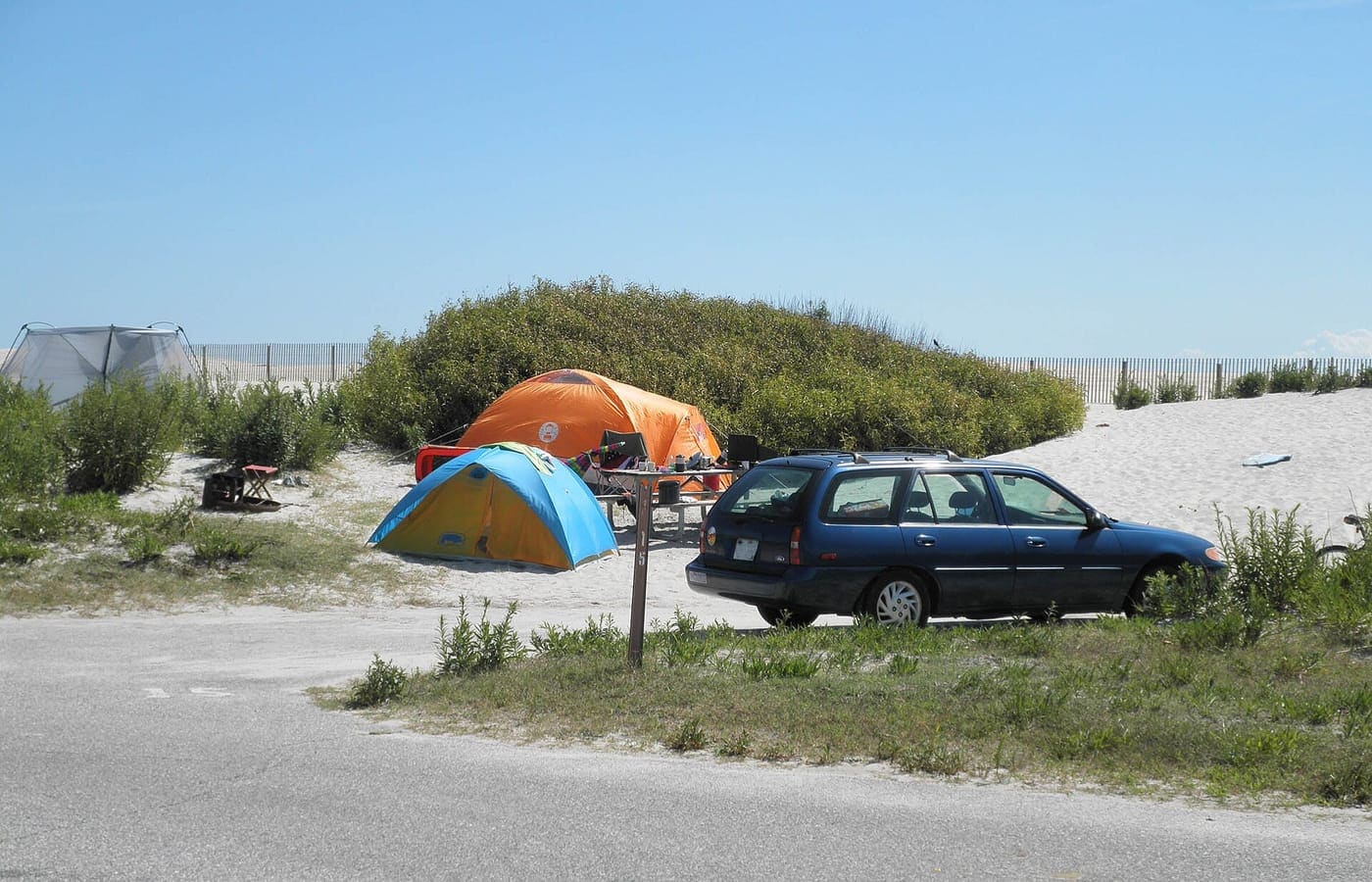
For photos, use zoom or a telephoto lens from a safe distance. Dawn and dusk are peak wildlife times and often the best light. Pull fully off the road; do not stop in the travel lane, and do not enter campground roads unless you are a registered camper.